
Şêşims (Şêx Şems, Melek Şemsedîn) is regarded by the Ezidis as the angel or lord of the sun. A fast of its own with a festival is dedicated to him in winter. Unlike the festival of Êzîd, it is not counted the same way everywhere: sometimes it is a festival of its own at the winter solstice, sometimes a week after the festival of Êzîd, sometimes the first of three fasting Fridays in December.
The date for the current year is in the calendar.
Who Şêşims is
- According to Lalişa Nûranî, Şêşims is the lord of the sun (xudanê rojê) and is called the "angel of the sun"; a Qewl line says that Şêşims is the light of God (p. 51).
- According to Şêx Mak’sîm, Melek Şemsedîn is one of the seven upper angels; he protects the sun and the holy spring Kaniya Sipî in Lalîş (p. 14).
- Hesenê Şêx Kelaşê calls Şems "our lord". The sun, he says, is venerated not as fire but as the giver of food and life; with Şems are connected hymns of praise, Şêx lineages, oaths, sacrifices and fasting (pp. 3–4).
More on Şêşims: The seven angels. On the sun as a symbol: The sun (Şems).
The festival according to Şêx Mak’sîm
Şêx Mak’sîm connects the festival with the solar year. He relies on the Qewlê Meha ("Qewl of the months"): the twelve months belong to Melek Şemsedîn, and God made December (Kanûn) the basis of all twelve months (pp. 197–199). The winter solstice falls in December. Therefore, according to him, the Ezidis celebrate the Eyd Melek Şemsedîn on the Friday closest to the winter solstice; before it there are three days of fasting, Tuesday to Thursday (pp. 199–200). This festival, he says, is bound to the course of the sun, whatever calendar applies (p. 187).
The connection of the Qewlê Meha, the solar calendar and the twelve angels of Şemsedîn is his interpretation.
Other information
| Source | Community | Information |
|---|---|---|
| Şêx Mak’sîm (2017) | Caucasus/diaspora | Friday near the winter solstice, three days of fasting before it (p. 200) |
| School textbook grade 5, Armenia (T’amoyan) | Armenia | E’yda Şêşims ("E’yda dur’ê") one week after the festival of Êzîd; fast day on Thursday, festival on Friday (p-006) |
| Tagay/Ortaç (2016) | Ezidis from Turkey | in December three weeks of fasting; the first Friday is dedicated to Şêşims, the second to the Xudan, the third to Êzî (pp. 87–88) |
| Lescot (1938) | Şengal and Syria | Îda Roja, the "festival of the sun", on 1 December with three days of fasting; after it the festival of Sultan Êzî (pp. 70–71) |
Common to all the information is: the fast for the sun falls in December, near the festival of Êzîd, and ends on a feast day. Whether it counts as a festival of its own or as part of the Êzîd fasting period differs from community to community. See also Rojiyên Êzîd and Eyda Êzîd.
The sanctuary of Şêşims in Lalîş
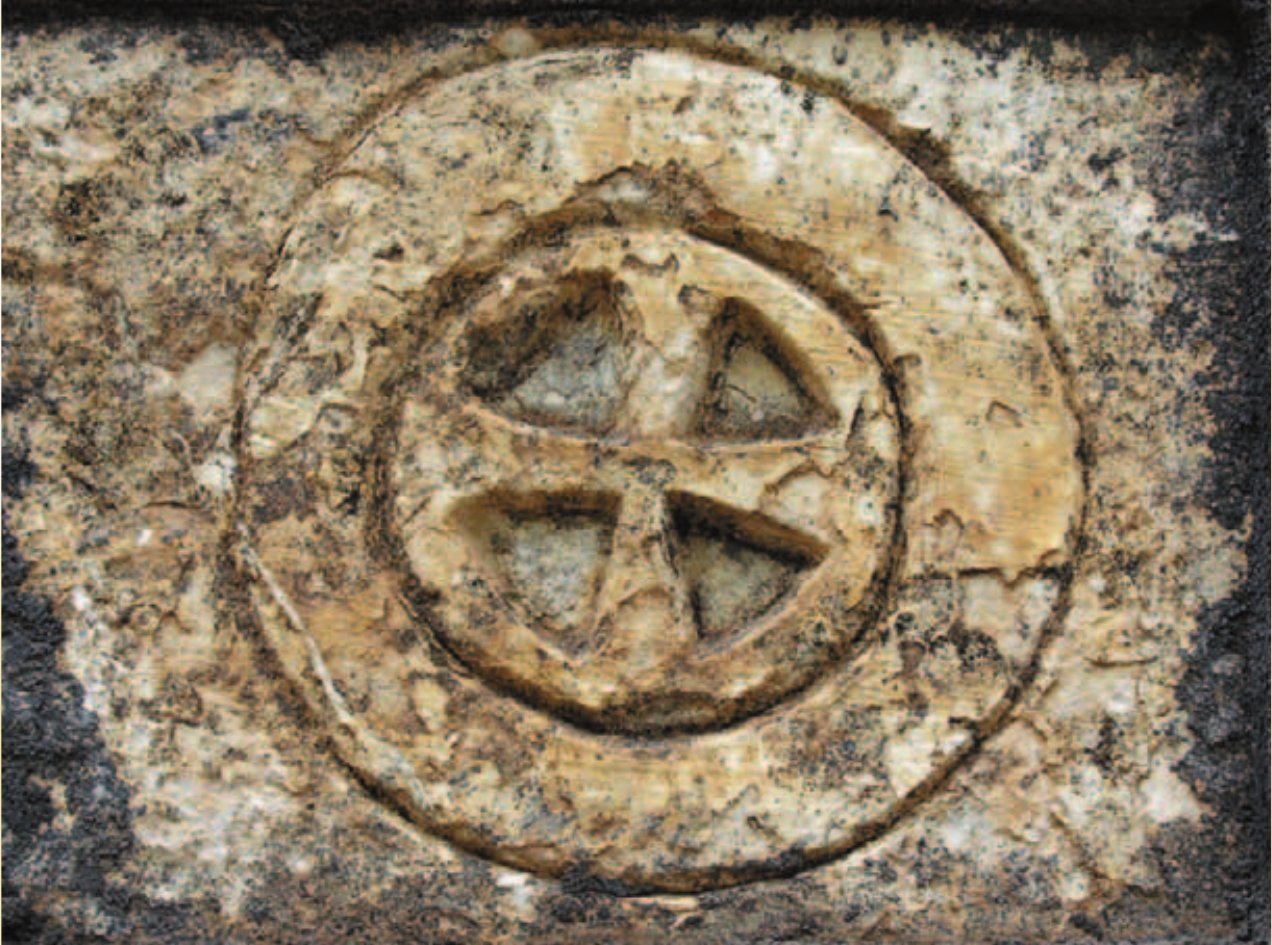
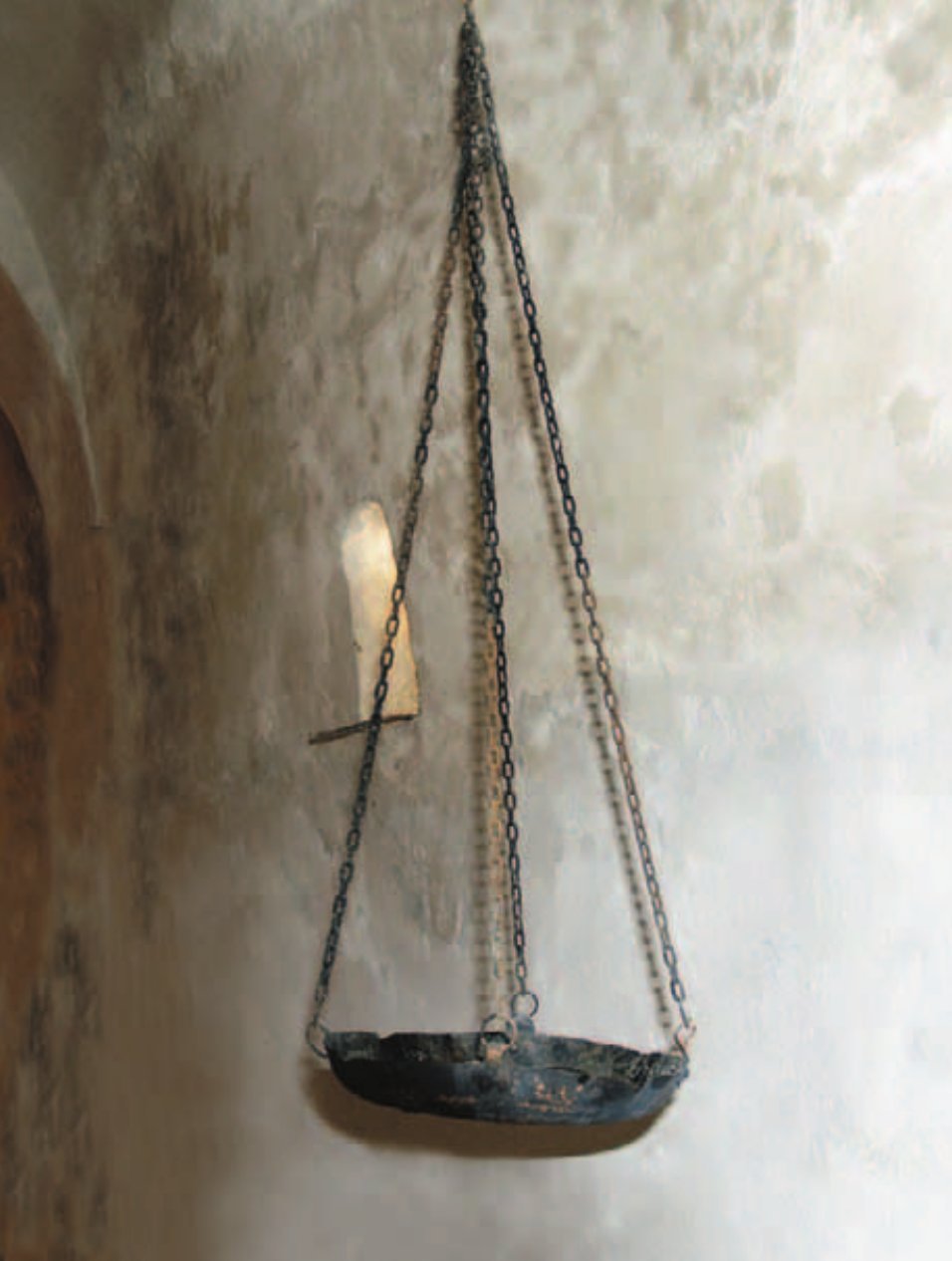
In Lalîş Şêşims has a dome of his own with a sarcophagus, a hanging lamp and a sun sign on the wall (Lalişa Nûranî, pp. 120–125). At his dome the bull is sacrificed during the Festival of the Assembly, and the Sema is danced there by day (pp. 26, 30).
Sources
- Şêx Mak’sîm (Maksim Ezdi): Grundpfeiler der Religion ScherfeDin, 2017 (on EZDIKI.COM in the Religion section and in the library), p. pp. 14, 197–200
- S. A. Grigoriev, L. V. Ivasko, D. V. Pirbari (P’îr Dîma): Lalişa Nûranî / Святой Лалыш / Holy Lalish. Yekaterinburg: Basko 2008, p. pp. 26, 30, 51, 120–125
- Һ'әсәне Шех К'әләше (Hesenê Şêx Kelaşê, Hesen Hesenyan): Р'е-р'ьзма мьләте Эзди ангори qьраре дин (Rê-rizma mileta Êzdî angorî qirarê dîn). Şamîran 1995 (scan and new text edition in the EZDIKI.COM library), p. pp. 3–4
- Roger Lescot: Enquête sur les Yezidis de Syrie et du Djebel Sindjār (Study of the Ezidis of Syria and of the Şengal mountains). Beirut 1938, p. pp. 70–71
- Şefik Tagay, Serhat Ortaç: Die Eziden und das Ezidentum. Geschichte und Gegenwart einer vom Untergang bedrohten Religion. Hamburg (Landeszentrale für politische Bildung) 2016, p. pp. 87–88
- E’zîzê E’mer, H’esenê Şêx-Me’mûdê: E’debyet û zimanê êzdîkî, grade 5. Yerevan: Spîka 2013, p. p-006
Found a mistake?
Is something wrong – a fact, a spelling, a source, an image? Let us know: we check every report and correct the article.
Other spellings: Rojiyen Sesims · Rojiyen Scheschims · Rojiyen Sheshims · Eyda Sesims · Eyda Scheschims · Eyda Sheshims · Eyda dure · Eyd Melek Semsedin · Eyd Melek Schemsedin · Eyd Melek Shemsedin · Ida Roja · Sex Sems · Sheikh Sems · Scheich Sems · Sex Schems · Sheikh · Scheich · Shex · Lalish · Lalisch