
Şêx Adî – in Êzdîkî usually Şîxadî or Şêxadî – is the central holy figure of the Ezidi tradition. In his time, in the 12th century, the community was most profoundly transformed (Omarkhali 2023, p. 23). His tomb in Lalîş is the most important place of pilgrimage of the Ezidis (p. 21). In the hymns he is far more than a human being: a superhuman being who existed even before the world. How his historical figure and his religious significance fit together is seen in different ways.
What research says about his life
According to Arabic sources and research, his name was Adī ibn Musāfir. He was born between 1073 and 1078 in the village of Bayt Far in the Bekaa valley near Baalbek (today Lebanon), studied in Baghdad – according to Omarkhali together with Abd al-Qādir al-Ǧīlānī –, went to the Hakkari mountains and died in 1162 in Lalîş (Omarkhali 2023, p. 21; Kreyenbroek/Rashow 2005, pp. 3–4; Omarkhali 2005, pp. 45–48). He remained unmarried and childless (Kreyenbroek/Rashow 2005, p. 4). His followers were called Adawī – in Êzdîkî Edewî (Omarkhali 2023, p. 21; Pirbari 2016, p-246).
According to Pirbari, he lived ascetically, farmed and wore clothing he had knitted himself; in a dream he was called to Lalîş (Pirbari 2016, p-031). Arabic authors describe him as charismatic and report miracles (p-031, p-038–039). An Ezidi hymn line says: Şêx Adî came from Şam (Syria) and worked in Lalîş (Omarkhali 2005, p. 46).
The history of Şêx Adî and his successors is presented in detail in the section People & Culture: Şêx Adî (history), The Adawiya after Şêx Adî.
Şêx Adî in the faith
In the hymns Şêx Adî is the Şêx of mystical truth. His attributes date from the time before Islam; his light created the seven heavens and the bottom of the sea; he "has the crown from the first to the last" (Kreyenbroek/Rashow 2005, pp. 32–33, 37). He is one of the four "friends" of the time of creation (pp. 32–33). The time of Şêx Adî is regarded as a new manifestation of the time of creation (p. 19).
Pirbari calls him qutbê zeman, the "axis of the ages" – the highest spiritual master of his time (Pirbari 2016, p-251). One hymn connects him with God and Tawûsî Melek: the three are one (Kreyenbroek/Rashow 2005, p. 392; Pirbari 2016, p-052).
Many hymns praise his miraculous power (keramet) (Omarkhali 2023, pp. 84, 481). According to the Qewlê Keniya Mara, he brought almost all the Qewl (p. 475). But no text names him himself as the poet (Kreyenbroek/Rashow 2005, pp. 49–50). Today some Ezidis call him a prophet (Omarkhali 2023, p. 59).
At the end of many hymns stands the formula: "God and Şêx Adî are perfect" (Kreyenbroek/Rashow 2005, p. 188).
Legends
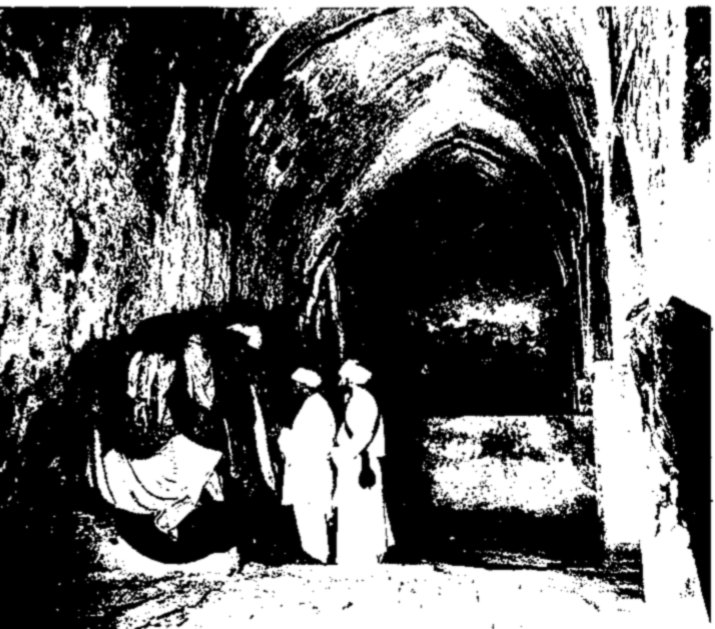
- The Zemzem spring: Şêx Adî struck the spring Zemzem out of the rock in Lalîş with his staff. He widened the grotto by making hostile Şêx rub themselves against it; pilgrims still rub their backs against the grotto wall today (Kreyenbroek/Rashow 2005, p. 33, n. 41; p. 178).
- The sultan Zengî: The ruler of Mosul marched against Şêx Adî with a large army and sent him poisoned gifts. Şêx Adî turned the poison into oil and honey; his slight kitchen servant devoured the whole army (Kreyenbroek/Rashow 2005, pp. 112–126; Pirbari 2016, p-109–112).
- The way to Lalîş: Pirbari tells of his miraculous birth and of his way to Lalîş with signs of recognition (Pirbari 2016, p-031–036).
- The head of the Seven: According to Hesenê Şêx Kelaşê, the seven holy men recognized Şîxadî as their head through a sign in a cake (Hesenyan 1995, pp. 35–37).
- Return: According to Omarkhali, the Qewlê Xan Qubad originally dealt with the rebirth of Şêx Adî (qedem guhastin) (Omarkhali 2023, pp. 88, 483).
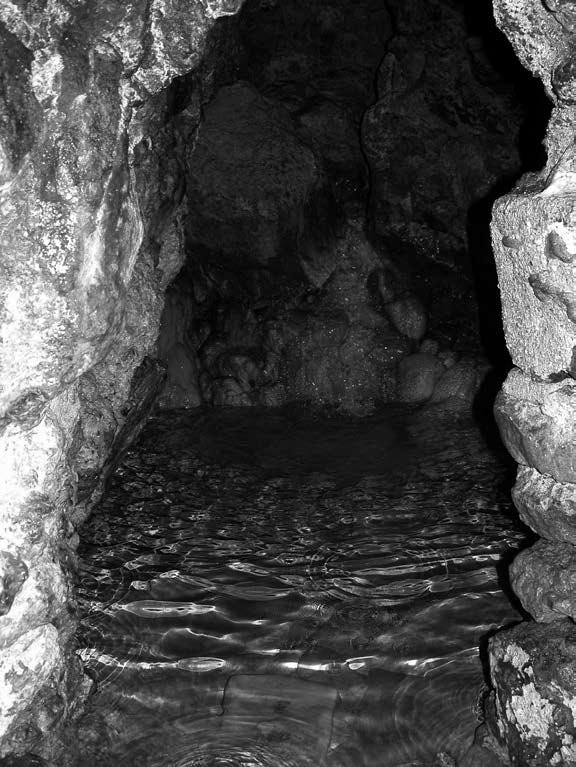
The tomb in Lalîş
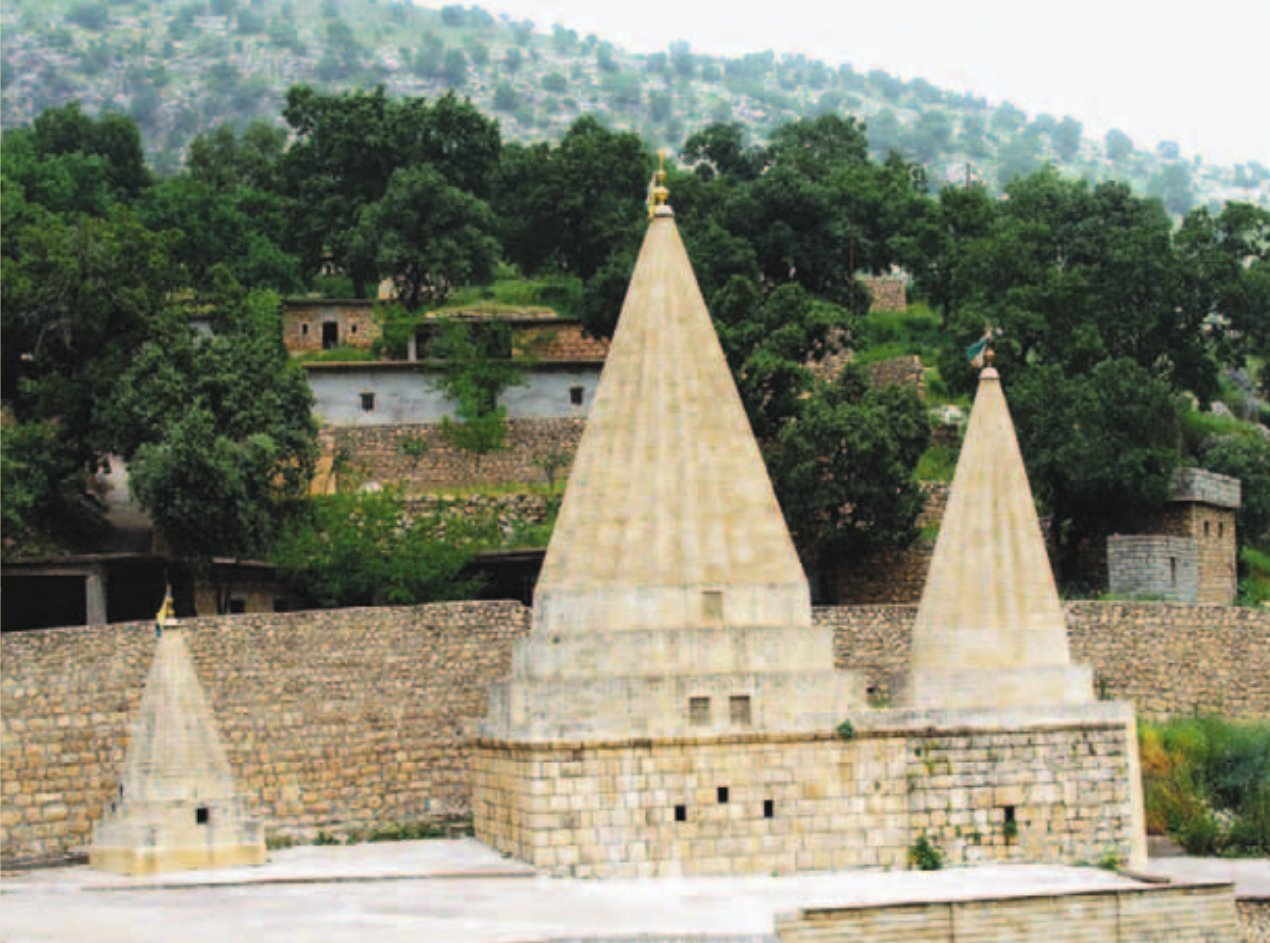
Şêx Adî lies under the highest of the three domes above the main building of Lalîş; to the right of it is the dome of Şêx Hesen (Melek Şêx Sin), to the left that of Şêx Mûsê Enzelî (Grigoriev et al. 2008, pp. 22–25, 33). According to his will, the Ezidis mourned him for seven days – from this, according to the Lalîş photo book, arose the great autumn festival Cemaya Şîxadî (pp. 24–27).
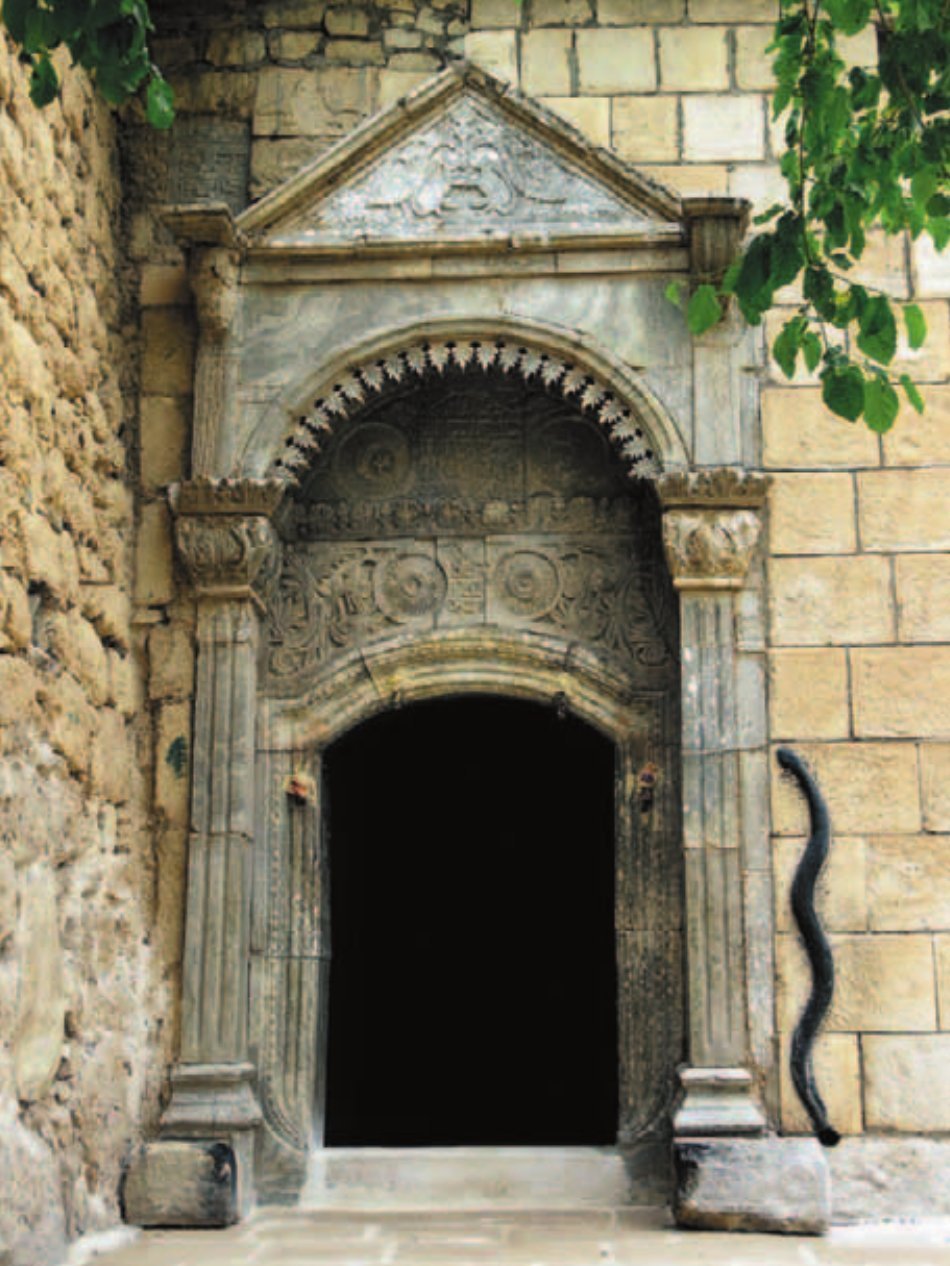
According to the photo book, he gathered the scattered Ezidis and gave them back their old sanctuary Lalîş (Grigoriev et al. 2008, pp. 8–9). A Qewl line says that Şîxadî came to Lalîş clothed in the black Xerqe, and the Edewî rejoiced over him (p. 63).
Differing traditions
Who was Şêx Adî?
| View | What it says | Source |
|---|---|---|
| Research | historical person, Adī ibn Musāfir, mystic from Lebanon, d. 1162; according to Omarkhali (2005), the religion already existed before him, he was a reformer | Kreyenbroek/Rashow 2005, pp. 3–4; Omarkhali 2005, pp. 45–48 |
| Pirbari | historical person and at the same time an earthly embodiment of God, who had earlier appeared as Êzîd; God showed himself in his form as an example of love and faith | Pirbari 2016, p-017, p-030, p-260 |
| Lalîş photo book | the Ezidis saw in him Tawûsî Melek "in the form" of Şêx Adî; therefore he belongs to the holy trinity | Grigoriev et al. 2008, p. 6 |
| Tradition in Omarkhali (2005) | he did not die but ascended into heaven; he existed even before the world and was sent by God without father and mother | Omarkhali 2005, p. 48 |
| Şêx Mak’sîm | no historical person "son of Musafir": Sultan Şîxadî is an archangel, and Şêx Adî is one of his 1001 forms on earth, "revealed" without father and mother; he was not an Arab but revealed himself among Arabs; "bi" in the name does not mean "son" | Şêx Mak’sîm 2017, PDF pp. 143–158 |
According to Kreyenbroek, some Ezidis reject the Western view that Şêx Adî came from Islam; others consider his origin unimportant because his "mystery" was Ezidi (Kreyenbroek/Rashow 2005, p. 22).
One or two Şêx Adî? - Pirbari distinguishes two: Adī ibn Musāfir and his great-nephew Şêx Adî ibn Abu l-Barakat (13th century), who together with his son Şêx Hesen laid down the foundations of the community, its laws and tenets (Pirbari 2016, p-030, p-260).
Which angel is Şêx Adî? - According to Pirbari, he is part of the visible council of the seven saints who embody the seven angels (Pirbari 2016, p-052). - According to Şêx Mak’sîm, Sultan Şîxadî is the archangel Nûraîl, head of the Seven and patron of the Xerqe. The caste of the Şêx, he says, was instituted in his honor; no lineage serves him as his descendants (Şêx Mak’sîm 2017, PDF pp. 12–14, 51–56). God, he says, commanded Şîxadî to explore the earth, which was still covered by water (PDF pp. 21–23).
See also
Sources
- Khanna Omarkhali: The religious textual tradition of the Ezidis – from the oral to the written. Saint Petersburg 2023 (Russian translation of the English original, Wiesbaden 2017), p. 21, 23, 59, 84, 88, 475, 481, 483
- Philip G. Kreyenbroek, Khalil Jindy Rashow: God and Sheikh Adi Are Perfect. Sacred Poems and Religious Narratives from the Yezidi Tradition. Wiesbaden: Harrassowitz 2005, p. pp. 3–4, 19, 22, 32–33, 37, 49–50, 112–126, 178, 188, 392
- Dimitri Pirbari (P’îr Dîma), A. Ščedrovickij: Тайна жемчужины (The secret of the pearl). Moscow/Tbilisi 2016, p. p-017, p-030–040, p-052, p-108–112, p-224, p-242, p-246, p-251, p-260
- S. A. Grigoriev, L. V. Ivasko, D. V. Pirbari (P’îr Dîma): Lalişa Nûranî / Святой Лалыш / Holy Lalish. Yekaterinburg: Basko 2008, p. pp. 6–9, 22–27, 33, 44, 63–64, 71
- Şêx Mak’sîm (Maksim Ezdi): Grundpfeiler der Religion ScherfeDin, 2017 (on EZDIKI.COM in the Religion section and in the library), p. PDF pp. 12–14, 21–23, 51–56, 143–158
- Khanna Omarkhali (Ханна Омархали): Йезидизм. Из глубины тысячелетий (From the depths of the millennia). Saint Petersburg 2005, p. pp. 45–48
- Һ'әсәне Шех К'әләше (Hesenê Şêx Kelaşê, Hesen Hesenyan): Р'е-р'ьзма мьләте Эзди ангори qьраре дин (Rê-rizma mileta Êzdî angorî qirarê dîn). Şamîran 1995 (scan and new text edition in the EZDIKI.COM library), p. pp. 35–37
- John S. Guest: The Yezidis. A Study in Survival. London/New York 1987, p. p. 136 (ill.)
- Birgül Açıkyıldız: The Yezidis. The History of a Community, Culture and Religion. London 2010, p. p. 147 (ill.)
Found a mistake?
Is something wrong – a fact, a spelling, a source, an image? Let us know: we check every report and correct the article.
Other spellings: Sexadi · Schechadi · Shekhadi · Sixadi · Schichadi · Shikhadi · Sultan Sixadi · Sultan Schichadi · Sultan Shikhadi · Sex Adi bin Musafir · Adi ibn Musafir · Melek Adi · Qutbe zeman · Qutb zeman · Sheikh Adi · Scheich Adi · Shaikh Adi · Ezidiki · Ezdeki · Lalish