
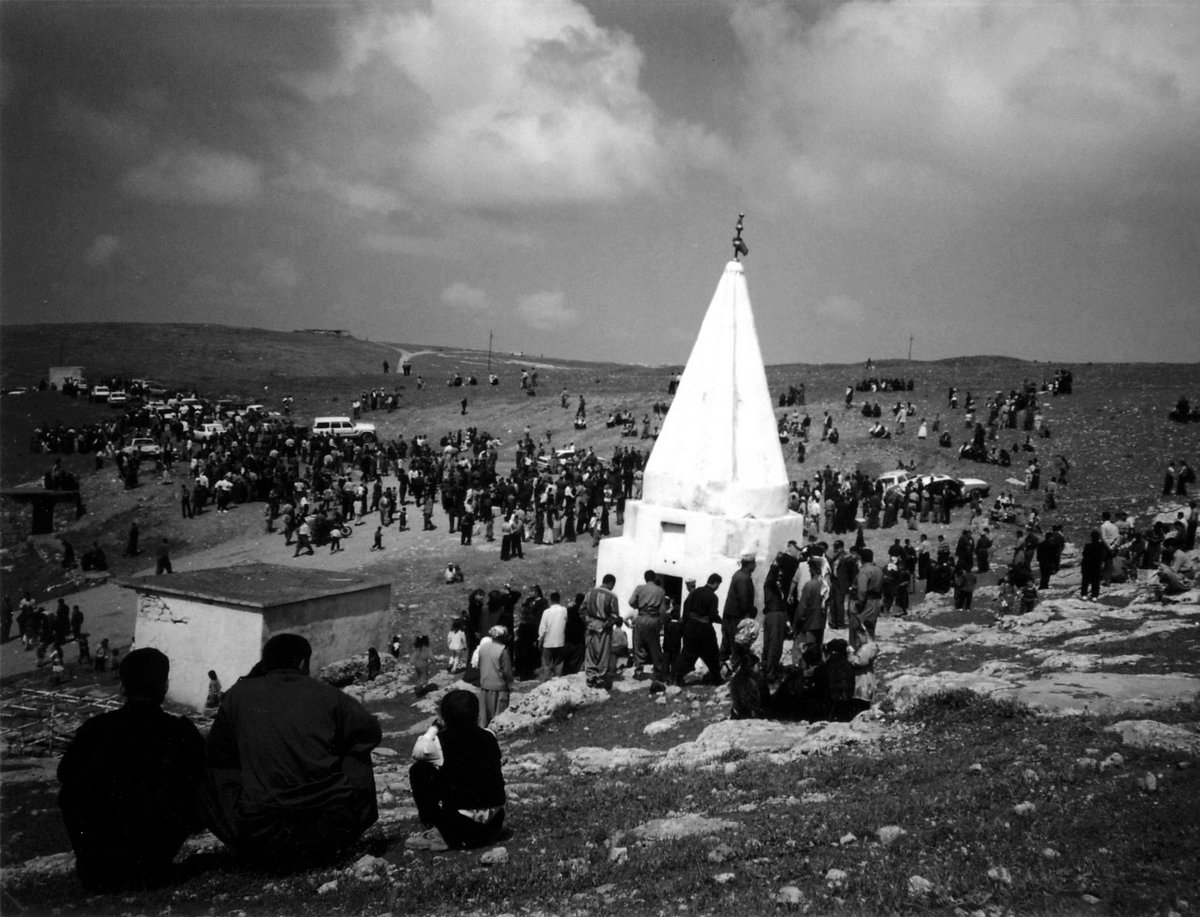
Besides God, Tawûsî Melek and the seven angels, the Ezidis know a large number of holy figures. They are called xas ("chosen one, special one"), mêr ("man", here: saint) or babçak ("good father") (Kreyenbroek/Rashow 2005, pp. 12–13; Pirbari 2016, p-253, p-258). Local festivals are celebrated in their honor, and at their sanctuaries the faithful pray for help (Omarkhali 2023, p. 25).
What the words mean
- Xas is used for high beings; babçak rather for one who lived on earth like a saint. The boundaries are fluid (Kreyenbroek/Rashow 2005, pp. 12–13).
- Sur ("mystery") is the name for the inner essence of a saint; the term is used above all for the seven angels (pp. 12–13).
- Mêr is, according to Pirbari, another word for saints (Pirbari 2016, p-253).
According to Kreyenbroek, every Şêx and P’îr line descends from a holy being. Through their clergy the laypeople are connected with this being – and through it with Tawûsî Melek and God (Kreyenbroek/Rashow 2005, p. 12). The saints appear in human form and work miracles (keramet) (Pirbari 2016, p-040, p-251).
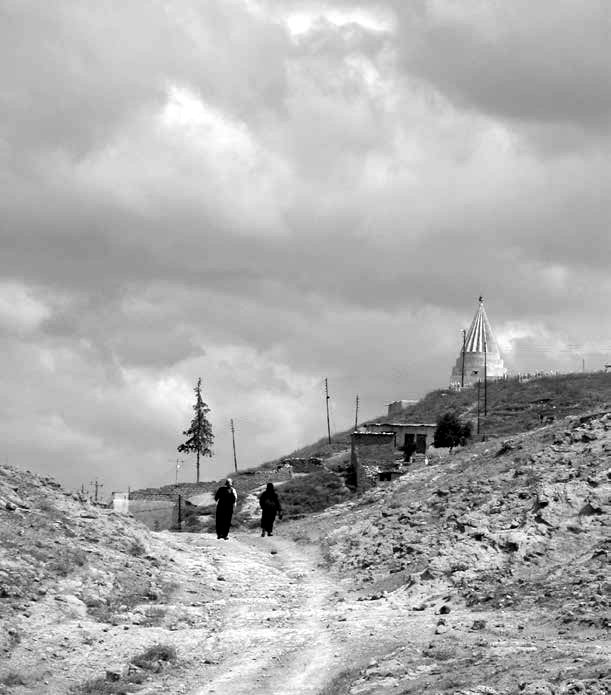
The Lalîş photo book describes the valley of Lalîş as the place of the holy men: every corner is connected with a saint, and many companions of Şêx Adî are buried there (Grigoriev et al. 2008, pp. 20–25).
The Forty
Pirbari names the "forty men" (Çil Mêran), the companions of Şêx Adî, and the "forty P’îr", disciples of Şêx Adî, at whose head he placed Hesen Meman (Pirbari 2016, p-255; Kreyenbroek/Rashow 2005, p. 283). Hesen Meman is regarded as the "P’îr of the forty P’îr" (Grigoriev et al. 2008, pp. 14–15). According to a Qesîde, the angels of the grave do not come to one who has Hesen Meman as his P’îr (Kreyenbroek/Rashow 2005, pp. 222–223).
The P’îr are divided into four main branches: Hesen Meman, Pîr Afat, Pîr Cerwan and Pîr Hecî Elî (Kreyenbroek/Rashow 2005, p. 9). The P’îr of Pîr Afat have a festival of their own, Bêlinda (p. 17).
Patron saints
Many saints are responsible for particular areas of life:
| Saint | Protects | Source |
|---|---|---|
| Memê Şivan ("Mem the shepherd") | sheep and goats | Omarkhali 2023, pp. 76–77; Kreyenbroek/Rashow 2005, p. 13 |
| Gavanê Zerza ("cowherd") | cattle | Omarkhali 2023, pp. 76–77; Kreyenbroek/Rashow 2005, p. 13 |
| Xatûna Fexra | pregnant women and children | Omarkhali 2023, pp. 76–77 – see Xatûna Ferxa |
| Pîr Cerwan | connected with scorpions | Kreyenbroek/Rashow 2005, p. 13 |
| Şêx Mişeleh (Xefûrê riya) | travelers | Grigoriev et al. 2008, pp. 33, 49 |
| Xidir Nebî, Xidir Elyas | lovers, the sick, travelers | see Xidir Nebî and Xidir Elyas |
Polatov also names patron saints of the four elements: P’îr Hesmaman for fire, Mamereşan for water, Hecî Mihemed for earth and Îsibiya for air (Polatov 2011, p. 23).
In the catechism of 1974 such figures are called "angels and intercessors", for example Şêxalê Şemsa and Xatûna Ferxan (Omarkhali 2023, pp. 43–44). A good expert in the sacred texts is credited with a gift of the xas, babçak and mêr (p. 125).

Some saints and their stories
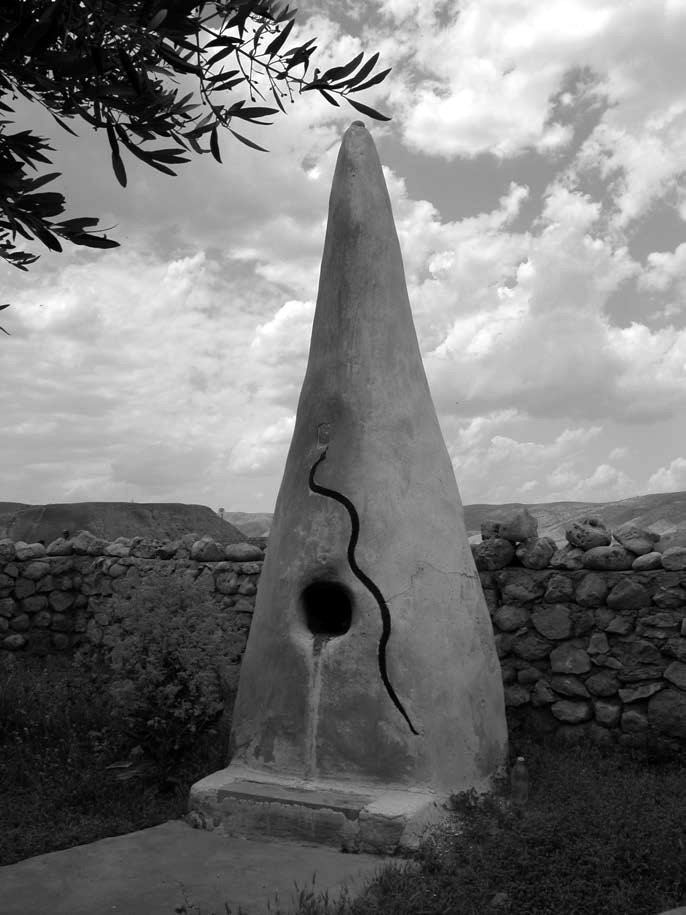
- Şêx Mend, son of Şêx Fexr: all animals obey him; with his staff he fights a winged giant serpent (Omarkhali 2023, pp. 110–111). His sanctuary in Êsivn bears a snake beside the door (Grigoriev et al. 2008, p. 180).
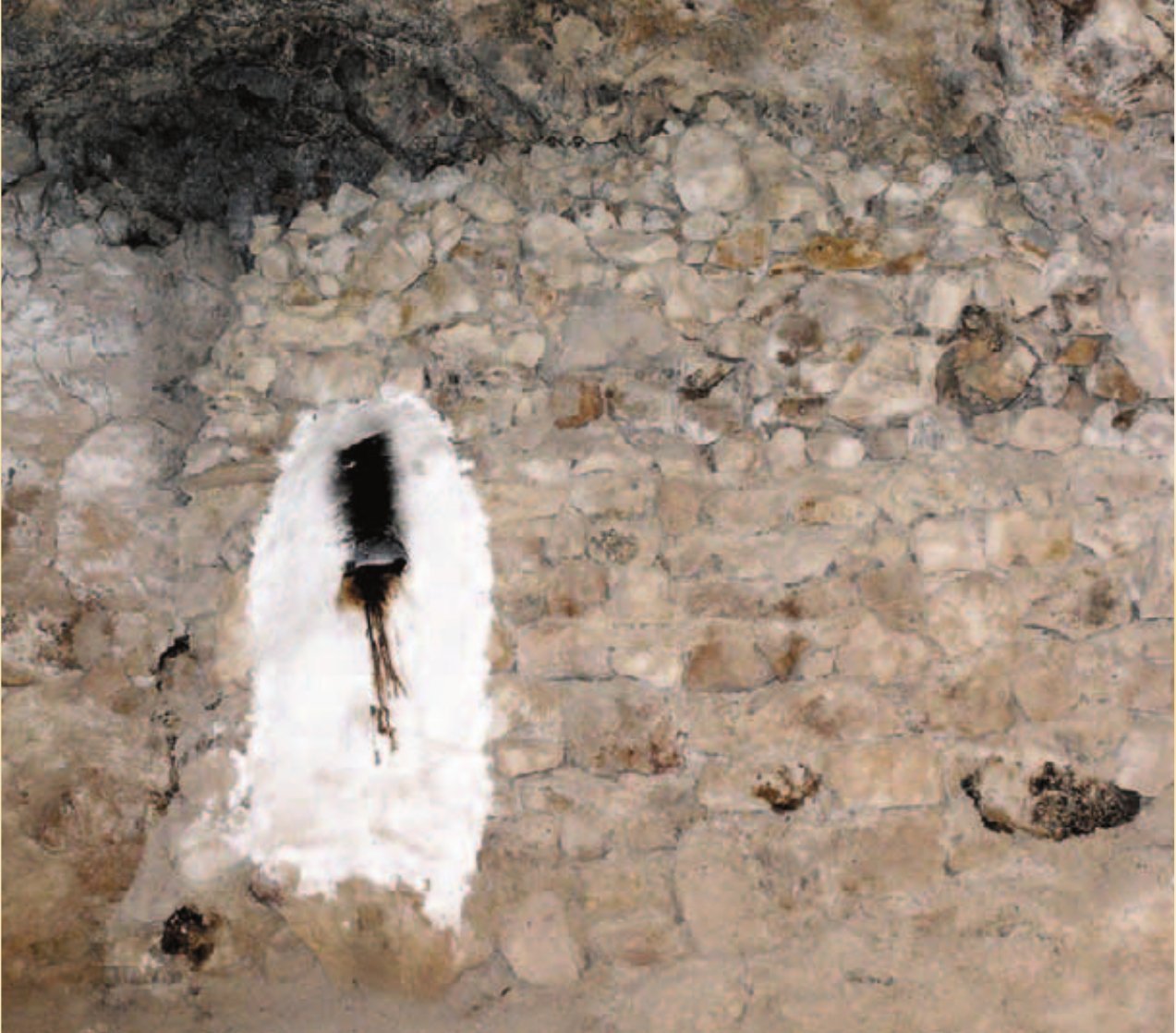
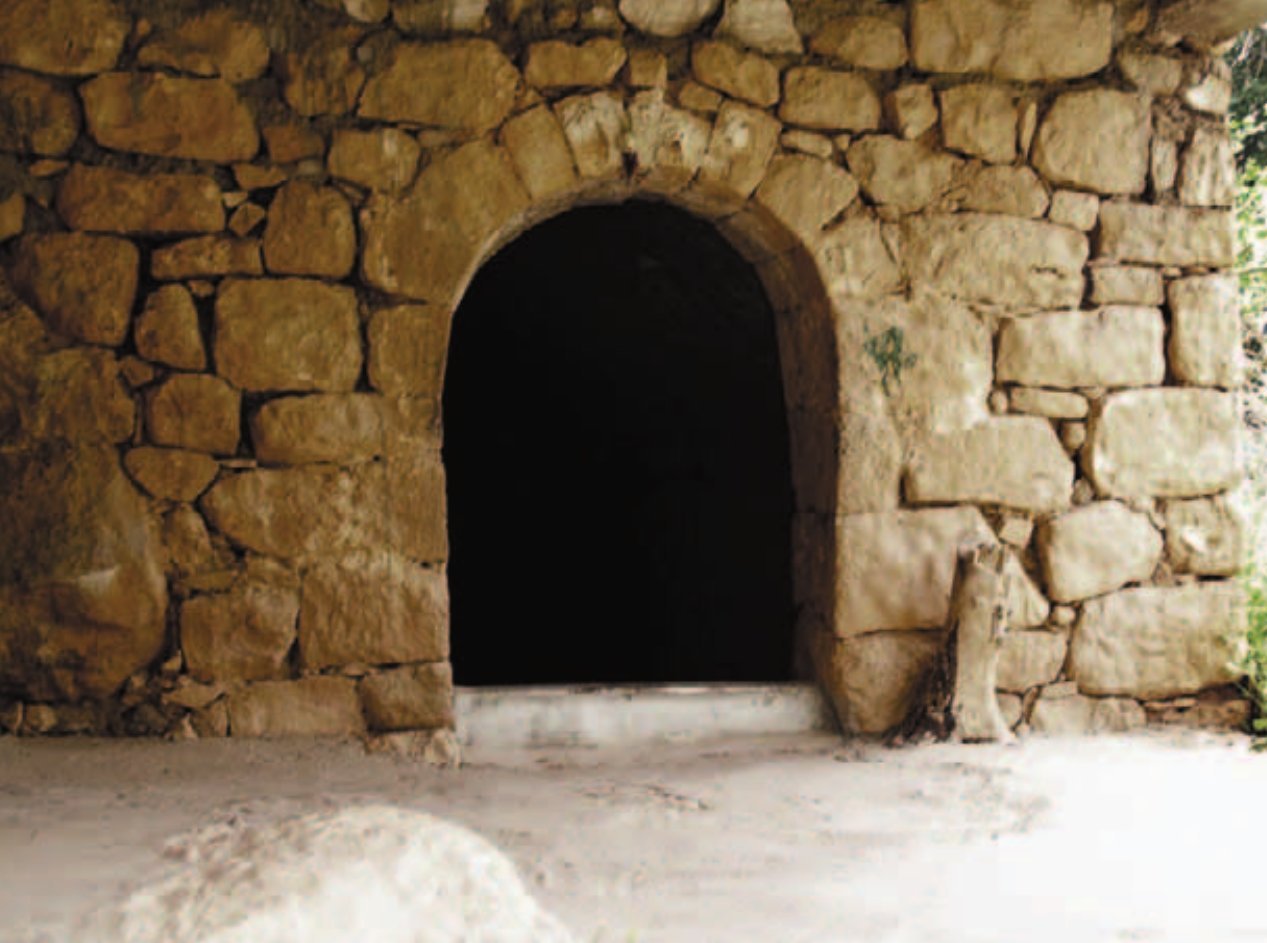
- Pîr Mend ("Pîr Mendî Gor"): he became famous as a healer, grew arrogant and healed "in his own name". As punishment he was buried alive until he repented and Şêx Adî freed him. The lesson: arrogance is punished (Kreyenbroek/Rashow 2005, pp. 188–196). In Lalîş a small dome commemorates him (Grigoriev et al. 2008, p. 55).
- Mehmed Reşan, companion of Şêx Adî; his sanctuary stands on the mountain Meqlûb (Pirbari 2016, p-252; Grigoriev et al. 2008, pp. 176–177).
- Dawûdê Xerbende, a disciple of Şêx Adî (Pirbari 2016, p-248).
- Early Sufis are also venerated as holy figures, as are Jesus and Mary (Kreyenbroek/Rashow 2005, p. 13). See Other religions.
Differing traditions
Do the clergy descend from the saints? - According to Kreyenbroek, every Şêx and P’îr line descends from a holy being (Kreyenbroek/Rashow 2005, p. 12). - According to Şêx Mak’sîm, the clergy are servants (micewr) of an archangel or angel on earth, not his descendants; the Şêxê Şemsa, for example, are servants of Şemsedîn (Şêx Mak’sîm 2017, PDF p. 55).
How high do the saints stand? - Kreyenbroek proposes a rough order as a working hypothesis: "highest beings" (God, Tawûsî Melek, Şêx Adî, Siltan Êzî, also Êzîd), "holy beings" and saints in human form (Kreyenbroek/Rashow 2005, pp. 21–22). - Hesenê Şêx Kelaşê stresses that all Mêr and Melek came into being through God's grace and are his servants (Hesenyan 1995, p. 4). - Şêx Mak’sîm lists as further heavenly beings, among others, Hori, Xas, Jn, Meçetr, Perî, P’êxember and Qelender (Şêx Mak’sîm 2017, PDF p. 41).
See also
Sources
- Philip G. Kreyenbroek, Khalil Jindy Rashow: God and Sheikh Adi Are Perfect. Sacred Poems and Religious Narratives from the Yezidi Tradition. Wiesbaden: Harrassowitz 2005, p. pp. 9, 12–13, 17, 21–22, 188–196, 222–223, 283, 284 (n. 59)
- Khanna Omarkhali: The religious textual tradition of the Ezidis – from the oral to the written. Saint Petersburg 2023 (Russian translation of the English original, Wiesbaden 2017), p. 25, 43–44, 76–77, 110–111, 125
- Dimitri Pirbari (P’îr Dîma), A. Ščedrovickij: Тайна жемчужины (The secret of the pearl). Moscow/Tbilisi 2016, p. p-040, p-248, p-251–255, p-258
- S. A. Grigoriev, L. V. Ivasko, D. V. Pirbari (P’îr Dîma): Lalişa Nûranî / Святой Лалыш / Holy Lalish. Yekaterinburg: Basko 2008, p. pp. 14–15, 20–25, 33, 49, 55, 130, 142, 176–177, 180
- Şêx Mak’sîm (Maksim Ezdi): Grundpfeiler der Religion ScherfeDin, 2017 (on EZDIKI.COM in the Religion section and in the library), p. PDF pp. 41, 55
- Һ'әсәне Шех К'әләше (Hesenê Şêx Kelaşê, Hesen Hesenyan): Р'е-р'ьзма мьләте Эзди ангори qьраре дин (Rê-rizma mileta Êzdî angorî qirarê dîn). Şamîran 1995 (scan and new text edition in the EZDIKI.COM library), p. p. 4
- S. M. Polatov: Дети Солнца (Children of the Sun). Rybinsk 2011, p. p. 23
- Birgül Açıkyıldız: The Yezidis. The History of a Community, Culture and Religion. London 2010, p. pp. 117, 131, 133, 188 (ill.)
Found a mistake?
Is something wrong – a fact, a spelling, a source, an image? Let us know: we check every report and correct the article.
Other spellings: Chas · Khas · Mer · Babcak · Babtschak · Babchak · Ewli · Cil Meran · Tschil Meran · Chil Meran · Vierzig Pir · Sdschhutzheilige · Sjhutzheilige · Pir Afat · Meme Sivan · Meme Schivan · Tawuse Melek · Melek Taus · Taus-i Melek · Malak Tawus