
The Mîr ("prince") is the head of all Ezidis, wherever they live – with secular and spiritual authority. According to Kreyenbroek, he is in theory the highest living authority of the religion and is regarded as the earthly representative of Tawûsî Melek and Şêx Adî. His seat is Baedrê (Ba‘drê) in the area of Şêxan, southwest of Lalîş.
The history of the family and the individual princes is described in People & Culture: The Mîr family Çol, Mîr Tahsîn Beg and Succession of Mîr and Baba Şêx 2019/2020.
Origin of the family
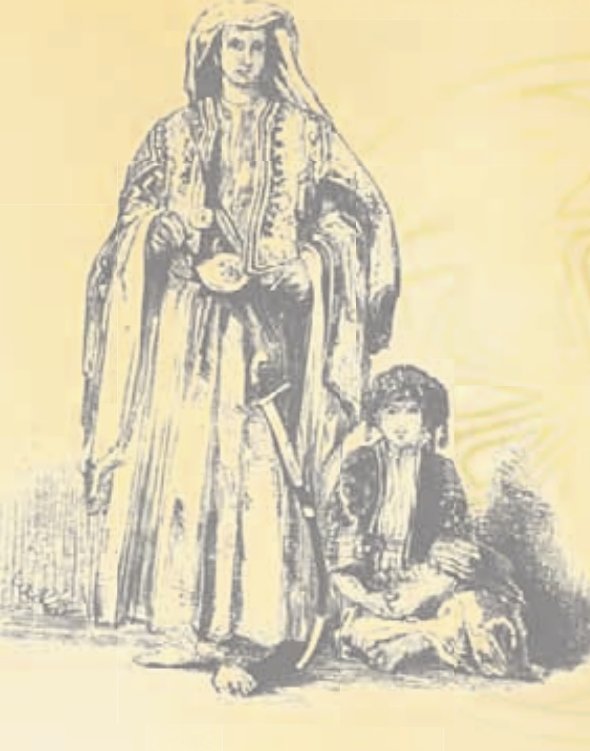
The family of the Mîr belongs to the Şêx house of the Qatanî, line of Şêxûbekir (Omarkhali 2023; Kreyenbroek). According to the English version of the photo book Lalişa Nûranî, it traces itself back to Mîr Melek, a descendant of Mîr Birahîm, son of Derwêş Adem – a disciple of Şêx Adî. The dynasty has accordingly existed since about the 13th/14th century; its members see themselves as representatives of Şêx Adî.
The family tree in the photo book begins with Şêx Mihemedê Batinî (early 17th century) and counts the ruling Mîrs up to Mîr Tehsîn Beg (no. 13). It also shows how many of them died violently: Mîr Çolo was killed in 1790 by the prince of Amêdî, Mîr Elî begê Mezin around 1833 in Rewandiz.
Religious significance of the office
- Representative: according to Kreyenbroek, the Mîr represents Tawûsî Melek and Şêx Adî on earth.
- "Mîr" as a name of the Highest: in the hymns "the prince" (Mîr) is usually an allusion to Tawûsî Melek (Kreyenbroek). Pirbari names "Mîr" and "Emîr" among the epithets of God. In the Qewl God's heavenly assembly is also called Dîwan, its host "Mîr" (Kreyenbroek).
- Himself a Mirîd: the Mîrs too are Mirîd of their own Şêx and P’îr (Lalişa Nûranî). The office thus does not stand outside the system of spiritual bonds.
Rights and duties
The photo book Lalişa Nûranî (glossary of offices) lists:
- The Mîr is the head of the Spiritual Council (Civata Ruhanî). Members of the council and tribal leaders advise and make proposals; he has the last word.
- He alone has the right to designate the Babê Şêx. According to the English version, he confirms the Extiyarê Mergehê, and the latter then blesses the heir to the Mîr's throne – the two offices support each other (see Babê Şêx).
- He organizes the affairs of Lalîş. Without his permission no circuit with the Sencaq takes place (see Sencaq and Tawûs gêran).
- From the revenues of Lalîş and of the Tawûs he has the holy places renewed and built, helps the poor and settles disputes.
- He represents the Ezidis throughout the world.
According to Kreyenbroek, the Mîr also appoints the Babê Şêx, the Pêşîmam, the Babê Çawîş and the head of the Feqîr. His revenues included donations to three of the seven Sencaq, which the Qewal collected on their circuits. Until the 18th century the Mîrs were autonomous rulers of Şêxan; the Ottoman sultan and later the Iraqi state recognized them (Kreyenbroek; Lalişa Nûranî).
The Mîr Hec
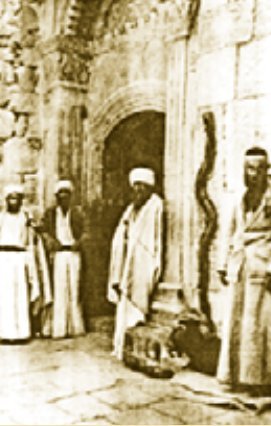
An office of its own from the house of the Qatanî is the Mîr Hec ("prince of the pilgrimage"), a Şêx of the group Pismîr (line of Şêxûbekir); formerly the office is said to have lain with the Adanî (Kreyenbroek; Omarkhali 2023). At the festival of Erefat he climbs the mountain Erefat in Lalîş with the Babê Şêx, the Great Pêşîmam and the faithful and throws pieces of bread; whoever catches one runs to the spring Kaniya Sipî, and the first receives a prize (Kreyenbroek). At the Sema he goes in third place in the line of dignitaries (see Sema).
The Mîr and the question of a holy book
When in recent decades there was dispute over a written collection of the sacred texts (qanûn, "canon"), some thought the Mîr should decide by decree. According to Omarkhali (2023), Mîr Tehsîn Beg agreed to the writing down in a conversation in 2008 and saw the tribal leaders as the main obstacle. However, there is no generally recognized central teaching authority. According to Omarkhali, ordinary Ezidis see the Mîr as an authority, but not as a "spiritual leader" in the sense of a teacher.
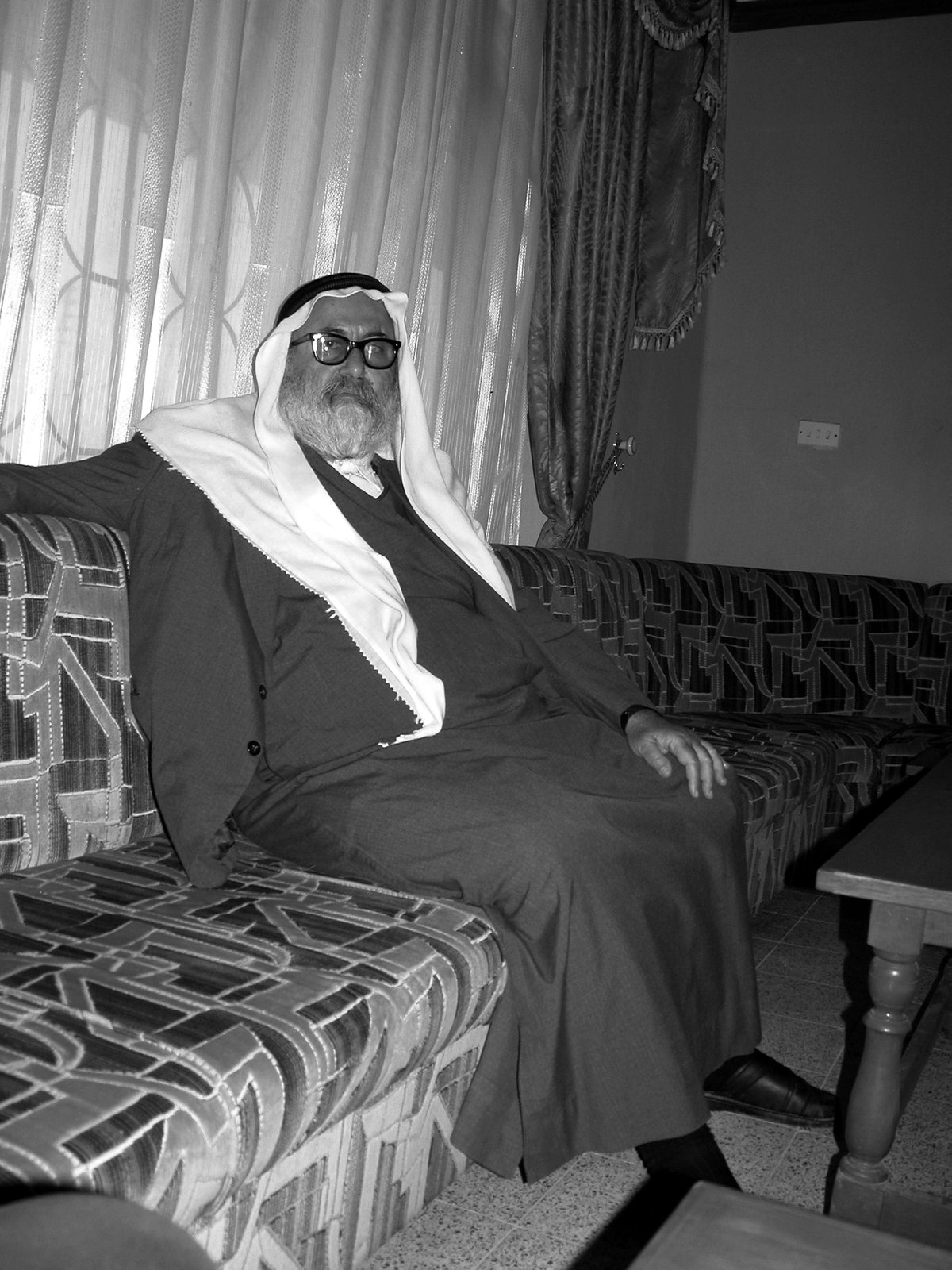
According to Omarkhali (2023), Mîr Tehsîn Beg was born in 1933, became Mîr at the age of 13 and died on 28 January 2019.
See also
- Babê Şêx · Offices in Lalîş
- Spiritual offices (People & Culture)
Sources
- Philip G. Kreyenbroek, Khalil Jindy Rashow: God and Sheikh Adi Are Perfect. Sacred Poems and Religious Narratives from the Yezidi Tradition. Wiesbaden: Harrassowitz 2005, p. pp. 8–11, 36–39
- S. A. Grigoriev, L. V. Ivasko, D. V. Pirbari (P’îr Dîma): Lalişa Nûranî / Святой Лалыш / Holy Lalish. Yekaterinburg: Basko 2008, p. pp. 8–11, 23, 30, 200, 205
- Khanna Omarkhali: The religious textual tradition of the Ezidis – from the oral to the written. Saint Petersburg 2023 (Russian translation of the English original, Wiesbaden 2017), p. pp. 24, 139, 249–250, 256, 513–514
- Dimitri Pirbari (P’îr Dîma), A. Ščedrovickij: Тайна жемчужины (The secret of the pearl). Moscow/Tbilisi 2016, p. p. 254 (PDF)
- Birgül Açıkyıldız: The Yezidis. The History of a Community, Culture and Religion. London 2010, p. p. 104
Found a mistake?
Is something wrong – a fact, a spelling, a source, an image? Let us know: we check every report and correct the article.
Other spellings: Mire Sexan · Mire Schechan · Mire Shekhan · Mir Sexan · Mir Schechan · Mir Shekhan · Mîr Şêxan · Mir Şêxan · Emir · Bek · Bey · Mir Hec · Mir Hedsch · Mir Hej · Tawuse Melek · Melek Taus · Taus-i Melek · Malak Tawus · Sheikh Adi · Scheich Adi