
In the valley of Lalîş no one lives permanently except the servants of the sanctuary. These servants hold offices of their own with rules of life of their own. Some offices are bound to a caste, others are open to every devout Ezidi. The highest cleric, the Babê Şêx (Extiyarê Mergehê), and the Mîr have articles of their own; here the subject is the offices of daily service and of the festivals.
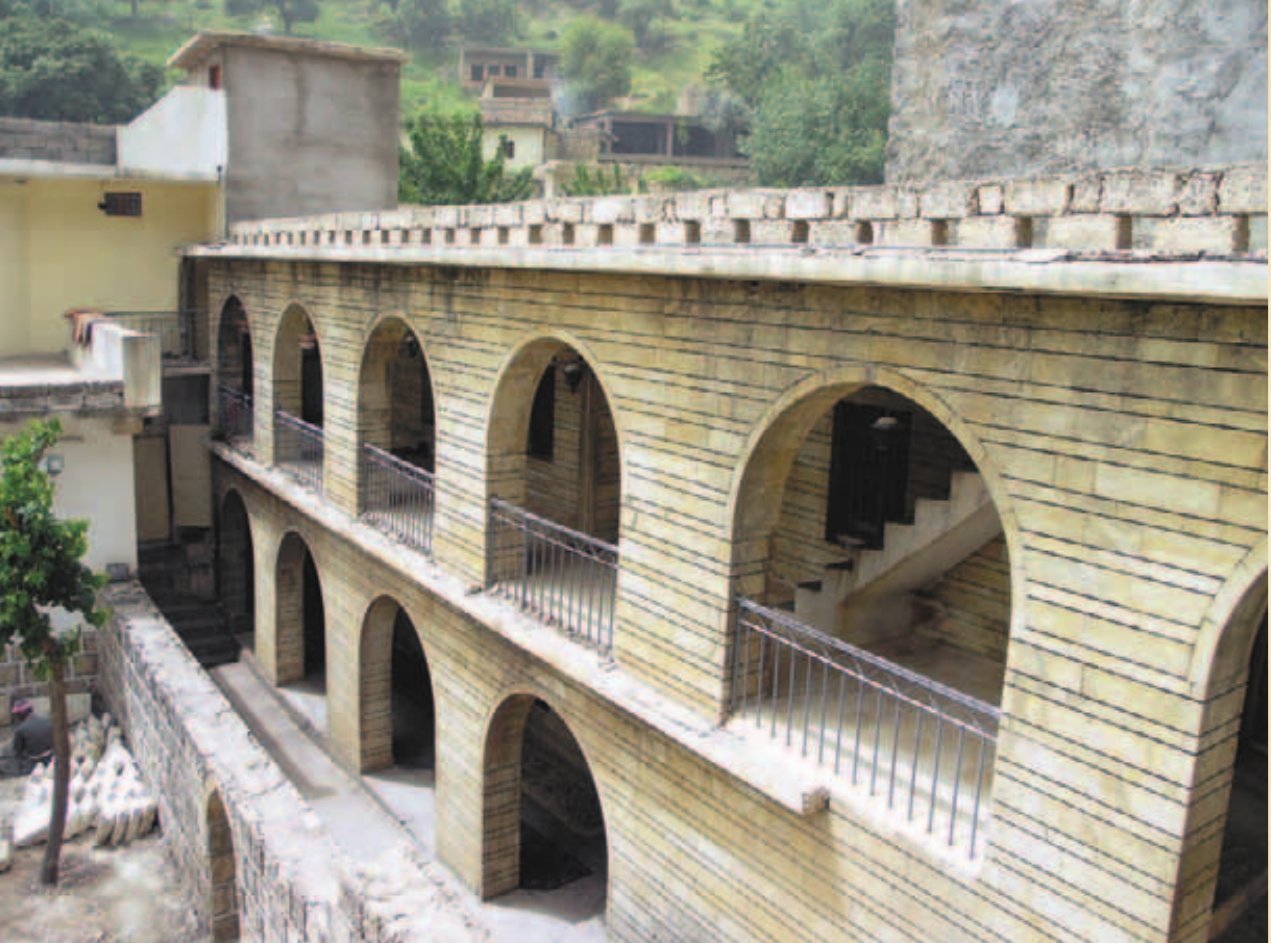
According to the photo book Lalişa Nûranî, the rooms of these servants lie in the building Mala sêfîla: below the rooms of the Qewal during the festivals, above those of the Babê Şêx, the Babê Çawîş, the Kebanî and the Feqra.
Babê Çawîş – the guardian of the tomb
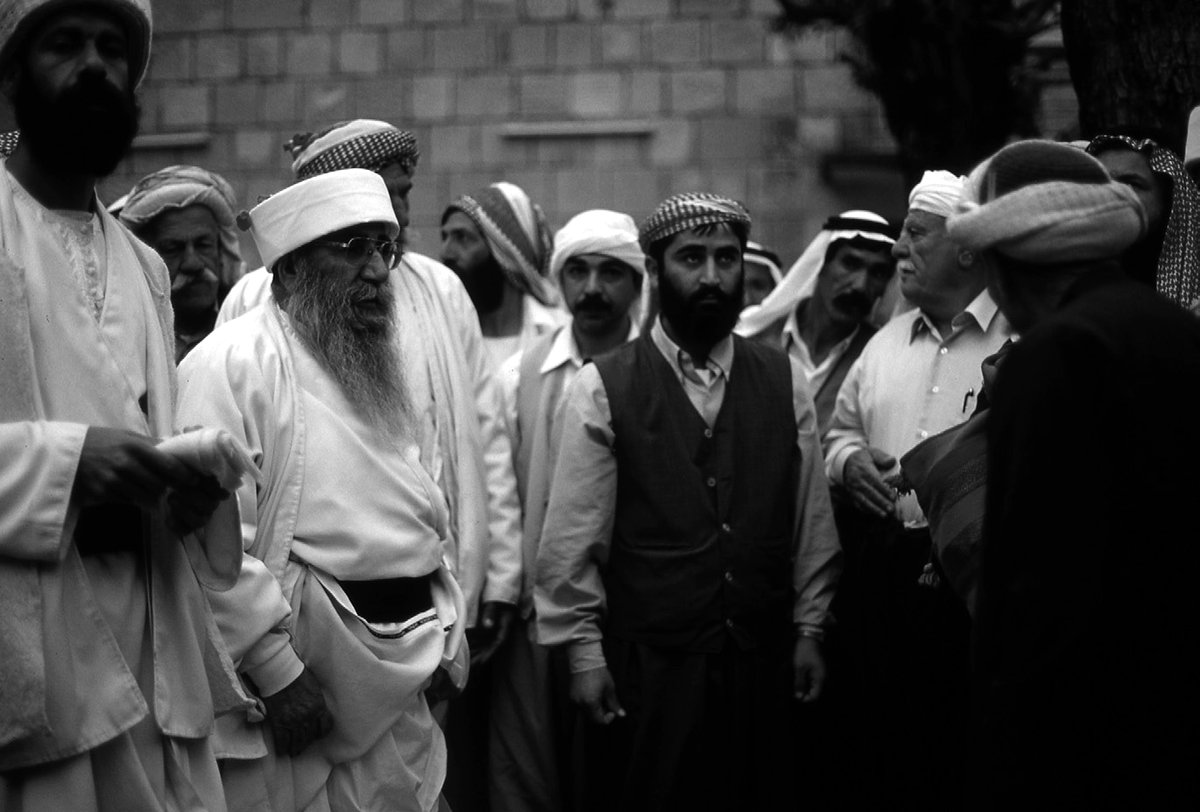
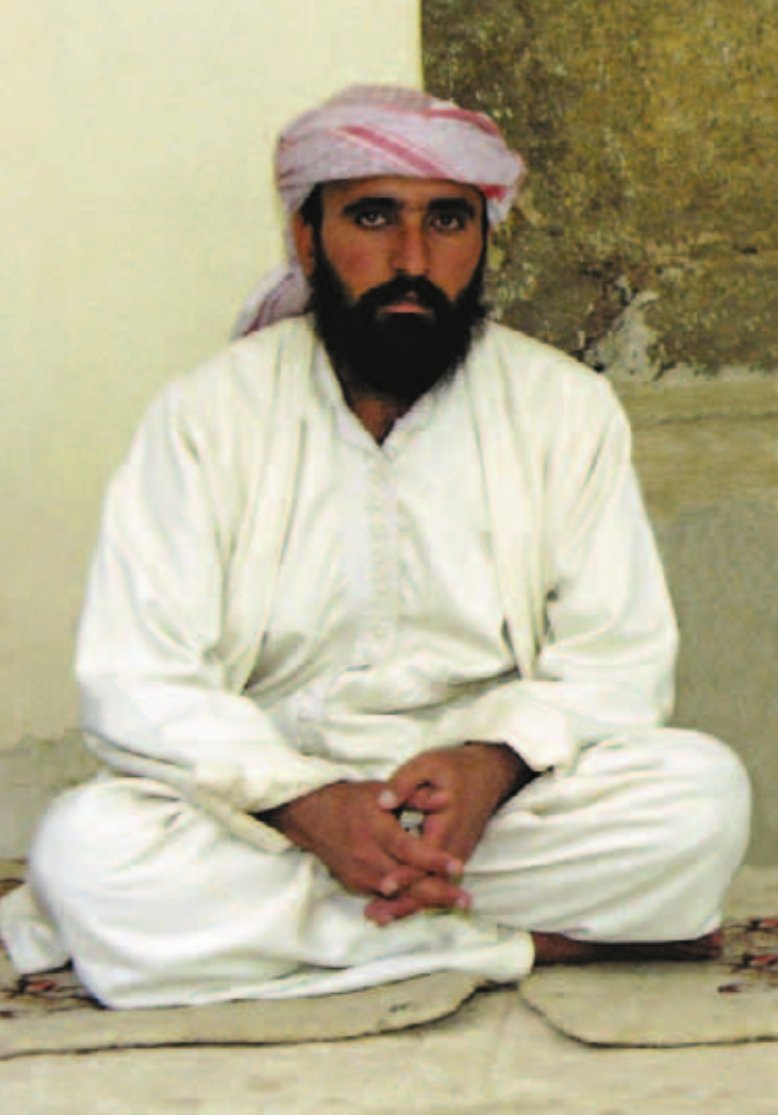
The Babê Çawîş (Bavê Çawîş, Baba Çawûş) lives permanently in Lalîş. He guards the tomb of Şêx Adî, manages the everyday life of the sanctuary and is responsible for the daily rituals (Kreyenbroek; Omarkhali 2023). He wears white and the belt rist, never marries and devotes himself entirely to Şîxadî and to service in Lalîş (Lalişa Nûranî). According to the English version of the photo book, he represents the Babê Şêx in Lalîş and is "master of everything" there; he is regarded as a servant of Şêx Adî.
The sources describe differently which caste he comes from: according to the Êzdîkî text of Lalişa Nûranî, he can come from any caste; the English version says that for about a hundred years only P’îr have held the office; Omarkhali (2023) calls him a P’îr. The Mîr appoints him (Kreyenbroek).
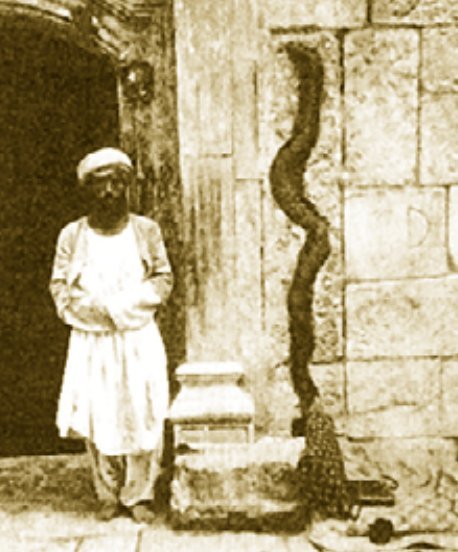
A tradition explains the office through the history of Lalîş: the Babê Çawîş, it says, represents Mar Yuhennan (Mar Hena), the Christian monk who led the monastery in Lalîş before Şêx Adî and was permitted to stay there with him (Kreyenbroek). See History of the sanctuary.
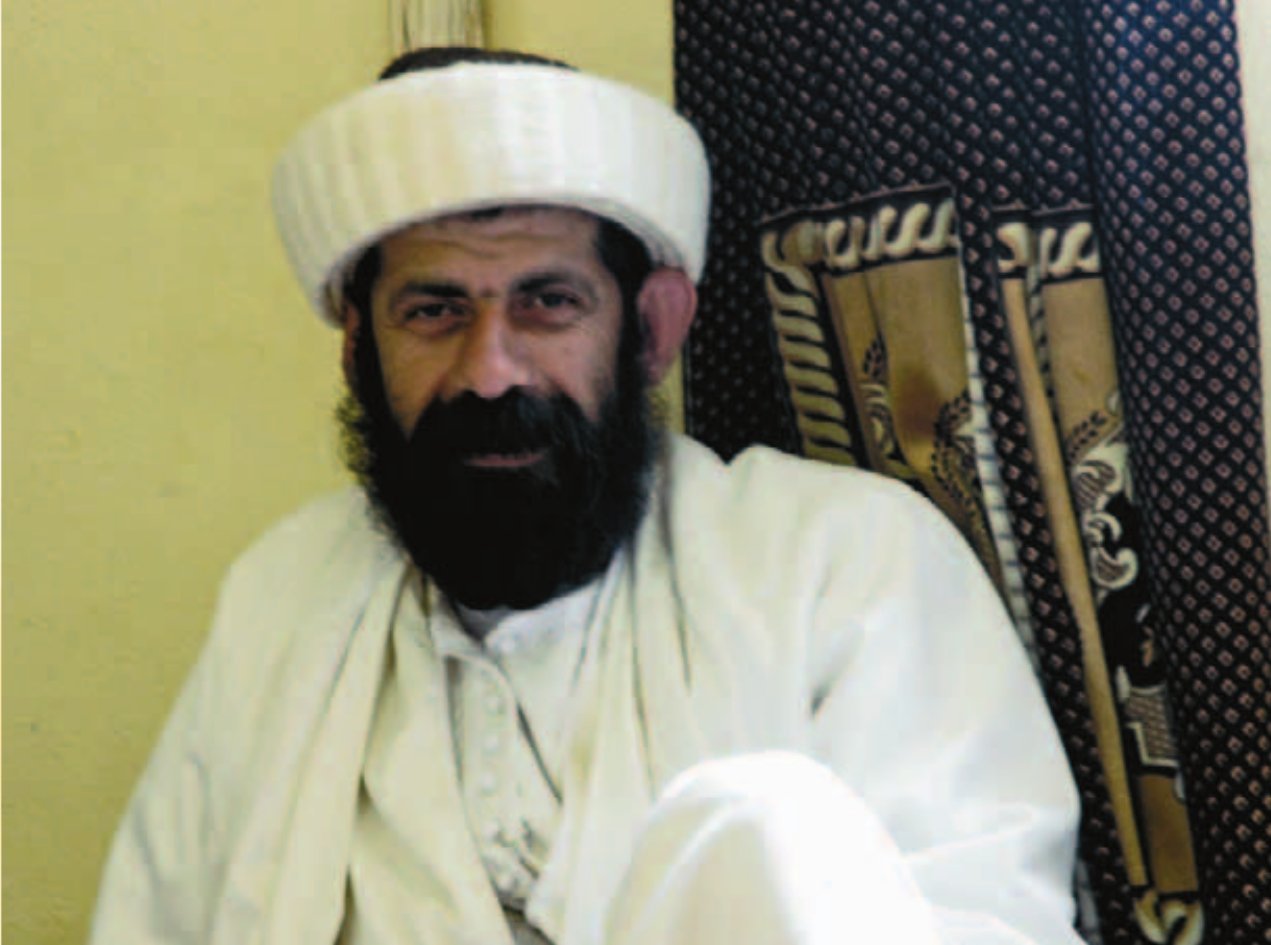
The photo book shows three holders of the office: Pîr Çerût, Pîr Kemal and Pîr Şero Pîr Ferman from the family Pîrê Mehmedê Reben, born in 1972 and in office since 2001.
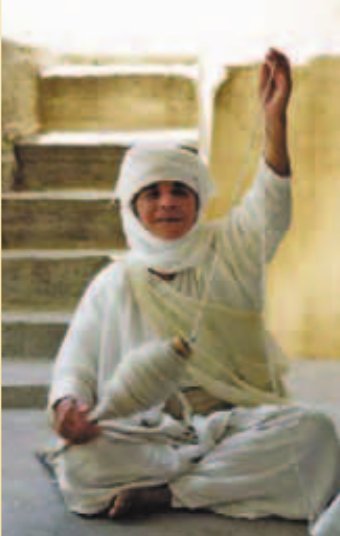
Kebanî and Feqra – the female servants
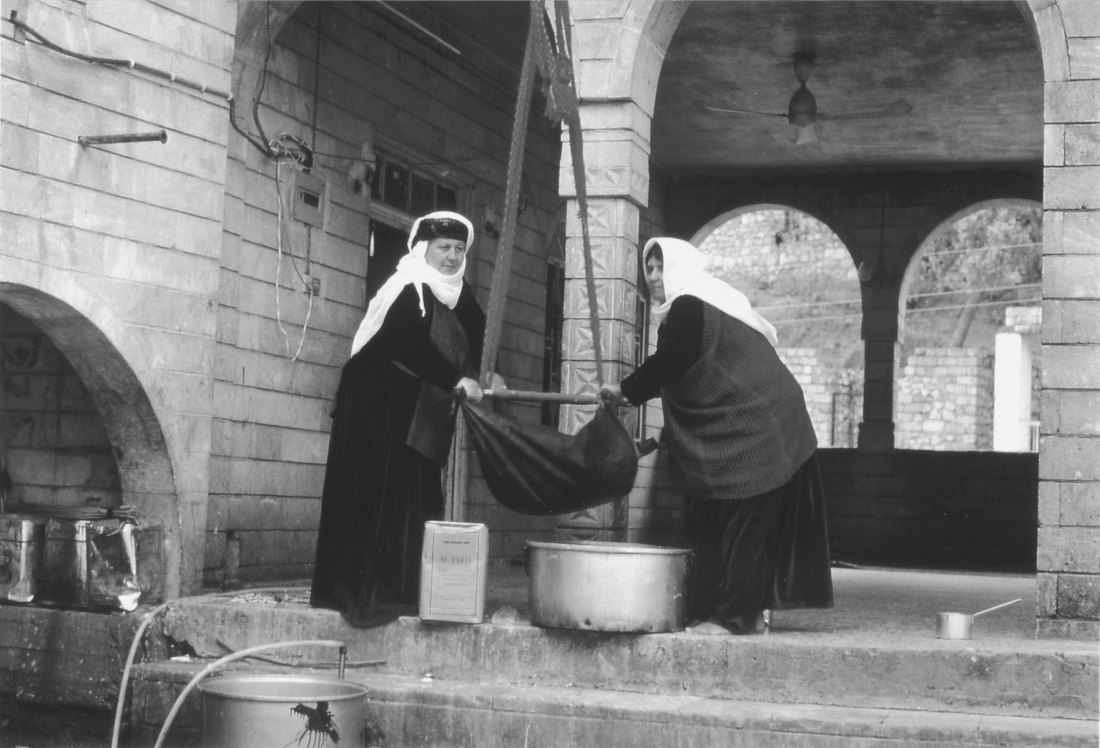
The Feqra (Feqray) are unmarried women who look after the sanctuary together with the Babê Çawîş. They make the wicks and oil lamps, light them and produce the holy small earth balls Berat (Lalişa Nûranî). According to Omarkhali (2005), they are unmarried women and widows with a vow of chastity; they help the Koçek. Their superior, the eldest Feqra, is called Kebanî ("housewife") or Dayê Kebanî. According to Kreyenbroek, in 2001 there was only one Kebanî left in Lalîş.
On Wednesday and Friday evenings the Dayka Kevanî carries a bowl of embers and a bag of incense (bixûr) through the sanctuary and scatters it so that the buildings are fragrant (Lalişa Nûranî).
Feraş – the lighter of lights
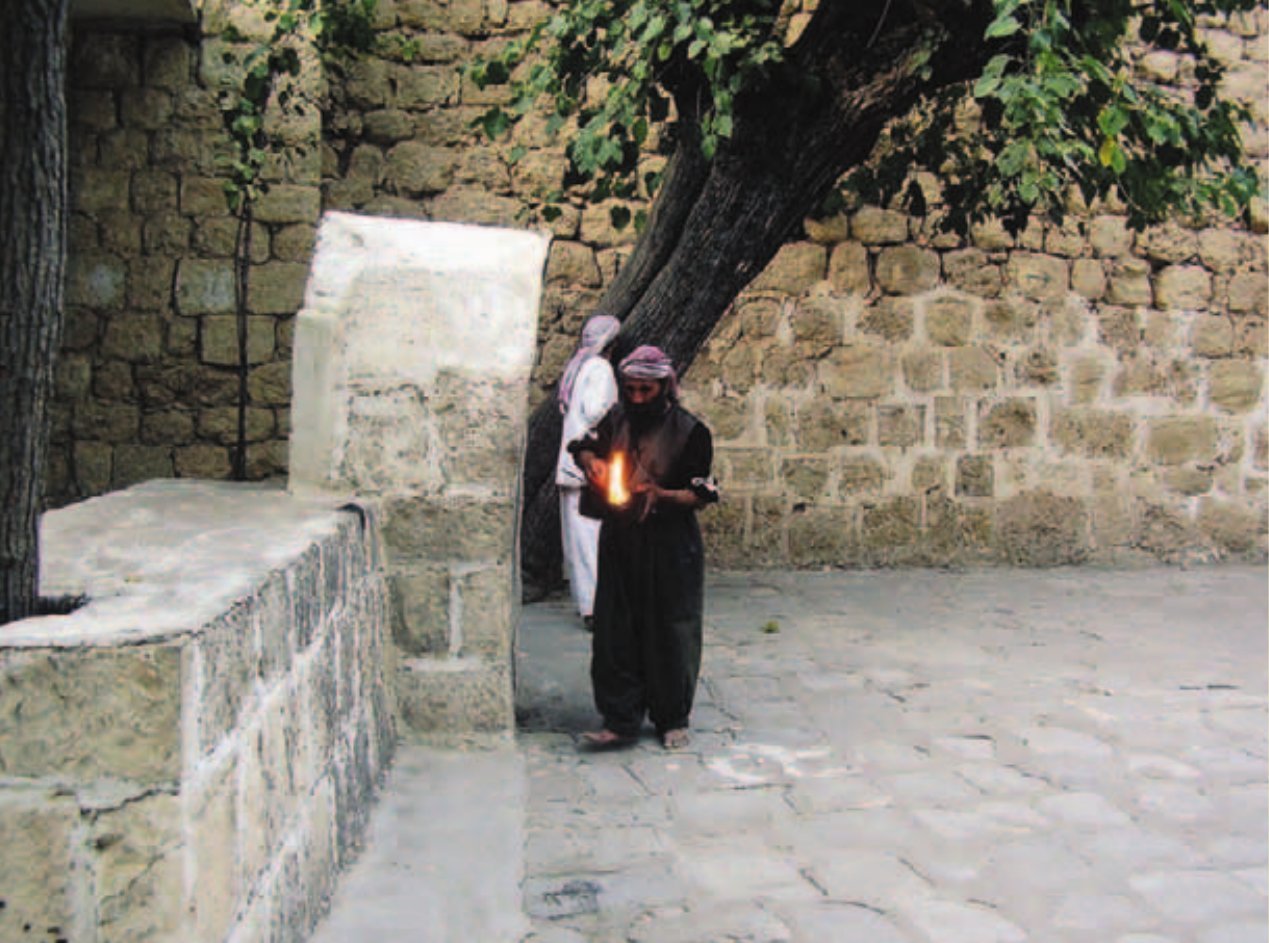
The Feraş (Ferraş) lights the wicks at the holy spots. He fills the Çeqeltû, an oil vessel with a small spoon and a hand-shaped handle, dips the wick in oil, sets it in the niche and lights it. Every Ezidi with a religious life who serves in Lalîş can become a Feraş (Lalişa Nûranî). Fire is regarded as a sign of the sun; it is lit because of its purity. Omarkhali (2005) calls the Ferraş the one who lights the fire at the tomb of Şêx Adî, and the Çawîş a similar temple servant. On the wick places see Nîşangeh and wicks.
Micêwir – the guardian of a holy place
Micêwir originally means "neighbor" (Kreyenbroek). What is meant is the guardian of a sanctuary – usually a Şêx or P’îr, sometimes a Feqîr. He holds the burials and the annual local festival (tiwaf) there and is a kind of "local priest" (Kreyenbroek). According to Lalişa Nûranî, he is responsible for the sanctuaries of the saints in the villages and is the overseer of the Nîşangeh in Lalîş; he lives from donations and helps to settle disputes.
Especially respected is the Micêwirê Kaniya Sipî, the guardian of the White Spring; he is a P’îr (Kreyenbroek; Omarkhali 2023). There the consecration Mor kirin is performed.
The head of the Feqîr is called Metbexçî ("steward of the kitchen") or Micêwirê Lalişê ("guardian of Lalîş") and is appointed by the Mîr (Kreyenbroek). In 2010 Feqîr Hecî became Micêwirê Lalişê (Omarkhali 2023).
Xilmetkar – the servants of the sanctuary
The Xilmetkar (Xizmetkar, "servants") perform worship through work: they build and clean, whitewash the domes, bring wood for the wood store, plant and water, tend the olive grove and make the oil for the lamps. Today they mostly come from Başîqe and Behzanê (Lalişa Nûranî). In Lalîş no trees may be felled; the firewood for the holy dish Simat is brought by the Xilmetkar from outside.
Dignitaries of the festivals
At the great festivals and the procession Sema further dignitaries appear (Kreyenbroek; Omarkhali 2023):
| Office | Origin | Task |
|---|---|---|
| Şêx el-Wezîr | Şemsanî | responsible for the great sanctuary of Şêşims; is said to have led the assemblies of Şêx Adî in his time |
| Pîrê Esbiya (Pîrê Îsibiya) | P’îr | treasurer of the sanctuary; represents the P’îr |
| Baba Gavan | Şemsanî, line of Emadîn | companion of the Babê Şêx; wears white |
| Mîr Hec | Qatanî | "prince of the pilgrimage" (see Mîr) |
| Feqîrê Serderî | Feqîr | live and serve permanently in Lalîş |
According to Kreyenbroek, the order in the Sema is: 1. Metbexçî, 2. Great Pêşîmam, 3. Mîr Hec, 4. Şêx el-Wezîr, 5. a Şêx of the line of Şêx Ismail/Ebd el-Qadir, 6. Pîrê Esbiya, 7. a Koçek, 8. Babê Çawîş. In this line all three Şêx houses and the P’îr are represented.
See also
- Feqîr · Koçek · Pêşîmam
- Lalîş – overview
- Spiritual offices in Lalîş and in the communities (People & Culture, with older reports)
Sources
- Philip G. Kreyenbroek, Khalil Jindy Rashow: God and Sheikh Adi Are Perfect. Sacred Poems and Religious Narratives from the Yezidi Tradition. Wiesbaden: Harrassowitz 2005, p. pp. 8, 10–11
- S. A. Grigoriev, L. V. Ivasko, D. V. Pirbari (P’îr Dîma): Lalişa Nûranî / Святой Лалыш / Holy Lalish. Yekaterinburg: Basko 2008, p. pp. 16–17, 32–36, 89, 95, 144, 155, 159, 204–206
- Khanna Omarkhali: The religious textual tradition of the Ezidis – from the oral to the written. Saint Petersburg 2023 (Russian translation of the English original, Wiesbaden 2017), p. pp. 24, 128, 139, 513
- Bedelê Feqîr Hecî (Bedilê Feqîr Heci): Bawerî û Mîtologiya Êzidiyan. Çendeha Têkist û Vekolîn [Faith and mythology of the Ezidis. Some texts and studies]. Dihok 2002, p. p. 15
- Khanna Omarkhali (Ханна Омархали): Йезидизм. Из глубины тысячелетий (From the depths of the millennia). Saint Petersburg 2005, p. pp. 132–133
- Birgül Açıkyıldız: The Yezidis. The History of a Community, Culture and Religion. London 2010, p. pp. 23, 105
Found a mistake?
Is something wrong – a fact, a spelling, a source, an image? Let us know: we check every report and correct the article.
Other spellings: Babe Cawis · Babe Tschawisch · Babe Chawish · Bab Cawis · Bab Tschawisch · Bab Chawish · Bab Çawîş · Bave Cawis · Bave Tschawisch · Bave Chawish · Bav Cawis · Baba Cawus · Baba Tschawusch · Baba Chawush · Kebani · Daye Kebani · Lalish · Lalisch · Lalesh · Sheikh