
Among the five spiritual bonds of every Ezidi (Pênc ferz), one is regarded as particularly close: the brother of the hereafter (birayê axiretê, short birê axretê). Women also have a sister of the hereafter (xuşka axiretê). Kreyenbroek interprets the formula "yar û birayê axiretê" as "friend (here) and brother (on a higher level)". How one chooses the brother and what he does at the burial is described in the section People & Culture: Brother of the hereafter. Here the subject is the religious significance.
A bond before and after this life
According to Kreyenbroek, the Ezidis believe that the bond existed before this life and continues after death. In life it usually begins in youth and lasts a lifetime. This idea fits the Ezidi belief in the rebirth of the soul: the brother of the hereafter is a companion beyond the boundaries of a single life.
According to tradition, Şêx Hesen was the brother of the hereafter and at the same time the Şêx of Şêx Adî (Kreyenbroek). The Şêx of the house of the Adanî (Şêxisin) are therefore called "Şêx of the Şêx" according to Omarkhali (2005): they are the brothers of the hereafter of the houses Şemsanî and Qatanî.
Who can be brother or sister
The sources describe the rules differently:
| Kreyenbroek | Omarkhali (2005) | Şêx Mak’sîm | |
|---|---|---|---|
| Brother | usually from a Şêx family | from the Şêx caste, hereditary from the same lineage and the same house; for P’îr only from the house of Hesmeman | a Şêx or P’îr |
| Sister | a woman has a sister (with exceptions) | from Şêx or P’îr lineages of the maternal line; obligatory for women, voluntary for men | – |
| Choice | – | change only if the house has died out | – |
According to Lalişa Nûranî, every Ezidi must have a sister and a brother of the hereafter from the families of the clergy; the brother is chosen freely. Every Şêx and P’îr himself also has a brother of the hereafter (Omarkhali 2005).
The bond is concluded in a rite: a mediating Şêx asks what the person wishes – "a brother for the hereafter" – and then asks the future brother whether he agrees. According to Omarkhali (2005), the one asked may not refuse; he agrees "except in three letters" – the three mortal sins. Then the prayer Terqîn is spoken. See also Dest Danîn.
Tasks in life and at death
- He takes part in the rites of passage and receives gifts (xêr) (Kreyenbroek). At a wedding the sister of the hereafter of the bride and the brother of the hereafter of the groom are important.
- At death a Şêx or P’îr washes the body in the presence of the brother or sister of the hereafter. He or she ties the shroud and opens it again at the burial (Kreyenbroek). According to Pirbari, he unties the last knot at the head in the grave.
- At the grave, according to Şêx Mak’sîm, the brother of the hereafter speaks the prayer for the handing over to the earth (Doa Tesmîl kirina Erdê).
Details: Burial – religious meaning.
Across the bridge
His most important task begins after death. According to Ezidi belief, the soul must cross a narrow bridge into the hereafter – Pira Selatê or Pira Sirat, according to Omarkhali (2005) "thin as a thread". The soul of the righteous crosses with the help of the brother or sister of the hereafter; the sinner falls (Omarkhali 2005; Pirbari). According to Şêx Mak’sîm, the Birê Axiretê leads the soul across the bridge, which he calls P’r’a Serhatê.
In the Qewlê Seremergê, the hymn of the hour of death, it says according to Kreyenbroek: at the bridge Sirat – on one side paradise, on one darkness, on the third hell – the friends and brothers of the hereafter help their sinful brothers; there God intercedes for the soul. According to Pirbari, the Qewlê Hevsarê also deals with the brother of the hereafter.
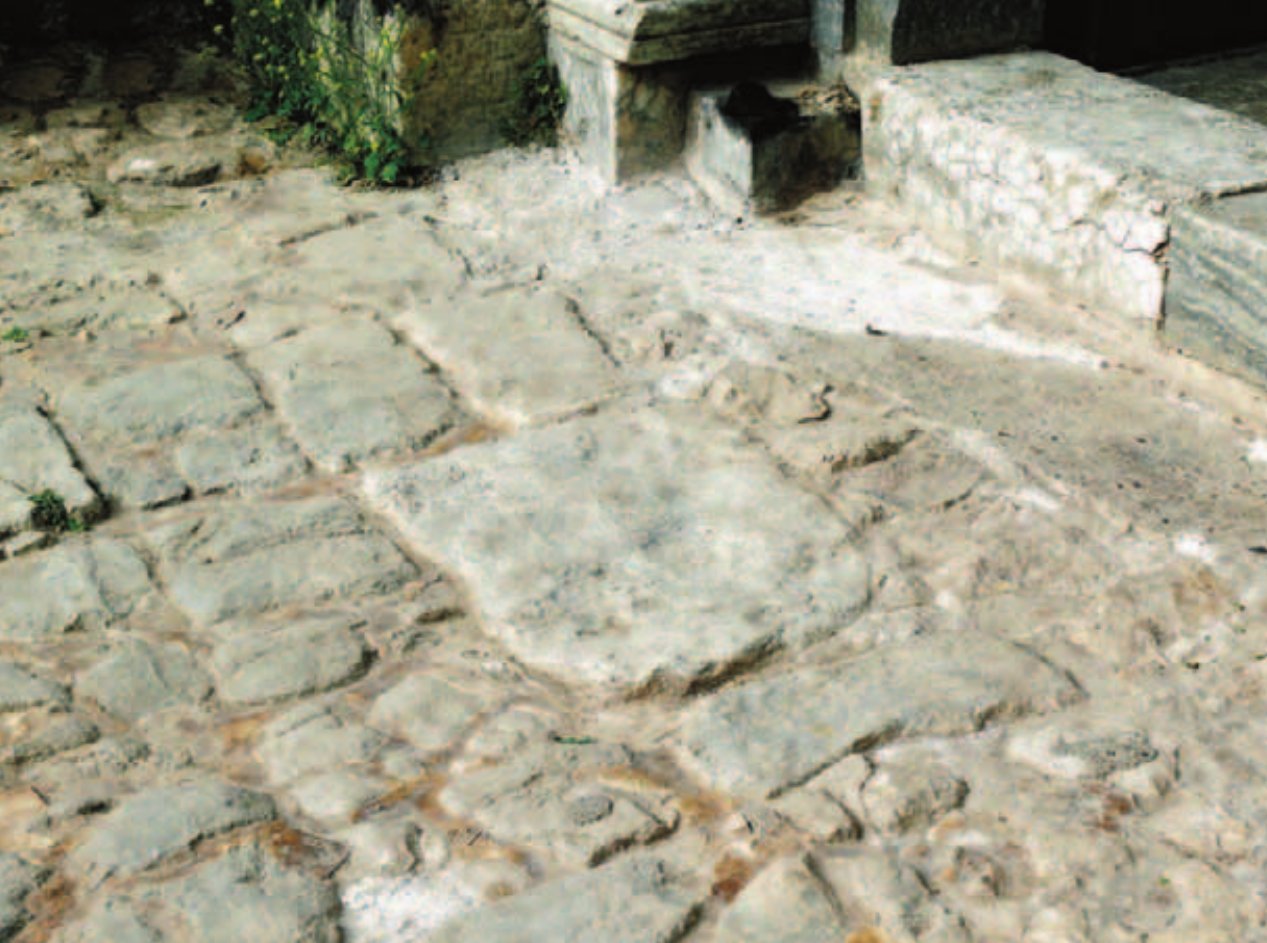
The judgment of the soul
The photo book Lalişa Nûranî tells what happens after the bridge: the soul comes to the Sûka Merîfetê, the "market of knowledge" in Lalîş. There it is called out: "Whose protégé is this soul?" Then its Şêx, P’îr, Merebî and Yar û birê axretê step forward. If they are satisfied with it, they defend the soul and save it from the Zebanî, the guardians of hell. Otherwise the Zebanî beat the soul and throw it into a gorge between the mountains around Lalîş. See The path of the soul through Lalîş.
There are limits to intercession: for the three mortal sins (sê herf), according to Omarkhali (2005), not even the brother of the hereafter can intercede.
The souls without a brother
Şêx Mak’sîm interprets the Zibênî – according to most sources the guardians of hell (thus Pirbari and Lalişa Nûranî) – differently: as souls in need in the hereafter. Among them he counts the dead in unknown graves, the dead without heirs, those killed in war and those who died without a brother of the hereafter. For them every Ezidi brings "nanê zibênya", food for the needy. This interpretation is his own; it stands here alongside the widespread one.
See also
Sources
- Philip G. Kreyenbroek, Khalil Jindy Rashow: God and Sheikh Adi Are Perfect. Sacred Poems and Religious Narratives from the Yezidi Tradition. Wiesbaden: Harrassowitz 2005, p. pp. 11–12, 18, 121, 341–349
- Khanna Omarkhali (Ханна Омархали): Йезидизм. Из глубины тысячелетий (From the depths of the millennia). Saint Petersburg 2005, p. pp. 105–110, 125
- S. A. Grigoriev, L. V. Ivasko, D. V. Pirbari (P’îr Dîma): Lalişa Nûranî / Святой Лалыш / Holy Lalish. Yekaterinburg: Basko 2008, p. pp. 16–19, 28–30, 106–107
- Şêx Mak’sîm (Maksim Ezdi): Grundpfeiler der Religion ScherfeDin, 2017 (on EZDIKI.COM in the Religion section and in the library), p. pp. 68, 75–77, 99–106 (PDF)
- Dimitri Pirbari (P’îr Dîma), A. Ščedrovickij: Тайна жемчужины (The secret of the pearl). Moscow/Tbilisi 2016, p. pp. 178, 194–199, 248, 253 (PDF)
- Khanna Omarkhali: The religious textual tradition of the Ezidis – from the oral to the written. Saint Petersburg 2023 (Russian translation of the English original, Wiesbaden 2017), p. p. 24
Found a mistake?
Is something wrong – a fact, a spelling, a source, an image? Let us know: we check every report and correct the article.
Other spellings: Biraye axirete · Biraye achirete · Biraye akhirete · Biray axirete · Biray achirete · Biray akhirete · Biray axiretê · Bire axrete · Bire achrete · Bire akhrete · Bir axrete · Bira axirete · Bira achirete · Bira akhirete · Xuska axirete · Chuschka achirete · Sheikh · Scheich · Shex · Sheikh Adi