
Guardians of the sacred texts (Qewl û Beyt), of historical tradition and of the musical heritage
The most important Ezidi family of scholars, writers and musicologists in the South Caucasus. Over two generations, Casimê Celîl and his children Ordîxan, Celîl and Cemîla built up the cultural archive of Radio Yerevan and saved thousands of folk songs, historical epics and the sacred religious texts (Qewl and Beyt) from being lost in the Soviet era.
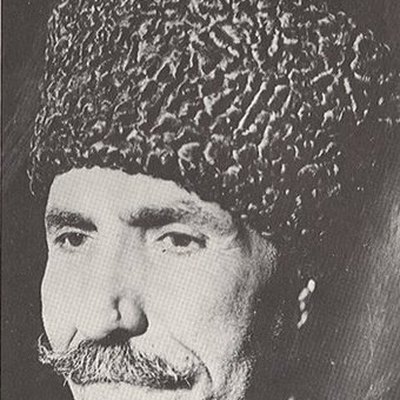
Casimê Celîl (1908–1998): genocide survivor and pioneer
Casimê Celîl (Jasim Jalil) was born on 25 October 1908 in the Ezidi village of Qizilqûlê (Digor district in the province of Kars). In spring 1918, when Ottoman troops attacked the Ezidi villages of the Kars region, his extended family fled towards Eastern Armenia. While crossing the border river Aras and in the massacres and epidemics that followed, his parents and all his close relatives died – ten-year-old Casim was the only child of his family to survive.
He found refuge in the orphanage of Alexandropol (Gyumri), where he grew up together with other Ezidi orphans such as H’eciyê Cindî and Emînê Evdal. After training in Baku and studying education in Yerevan, he became one of the most influential poets, translators and cultural organisers in Armenia:
- Head at Radio Yerevan (from 1954/1955): when the state radio in Yerevan began its daily broadcasts in the mid-1950s, Casimê Celîl was entrusted with running the music and literature department. He brought the best traditional Ezidi singers (Dengbêj) and instrumentalists from Armenia and Georgia into the studio and thus laid the foundation for more than 1,500 recordings.
- Literary work: between 1932 and the 1980s he published numerous volumes of poetry and epics in the Latin and later in the Cyrillic alphabet (among them Elegez, 1954, Roja Min, 1960, and Kurdên Bengî, 1980).
The children of Casimê Celîl: a whole academy in one family
Together with his wife Xanima Rizgo, Casimê Celîl raised his children in the awareness that the oral heritage of their ancestors had to be secured scientifically before the generation of refugees from the Ottoman Empire died out:
- Prof. Dr Ordîxanê Celîl (24 August 1932 – 20 October 2007): philologist, poet and professor at the University of Leningrad (St Petersburg). He specialised in recording and researching the great historical heroic epics (such as Dewrêşê E’vdî, Kela Dimdim and Xanê Lepzêrîn) as well as folk proverbs.
- Prof. Dr Celîlê Celîl (b. 26 November 1936): historian and orientalist at the Academy of Sciences in Yerevan (later in Moscow and at the University of Vienna). He wrote pioneering historical monographs on the history of the 19th and early 20th centuries and built up his own private academic library in Vienna.
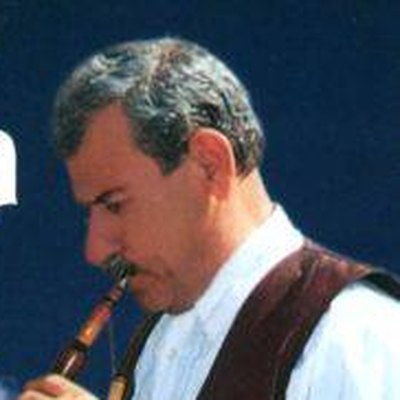
- Cemîla Celîl (b. 19 February 1940): musicologist, composer and graduate of the Komitas State Conservatory in Yerevan. While her brothers recorded the spoken and sung texts, Cemîla Celîl transcribed more than 1,000 traditional melodies, laments, dances and religious tunes into European musical notation (published in the multi-volume collections Stranên Gelêrî).
Saving the sacred texts (Qewl û Beyt) under Soviet censorship
The family’s greatest historical achievement lies in preserving the religious and oral memory of the Ezidis under the conditions of the strictly atheist Soviet Union:
- Secret fieldwork in the villages: since until the end of the 1980s in the Soviet Union neither religious books could be printed nor was the name “Ezidis” permitted on book titles by the state censorship (Glavlit), Ordîxan, Celîl and Cemîla Celîl travelled through the Ezidi villages of Armenia and Georgia from the 1950s under the official cover of “folklore research”.
- Recording with clergy: in the confidence of the families they recorded hundreds of sacred hymns (Qewl, Beyt, Dua, Qesîde and Dîwan) on tape and in manuscripts from very old Ezidi clergy (Şêx, P’îr and Qewal).
- Publication for posterity: the brothers published part of the secular epics and folk songs as early as 1978 in the monumental two-volume standard work “Zargotina Kurda” (published in the Cyrillic alphabet in Yerevan and in the Latin alphabet in Moscow). After the fall of the Soviet Union and a research trip to Lalish and Şingal, they were finally able to publish openly, under their true name, the sacred Ezidi texts they had saved over decades (among others in the volumes Qewl û Beytên Êzdiyan and Zargotina Êzdiyan).
Books in our library



More on EZDIKI.COM
More notable figures
Sources
- Khanna Omarkhali: The Yezidi Religious Textual Tradition. From Oral to Written. Harrassowitz, Wiesbaden 2017
- Ajam Media Collective: Yêrêvan Xeberdide – How a Soviet Armenian Radio Station Preserved Kurdish Culture (2021)
- Phonogrammarchiv der Österreichischen Akademie der Wissenschaften
- Austria-Forum: Celîlê Celîl
- Wikipedia (en): Ordîxanê Celîl
Compiled from the sources listed. We welcome additions and corrections via the contact page. Contact
Other spellings: Casime Celil & die Familie Celil · Malbeta Celil · Malbeta Dschelil · Malbeta Jelil
Found a mistake?
Is something wrong – a fact, a spelling, a source, an image? Let us know: we check every report and correct the article.