
Creator of the Cyrillic alphabet (1946), keeper of the oral cultural heritage and chronicler of the genocide
Creator of the Cyrillic alphabet of 1945/1946, literary scholar and the most important collector of oral tradition in the 20th century. Rescued as an orphan of the genocide of 1918, he saved thousands of songs, epics and prayers from oblivion and erected a literary monument to the heroes of 1915–1918 with his historical novel “Hewarî”.
Flight from the genocide in 1918 and rescue in the orphanage
H’eciyê Cindî (Hajiye Jindi Jewari) was born on 18 March 1908 into an Ezidi family in the village of Yamançayir near Kars. During the Ottoman offensive in spring 1918 his family had to flee under dramatic circumstances across the border river Aras into Eastern Armenia. Through massacres, hunger and the subsequent typhus epidemics, ten-year-old H’eciyê lost his parents and almost all his relatives.
In 1919 he was taken in by an American orphanage of the relief organisation Near East Relief (later a Soviet orphanage) in Alexandropol (today Gyumri). There he survived the years of famine, learned to read and write and completed the teacher-training college by 1929. He then studied philology at Yerevan State University (graduating in 1933) and was later appointed professor and Doctor of Philological Sciences at the Academy of Sciences of the Armenian SSR as the first scholar of his community.
Radio pioneer and victim of Stalinist persecution (1930–1939)
From 1930 H’eciyê Cindî was on the editorial staff of the newspaper Rya Teze and took on a historic pioneering role in the media:
- The first radio broadcasts: in the early 1930s H’eciyê Cindî led and presented the first cultural and music programmes in the mother tongue at Radio Yerevan – the foundation of the world-famous radio archive that for decades carried traditional songs and news into Ezidi homes.
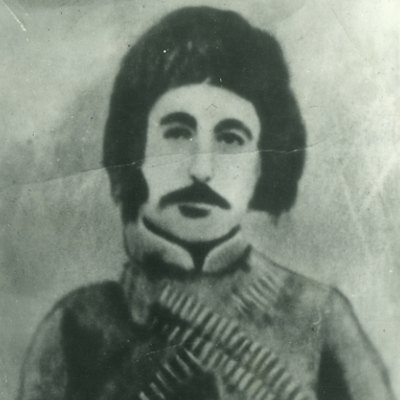
- Arrest by the NKVD (1937–1939): on 18 March 1937 – at the time of the arrests of military heroes such as Cangîr Ax’a and the administrative removal of the category “Ezidis” by the Stalin regime – H’eciyê Cindî was also arrested by the Soviet secret service NKVD on the fabricated charge of “nationalism” and “espionage”. Despite harsh interrogations in the Yerevan prison he steadfastly refused to sign false confessions. In 1939 he was released and fully rehabilitated.
The development of the Cyrillic alphabet (1945/1946)
In the 1940s the Soviet leadership ordered the standardisation of writing systems in the USSR on a Cyrillic basis. H’eciyê Cindî received the official scholarly commission to work out a new alphabet for the schools and publishers in the Armenian SSR:
- Introduction in 1945/1946: H’eciyê Cindî created a phonetically exact Cyrillic alphabet (with special additional letters for the sounds of the language) and in 1946 published the official primer (“Elîfba”), which in numerous new editions was taught in all schools for more than four decades.
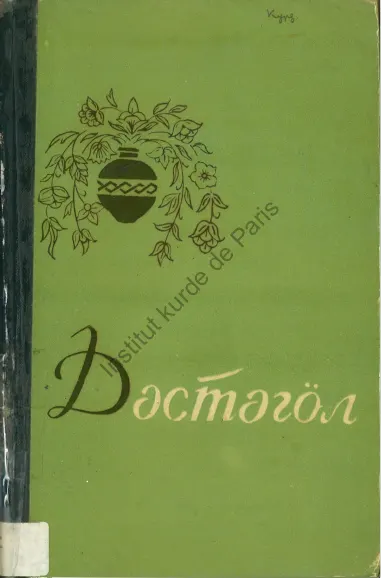
- Foundation of the library: almost all the books, textbooks, dictionaries and volumes of poetry printed in the Armenian SSR between 1946 and 1990 – which are preserved today in the library of this website – are written in the Cyrillic alphabet created by H’eciyê Cindî.
Life’s work: keeper of folklore and author of “Hewarî”
For over 60 years H’eciyê Cindî devoted himself to the systematic collection and rescue of the oral literature of the Ezidis before the generation of survivors from the Ottoman Empire passed away:
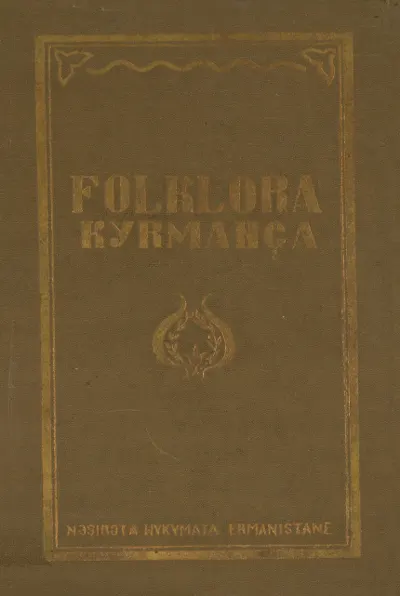
- The great folklore archives: after the first collection Folklora Kurmanca (1936, with Emînê Evdal) he published dozens of scholarly text volumes with thousands of recorded folk songs, proverbs, fairy tales, historical epics (Eposa Memê û Zînê, Kerr û Kulik, Dimdim) and religious-cultural traditions.
- The historical novel “Hewarî” (1967): his most famous prose work of his own is the great documentary novel “Hewarî” (The Cry for Help, Yerevan 1967). Based on eyewitness accounts, historical documents and his own childhood memories, H’eciyê Cindî erected in it a lasting literary monument to the Ezidis’ struggle for survival between 1915 and 1918, to the heroism of Cangîr Ax’a and Ûsivê Beg in the Battle of Bash Abaran and to the rescue of the orphans in Armenia.
At the end of his life H’eciyê Cindî still witnessed the beginning of the civil rights movement of 1988/1989 for the official re-recognition of the Ezidis in Armenia. He died on 1 May 1990 in Yerevan at the age of 82. His five daughters (among them the scholars Firîda and Nûra Cewarî) carried on his scholarly and musical legacy.
Books in our library
More on EZDIKI.COM
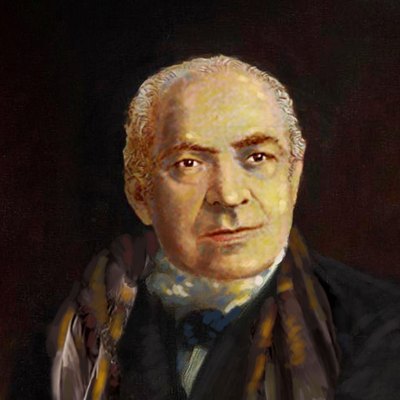
More notable figures
Sources
- Khanna Omarkhali: The Yezidi Religious Textual Tradition. From Oral to Written. Harrassowitz, Wiesbaden 2017
- Christine Allison: Yazidis i. General. Encyclopædia Iranica
- soL Haber: Heciyê Cindî (2022, türkisch)
- Wikipedia (en): Heciyê Cindî
Compiled from the sources listed. We welcome additions and corrections via the contact page. Contact
Other spellings: Heciye Cindi · Hedschiye Dschindi · Hejiye Jindi · Heciy Cindi · Hedschiy Dschindi · Hejiy Jindi · H’eciy Cindî · Hajiy Jindi
Found a mistake?
Is something wrong – a fact, a spelling, a source, an image? Let us know: we check every report and correct the article.