
Educator of the orphan generation, textbook author and researcher of Ezidi culture
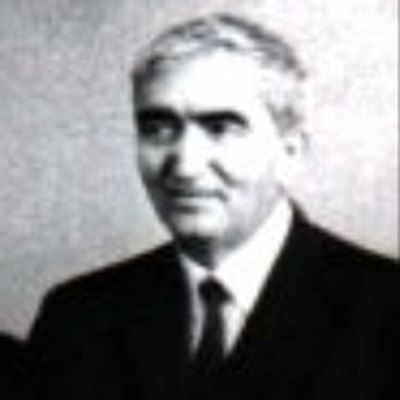
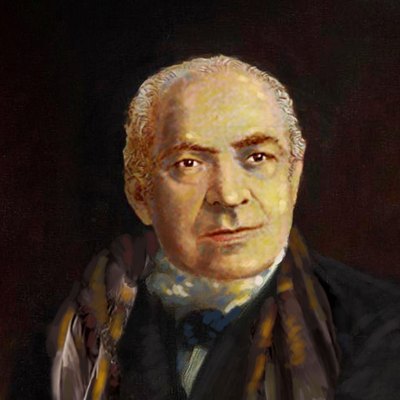
Ezidi educator, historian, ethnographer and poet. A survivor of the genocide, he grew up in an orphanage, wrote the most important textbooks for Ezidi children in Armenia from the 1930s and left fundamental scholarly works on the customs, family life and culture of the Ezidis in the South Caucasus.
The tragedy of the flight in 1918 and childhood in the orphanage
Emînê Evdal (in Armenian and Russian documents Amin Avdalovich Avdalyan) was born on 15 October 1906 in the Ezidi village of Yamançayir in the province of Kars – the same village from which his lifelong companion H’eciyê Cindî also came.
When in spring 1918 the Ottoman troops marched into the Kars region and committed massacres of the Ezidi and Armenian population, his family fled towards Eastern Armenia. In the desperate attempt to cross the flooded border river Aras, a tragedy occurred: during the flight Emînê Evdal lost his parents, his brother and his sister. Completely destitute and badly traumatised, the twelve-year-old orphan first made his way to Tbilisi, worked as a shepherd boy in the mountains and was finally taken in by an orphanage in Alexandropol (Gyumri) and later in Tbilisi, where he received schooling for the first time.
From orphan to teacher and scholar
Despite the loss of his entire family, Emînê Evdal stood out for his extraordinary will to learn:
- After graduating from the workers’ faculty (Rabfak) in Tbilisi, he moved to Armenia in 1926 and taught as one of the first young village teachers in the Ezidi settlements on Mount Aragats (among others in Karvansara and Elegez).
- From 1931 he studied at the Faculty of Philology of Yerevan State University (graduating in 1936) and later (1944) obtained a doctorate in historical sciences (with a focus on ethnography) at the Institute of History of the Academy of Sciences of the Armenian SSR.
Textbooks, poetry and the rescue of oral tradition
Emînê Evdal saw his life’s task in enabling the children of the genocide survivors to be educated in their own language and in saving the knowledge of their ancestors from dying out:
- The author of the textbooks: from 1933, over three decades, he wrote numerous official reading and language textbooks for grades 1 to 7 of the schools in the Ezidi villages of Armenia – first in the Latin and from 1946 in the Cyrillic alphabet. Generations of Ezidis in Armenia learned to read and write from the books of Emînê Evdal.
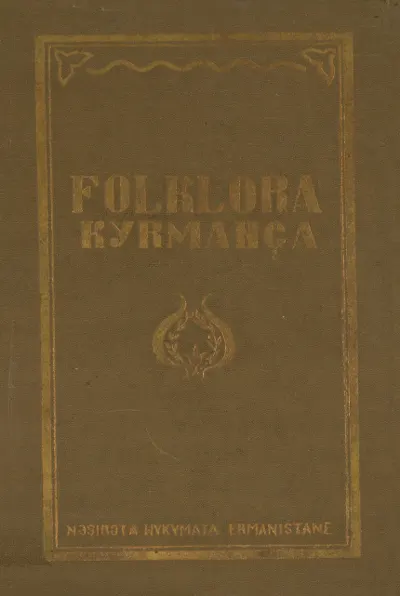
- Collecting folklore (1936): together with H’eciyê Cindî he travelled from village to village in the early 1930s and recorded hundreds of historical songs, epics, fairy tales and prayers from the mouths of the old refugees from Van, Kars and Surmalu. This resulted in 1936 in the monumental work “Folklora Kurmanca”, more than 600 pages long, which saved an invaluable part of the oral cultural heritage.
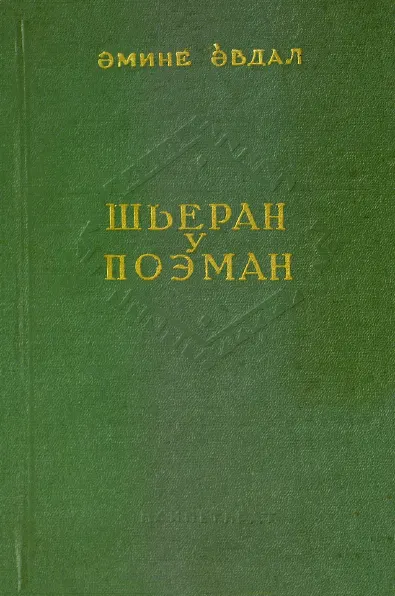
- Literary work: in his volumes of poetry and poems (among them his first book “Casim” of 1935, “Buhar” and stories about the fate of the orphans of 1915/1918), he worked through the pain of the flight and the rebuilding of the community at the foot of Aragats.
Scholarly research into the Ezidi way of life (ethnography)
As a historian and ethnographer with a doctorate at the Academy of Sciences in Yerevan, Emînê Evdal wrote fundamental scholarly monographs in Armenian and Russian in the 1940s and 1950s:
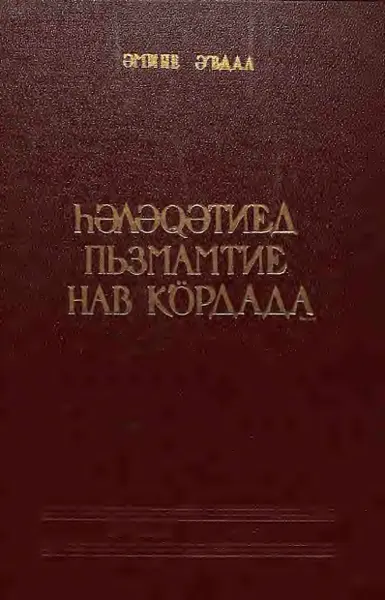
- In his studies – among them “The Way of Life of the Kurds-Ezidis of Transcaucasia” (Быт курдов-езидов Закавказья / Անդրկովկասյան քրդերի կենցաղը, 1957) and “The Woman in the Patriarchal Family” (1948) – he documented with scholarly precision the traditional family structure, wedding and burial rituals, the caste system (Şêx, P’îr, Mirîd), customary law and the religious customs of the Ezidis in the South Caucasus.
Emînê Evdal died on 22 September 1964 in Yerevan at the age of only 57. In recognition of his services to education, among other things the school in the Ezidi village of Qundexsaz was named after him.
Books in our library
More on EZDIKI.COM
More notable figures
Sources
- Большая советская энциклопедия: Аминэ Авдал (Lebensdaten)
- Garnik Asatrian & Victoria Arakelova: The Ethnic Minorities of Armenia. Jerewan 2002
- Rûdaw (Kurmancî): Neuauflage von „Folklora Kurmanca“ (2025)
- Wikipedia (en): Emînê Evdal
Compiled from the sources listed. We welcome additions and corrections via the contact page. Contact
Other spellings: Emine Evdal · Emin Evdal · Emîn Evdal · Amin Avdal
Found a mistake?
Is something wrong – a fact, a spelling, a source, an image? Let us know: we check every report and correct the article.