
Mayan Xatûn (1874–1957) was one of the most important women in Ezidi history. After the murder of her husband, Mîr Elî Beg, she conducted the affairs of the Mîr family for over 40 years as guardian of her son and later of her grandson. John S. Guest calls her the de facto ruler of the Ezidis in the first half of the 20th century.
Origin
Mayan Xatûn was born in 1874. Her father Ebdî Beg was a younger brother of Mîr Huseyn Beg; he had at times led the Ezidis as governor and died in 1888. Her mother Xomî was a daughter of Mîr Cesim Beg, the last Mîr from the elder branch of the Çol family. Her maternal half-brother was Îsmayîl Beg.
Marriage and exile
At the age of 18 she married Elî Beg. She lived through the persecution of 1892/93 and the torture of her husband and shared his exile in northern Anatolia. Several of her children died young; only her son Seîd Beg survived.
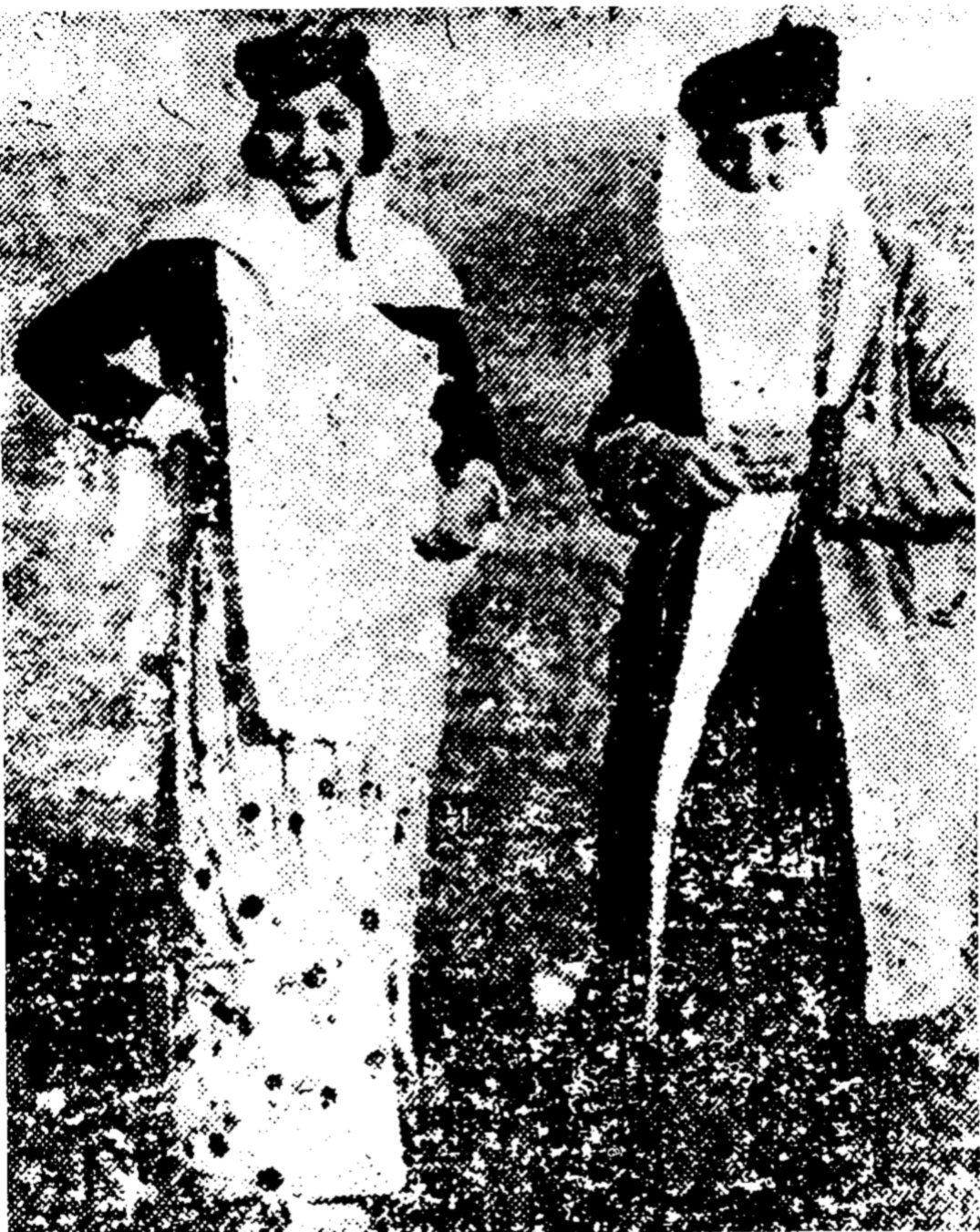
Gertrude Bell met her in Bacidrê in 1909. She wore a gown of purple cotton, a black jacket, a velvet cap over a muslin veil that covered her head and chin but left her face free, and heavy gold bracelets with turquoises. She spoke only Êzdîkî.
Revenge and guardianship (1913)
When Elî Beg was murdered in 1913, Mayan Xatûn, according to her own account, had the family of the main suspect from the Basmariya clan killed and adopted only the two daughters as her own children. As a widow she at first wore a red dress – a sign of implacable revenge – and then black for a year. She became guardian of the young Mîr Seîd Beg and administrator of the revenues.
Rule
- In the First World War, according to Guest, she kept the Ezidis of Şêxan out of the fighting through prudence.
- After 1918 she showed Lalîş to the British officer Leachman and, together with Hemo Şero, mediated the division of the Sencaq revenues between Seîd Beg and Îsmayîl Beg. A British officer judged that Seîd Beg was “entirely guided by his mother”.
- In 1925 she came to Şengal herself to settle the dispute over the Sencaq.
- A Times correspondent saw her in 1924 holding court by an open fire in a high, smoke-blackened hall of the women's quarters. Henry Field described her in 1934 as tall and stern, with a nun-like white veil around her face and dark blue, floor-length robes.
- After the death of Seîd Beg in 1944 she had her 13-year-old grandson Tahsîn Beg installed as Mîr, because he was of nobler birth than his brothers, and became his regent.
Judgment of contemporaries
Sadiq Damlujî described her in 1949 as clever, far-sighted, feared and respected, but also as stingy, suspicious and harsh toward her opponents. According to Damlujî she accompanied Elî Beg into exile in Sivas for three years; other sources name Kastamonu.
Mayan Xatûn died on December 31, 1957 at the age of 83. On the history of her time see The Ezidis in Iraq 1914–1957.
Additions according to Fuccaro (1999) and Lescot (1938)
- Guardianship 1913: According to Nelida Fuccaro, in 1913 many Ezidis from Şêxan and Şengal asked the Ottoman government to confirm Seîd Beg as Mîr. The Ottomans thereupon gave Mayan Xatûn the guardianship and threatened Îsmayîl Beg, who claimed the office, with expulsion from the province of Mosul.
- Kinship: Fuccaro calls Îsmayîl Beg a brother of Mîr Elî Beg; according to Guest he was a half-brother of Mayan Xatûn by the same mother (see above). The statements contradict each other.
- Revenues after 1944: According to Fuccaro, after the death of Seîd Beg Mayan Xatûn as regent received one third of the Mîr's revenues; a further third each went to the other princes and to the upkeep of the sanctuary of Şêx Adî.
- Marriage rule: Lescot states that the Mîr's family allegedly marries only within its own family or into the Şêx family Şê Evdelqadir; he himself marks this as uncertain.
Sources
- John S. Guest: The Yezidis. A Study in Survival. London/New York 1987, p. 209–236
- Nelida Fuccaro: The Other Kurds. Yazidis in Colonial Iraq. London 1999, p. 21, 137
- Roger Lescot: Enquête sur les Yezidis de Syrie et du Djebel Sindjār (Study of the Ezidis of Syria and of the Şengal mountains). Beirut 1938, p. 85
Found a mistake?
Is something wrong – a fact, a spelling, a source, an image? Let us know: we check every report and correct the article.
Other spellings: Mayan Xatun · Mayan Chatun · Mayan Chanim · Mayan Khanim · Meyan Xatun · Meyan Chatun · Meyan Khatun · Emir · Ezidiki · Ezdeki · Shekhan · Scheichan · Shaikhan · Lalish · Lalisch · Lalesh · Sanjaq · Sandschak · Sancak · Sinjar