
Şêx Adî (1073–1163) is one of the most important figures of Ezidi history. According to the Ezidi understanding he was a renewer of the religion Şerfedîn: he changed it in details but left its essence untouched.
Significance
- Şêx Adî ordered religious life and closed the religion off from other religions. As a result it was preserved over the following centuries.
- The caste of the Şêx is regarded as the caste of Sultan Şêxadî.
- This renewal in the 12th century was the last significant reform of the religion.
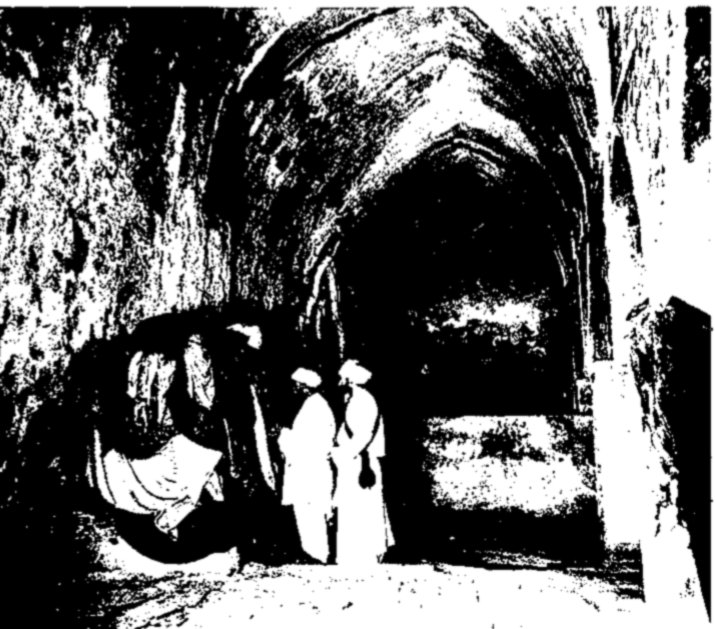
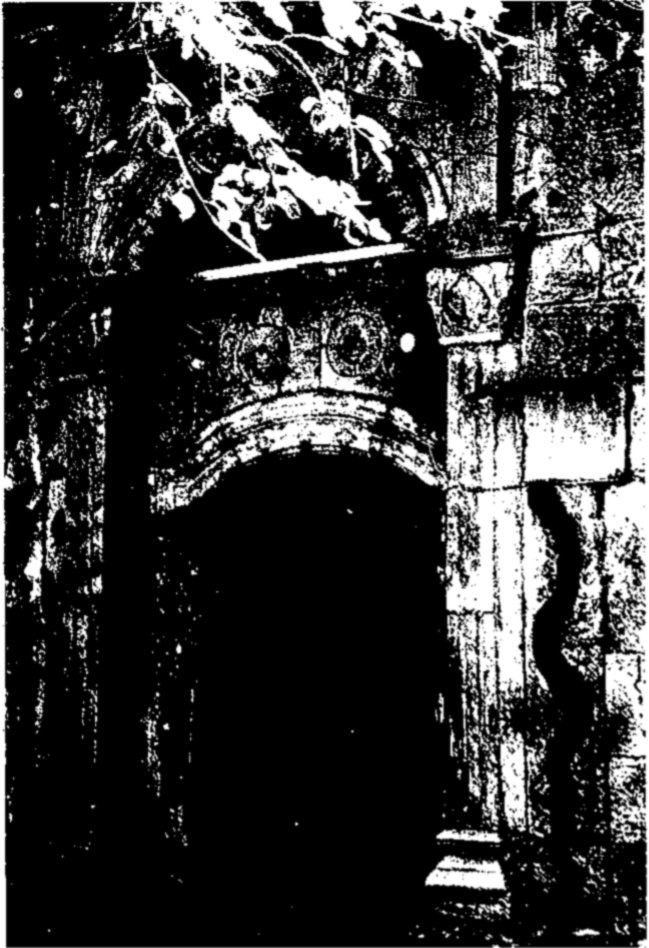
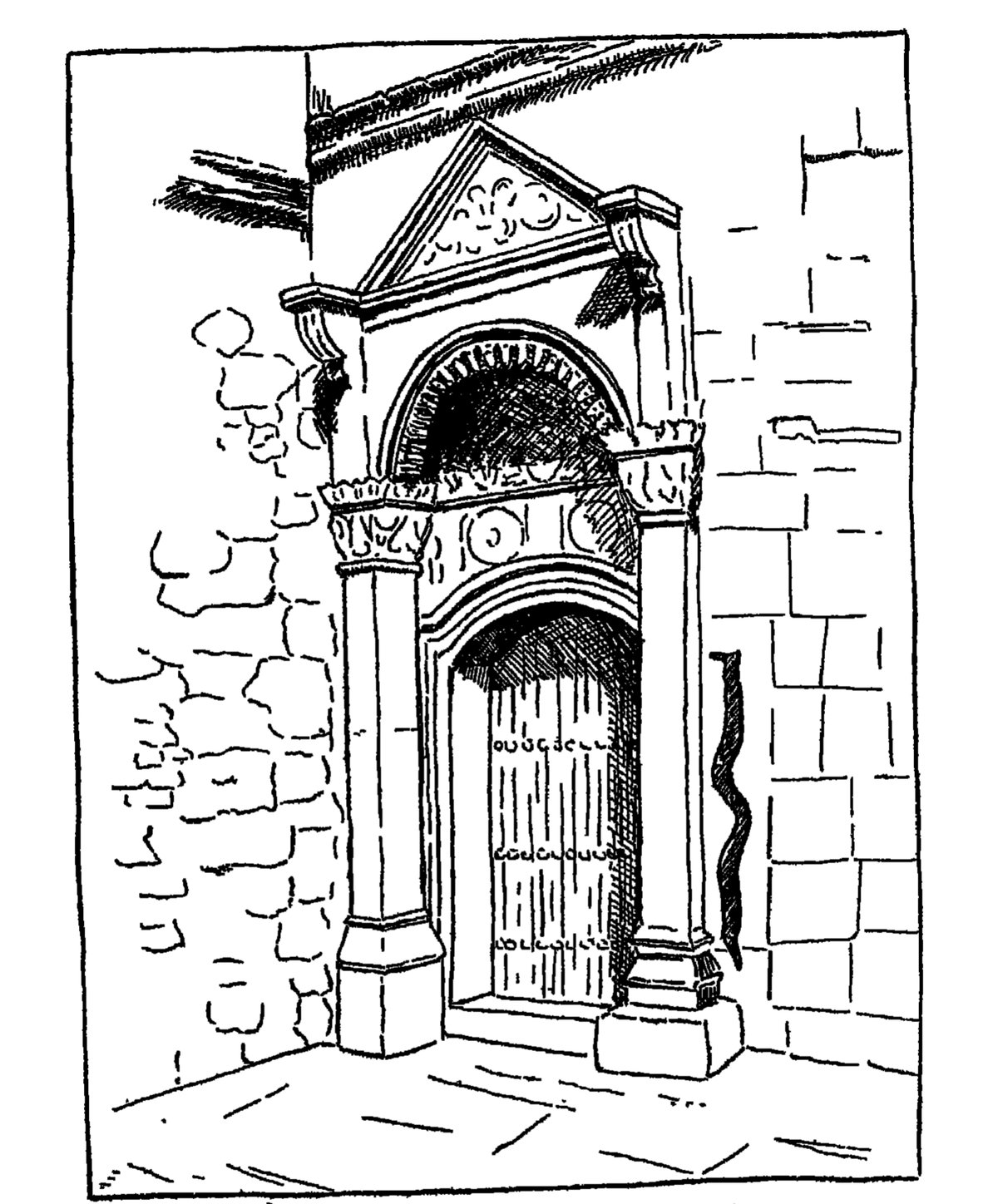
- Şêx Adî died in Lalîş in 1163. His sanctuary is to this day the most important place of pilgrimage of the Ezidis.
Demarcation
It is often claimed that the religion of the Ezidis arose only in the 12th century through Şêx Adî, or that it is a mixture of Islam, Christianity and Zoroastrianism. Ezidi clergy and Perminov too contradict this: Şêx Adî, they say, renewed an existing, much older religion.
Course of life according to historical sources
John S. Guest presents the life of Şêx Adî according to Arabic biographies:
- Origin: Born around 1075 in the village of Beit Far (today Khirbet Qanafar) on the western edge of the Bekaa plain in present-day Lebanon, about 60 km south of Baalbek. His father was called Musafir, his mother according to Guest Yezda. The family traced its descent to the Umayyad caliph Marwan. The graves of the parents and of a sister lie under an old oak above the Bekaa plain.
- Education: He studied in Baghdad with several teachers, together with the later famous Abd al-Qadir al-Gilani.
- Lalîş: Around 1100 he withdrew to the valley of Lalîş, which was then inhabited by the Hakkari tribe. His epithet changed from “the Syrian” to “the Hakkarî”. In 1116 he made the pilgrimage to Mecca with al-Gilani; otherwise he lived in Lalîş until his death.
- Way of life: He was regarded as very pious and frugal, lived on fruits he grew himself and dressed in cotton from his own field. Visitors came from far away, allegedly even from Morocco. Around 1160 he spoke in Mosul; a contemporary described him as of medium height and of brownish complexion.
- Death: He died in January 1162, over 90 years old, and was buried in Lalîş.
Several writings in Arabic are attributed to him; the most important manuscript (Damascus 1509) is today in the State Library in Berlin.
Traditions
According to Ezidi tradition, Şêx Adî was miraculously born to an old couple and left his parental home at the age of 15. He is then said to have laid down the order of the community with its estates and rules at a great assembly. Also according to tradition, he warned against written books – one reason why the Ezidis long passed on their knowledge only orally.
Differing dates
Perminov gives the dates of his life as 1073–1163, Guest as around 1075 – January 1162. On the further history of his successors see The Adawiya community after Şêx Adî.
Sources
- A. V. Perminov: Езиды – древний народ Адаби (The Ezidis – the ancient people Adabi). Sharya 2016, p. 56, 78–79, 86–87
- John S. Guest: The Yezidis. A Study in Survival. London/New York 1987, p. 31–36, 136 (ill.)
- E. S. Drower: Peacock Angel. Being some Account of Votaries of a Secret Cult and their Sanctuaries. London 1941, p. p. 195 (PDF 236, ill.)
Found a mistake?
Is something wrong – a fact, a spelling, a source, an image? Let us know: we check every report and correct the article.
Other spellings: Sexadi · Schechadi · Shekhadi · Sultan Sexadi · Sultan Schechadi · Sultan Shekhadi · Sex Adi bin Musafir · Sheikh Adi · Scheich Adi · Shaikh Adi · Shikhadi · Sheikh · Scheich · Shex · Lalish · Lalisch · Lalesh · Mossul · Mûsil · Eziden