
When the first Ezidis came to the Caucasus is not known. Well documented, by contrast, is the great immigration in the 19th century, when Ezidi tribes moved from Serhed into the territory of present-day Armenia.
Serhed
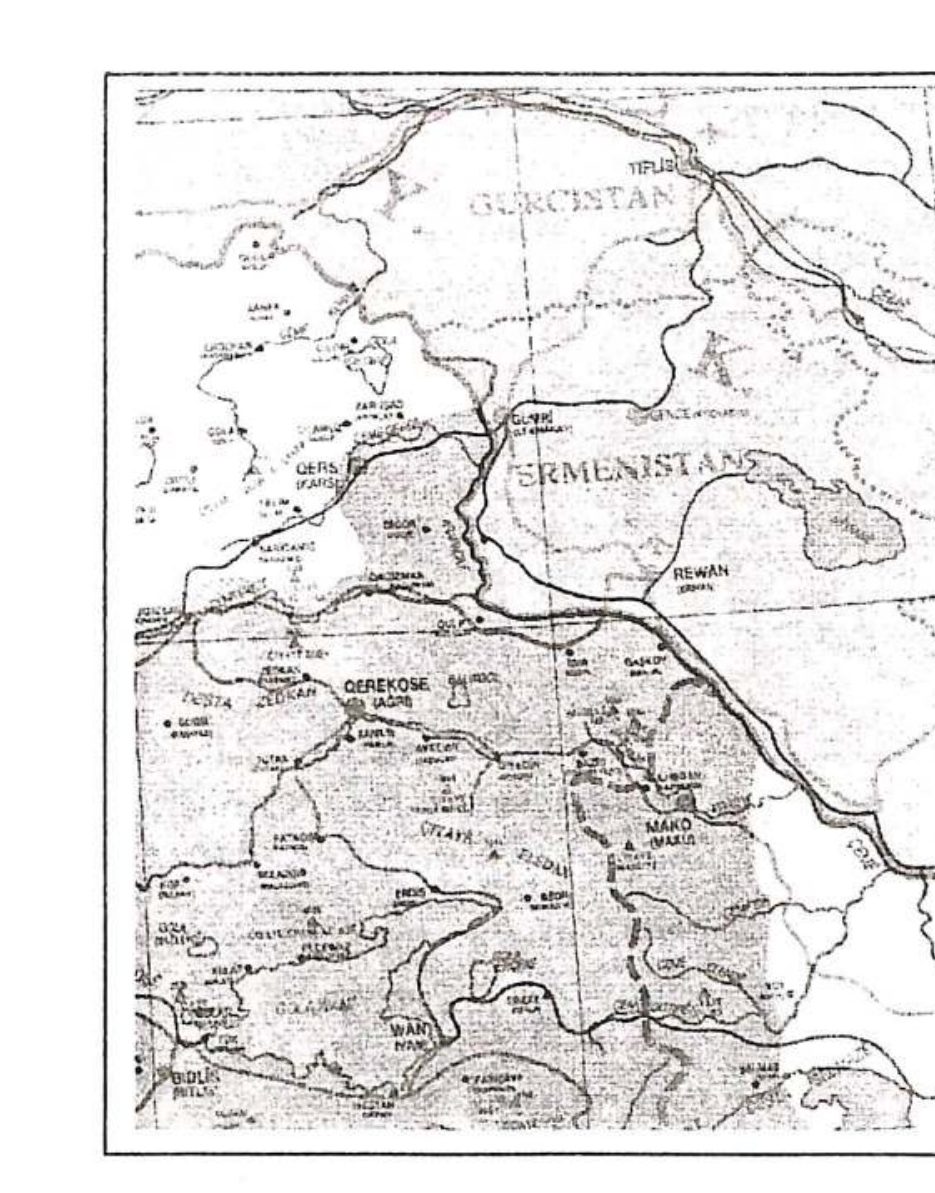
Serhed (“borderland”) was the name for the area on the border between the Ottoman Empire and Persia as it had existed since the treaty of 1639 – with Bazîd, Van, Kars and the Ararat plain. In the 18th century many Ezidi tribes lived here under the leadership of the Kok Axa family. The tribes were stock breeders and moved to the mountain pastures in summer.
Reasons for the migration
In Serhed the Ezidis were oppressed by Ottoman governors and by Kurdish Axas, Begs and clergy: in 1811 an Ottoman Ferman was issued against them, and in addition there were disputes over pasture land with Muslim Kurdish nomadic tribes and blood feuds. At the same time Russia was advancing into the South Caucasus (Georgia 1801, wars against Persia 1804–1813 and 1826–1828, against the Ottoman Empire 1828–1829). Many Ezidis saw protecting powers in the Christian states of Russia, Georgia and Armenia.
The stages
| Time | Event |
|---|---|
| around 1815–1830 | After the end of Kok Axa rule, Serhed Ezidis move across the Aras into present-day Armenia and found villages on Mount Elegez (Aragats) and in the Aparan area. |
| 1826–1828 | Mirzikê Zaza, head of the “Xalta” Ezidis, writes letters to the Russian commander-in-chief. |
| 1828 | Through the Treaty of Turkmenchay the Khanate of Erivan passes to Russia. Hesen Axa goes over to the Russian side with the horsemen of the Hesinî tribe and settles in Surmelî. |
| 1828–1832 | Resettlement of the Hesinî in the villages on Mount Sinek. |
| around 1840–1880 | Great resettlement of the Hesinî under Temir Axa. |
| after 1878 | After the Russo-Ottoman War, Sîpkî Ezidis come to the Kars region. |
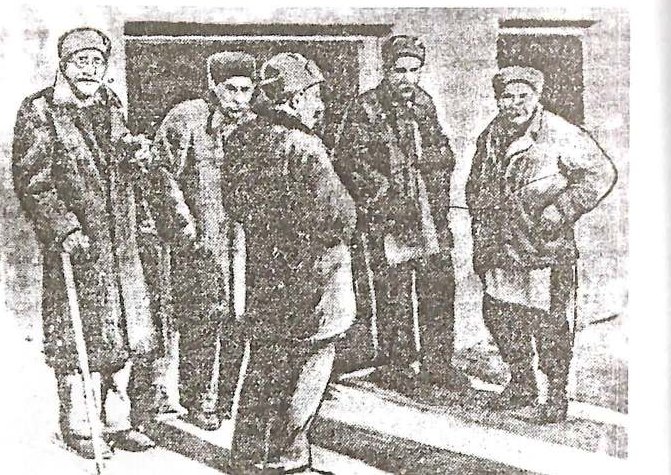
The last great wave followed in the First World War, when the Ezidis of Serhed fled from the genocide – see The genocide of 1918 in Armenia.

Theses about earlier times
Eskerê Boyîk suspects that Ezidis already lived as far as Lake Van and Ararat in the time of Şêx Adî, and connects the self-designation of some tribes as “xaltî” with the ancient kingdom of Urartu. Both are a thesis of the author.
Sources
- Eskerê Boyîk: Bi Kurtayî Dîroka Êzidiyên Ermenistanê (A short history of the Ezidis of Armenia). Diyarbakır 2016, p. 9–10, 17–38
- Karam Ankosi: Племена езидов на Южном Кавказе и в Германии (The tribes of the Ezidis in the South Caucasus and in Germany). Tbilisi 2004, p. 92 (ill.)
Found a mistake?
Is something wrong – a fact, a spelling, a source, an image? Let us know: we check every report and correct the article.
Other spellings: Surmeli · Serhat · Serhad · Qers · Firman · Fermans · Alagyaz · Alagjas · Abaran · Bash-Aparan · Jerewan · Eriwan · Yerevan · Tbilisi · Tbilissi · Sheikh Adi · Scheich Adi · Shaikh Adi · Şêxadî · Shikhadi