
In the First World War, Serhed was emptied of its Ezidi inhabitants. The Ezidis from Iğdır, Kars and Van fled from Ottoman troops and Kurdish neighbors, who acted from religious motives, into the territory of present-day Armenia.
Before the catastrophe
According to the tradition of the elders, before the war there were about 81 Ezidi villages in the Russian Empire and in the Vilayet of Van: 13 in Aparan, 27 in Surmelî, 16 in the Kars region, 18 in the Van region and 6 in the Çuxur plain.
Flight and fighting
- Geliyê Zila (probably late autumn 1914/15): A column of refugees of Armenians and Ezidis – according to tradition 15,000 to 20,000 Ezidis – was attacked in the Zila valley by Hamidiye regiments (Kurdish tribal cavalry of the Ottoman army) and Ottoman soldiers and surrounded for ten days; hundreds died every day. Only Armenian volunteers and Russian troops freed the survivors.
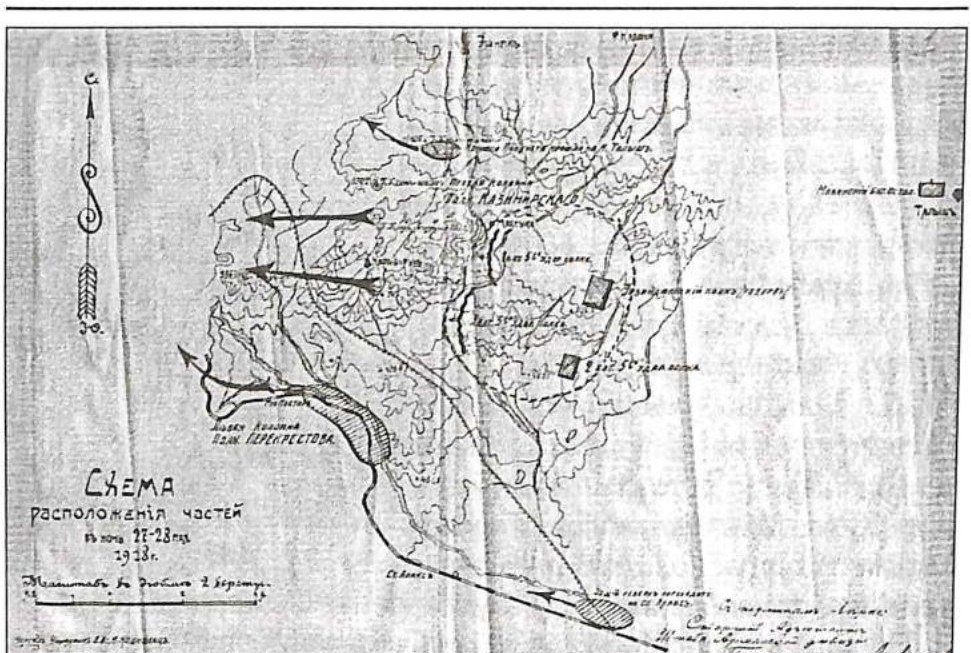
- After the October Revolution of 1917 the Russian army withdrew. In 1918 Ottoman troops with Hamidiye regiments took Kars and advanced against Alexandropol, Sardarabad, Karakilisa and Bash Aparan.
- While crossing the Aras many refugees drowned; according to tradition the river was full of dead.
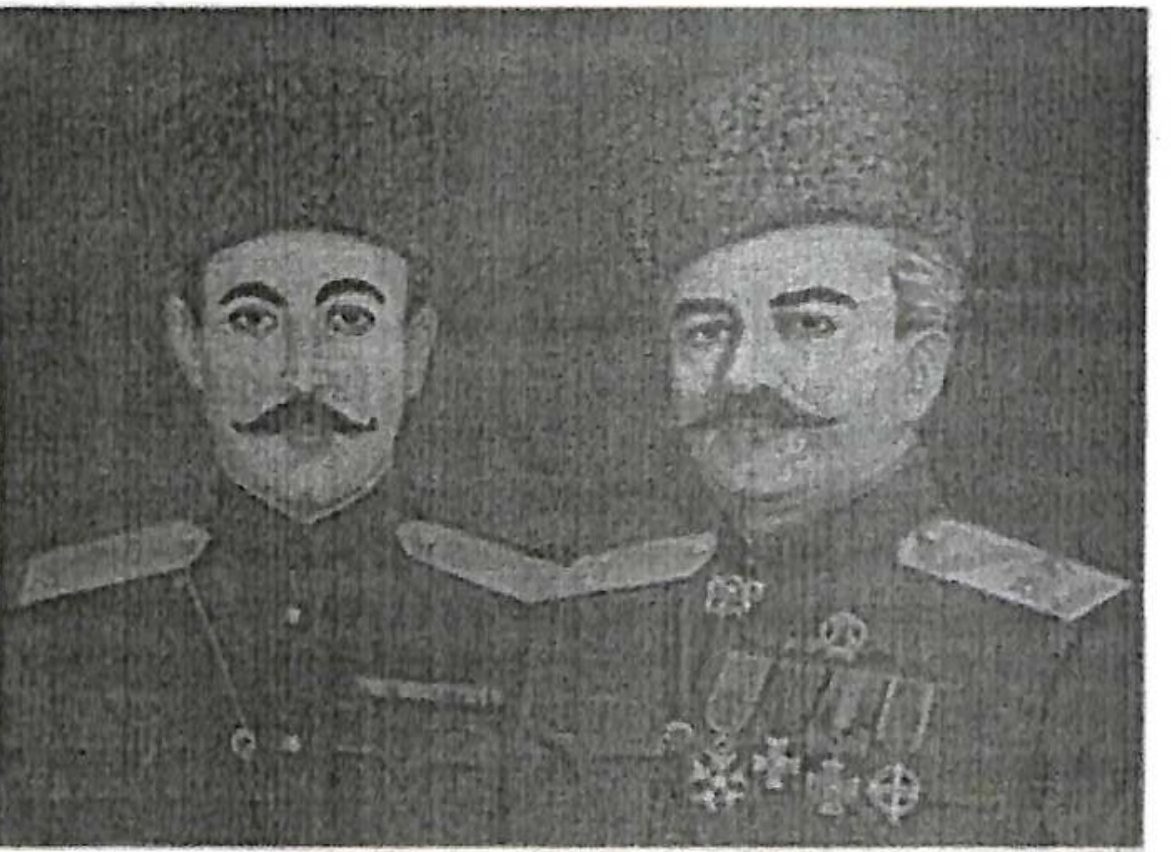
- In the battle of Sardarabad (May 1918), 700 Ezidi horsemen under Cihangîr Axa and Ûsiv Beg fought on the Armenian side.


The massacre on Elegez (autumn 1918)
In the autumn of 1918 Ottoman troops advanced from Gyumri into the Ezidi villages on Elegez. Some of the inhabitants fled to Yerevan. Those who stayed behind were gathered; in one night hundreds of men were murdered in the gorge between Camûşvana Mezin (today Elegez) and Pampa Kurdan (today Sîpan). From Camûşvana Mezin alone 72 to 75 men were killed. Over 100 men were carried off to Turkey and never returned. The troops also destroyed the old grave monuments of the villages. Shortly afterwards Cihangîr Axa’s horsemen, together with Armenian troops, were victorious in the battle of Bash Aparan.
Consequences
After the battle of Bash Aparan cholera broke out. Eskerê Boyîk estimates that in 1918–1920, in Armenia alone, 40 to 60 percent of the Serhed Ezidis perished, about 4000 to 5000 people. In 1921 only 8500 Ezidis still lived in Armenia. Many refugees, especially Zuqurî and Sîpkî, fled to Tiflis, where a large Ezidi community arose.
Remembrance
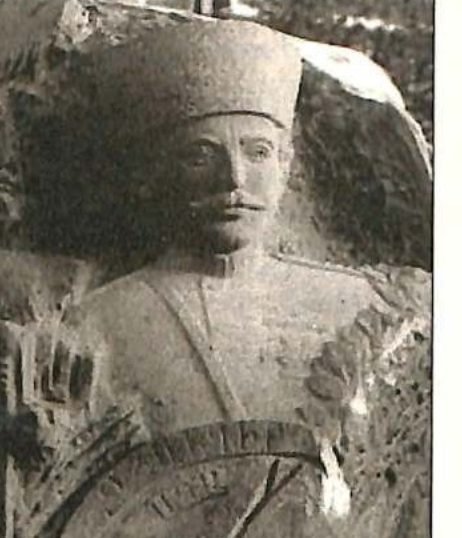
In the old cemetery of Qundexsaz (today Rîya Teze), the surviving grave monuments show the style of the Serhed Ezidis: domed tombs (kumbet) for respected men, horse figures for horsemen and heroes, and cradle shapes (bêşik) for children.
Additions according to T’amoyan’s school textbooks
The Ezidi school textbooks by E’zîz T’amoyan and his co-authors (2012–2014) contain their own texts on 1918. They are an inside view and mostly give no evidence.
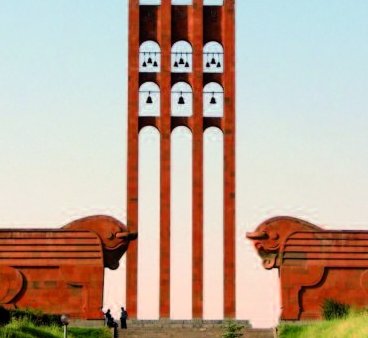
- Sardarapat (May 22–26, 1918): According to a text by Tiharê E’mer (b. 1922) in the grade 5 textbook, Cangîr Axa fought with 700 horsemen, 100 of them from Ûsiv Beg’s tribe; the Hesinî fought on the orders of Ûsiv Beg. The book cites Armenian voices on this, for instance an article in “Sovetakan Hayastan” of May 22, 1988 and the academician Gevorg Gharibjanyan. A picture of Cangîr Axa hangs in the Sardarapat memorial.
- The villages on Aragats in 1918: According to a list by E’zîz T’amoyan (grade 6, repeated in grades 9 and 11), in 1918 armed men under the Kurdish leader Teyo Beg killed about 800 people near Elegez, Qundexsaz, Qur’ibog’az and Cercerîs; in Karvanserê (today Saduns) 54 were killed, and about 600 people from the villages of the area were carried off into the Ottoman Empire. Near Giresor close to Şamîran, 24 people were killed in one day, among them a woman. According to the same list, about 4,000 Ezidis drowned while crossing the Akhurian and the Aras.
- Bash Aparan: According to Tiharê E’mer (grade 9), in Camûşvana Mezin (today Elegez) over 200 men were killed in one night and in the Ezidi villages about 500 in total; Teyo Beg is said to have killed the son of the Sîpkî leader Elî Axa in the latter’s house. These figures lie considerably above those of Eskerê Boyîk (72–75 dead from Camûşvana Mezin, see above); the sources contradict each other.
- Total figure: T’amoyan’s list ends with an estimate of about 500,000 Ezidi victims in 1915–1918 in all areas (Iraq, Western Armenia, Kars, Surmelî, Armenia). It gives no evidence and lies far above other estimates; the list is valuable above all for the names of places and villages.
- Genocide declaration of 2012: On April 28, 2012, the National Academy of Sciences of Armenia and the Genocide Museum-Institute, on the instructions of the prime minister, declared the crimes against the Ezidis in the Ottoman Empire 1915–1918 a genocide (grade 9; see The Ezidi movement in Armenia since 1988).
Sources
- E’zîzê Gerdenzerî: Cangîr Ax’a – Drama dîrokî (historical drama with a biographical introduction). Yerevan 2019, p. 102 (ill.)
- Eskerê Boyîk: Bi Kurtayî Dîroka Êzidiyên Ermenistanê (A short history of the Ezidis of Armenia). Diyarbakır 2016, p. 109, 141–149, 161–167
- Karam Ankosi: Племена езидов на Южном Кавказе и в Германии (The tribes of the Ezidis in the South Caucasus and in Germany). Tbilisi 2004, p. 89 (ill.)
- E’zîzê E’mer, H’esenê Şêx-Me’mûdê: E’debyet û zimanê êzdîkî, grade 5. Yerevan: Spîka 2013, p. p-079–082 (ill. p-082)
- E’zîzê E’mer, H’esenê Şêx-Me’mûdê: E’debyet û zimanê êzdîkî, grade 6. Yerevan: Spîka 2014, p. p-070–072
- H’esenê Şêx-Me’mûdê, E’zîzê E’mer: E’debyet û zimanê êzdîkî, grade 9. Yerevan: Spîka 2012, p. p-023, p-053–063
Found a mistake?
Is something wrong – a fact, a spelling, a source, an image? Let us know: we check every report and correct the article.
Other spellings: Geliye Zila · Geliy Zila · Serhat · Serhad · Qers · Abaran · Bash-Aparan · Alagyaz · Alagjas · Jerewan · Eriwan · Erivan · Tbilisi · Tbilissi · Firman · Fermans · Eziden