
Everywhere in Lalîş one comes across small, whitewashed niches with black traces of soot. These are the Nîşangeh (literally "place of remembrance"): places at which a wick (fitîl) is lit in honor of an angel or saint (Lalişa Nûranî). The soot shows how often light has already burned here; pilgrims kiss these places.
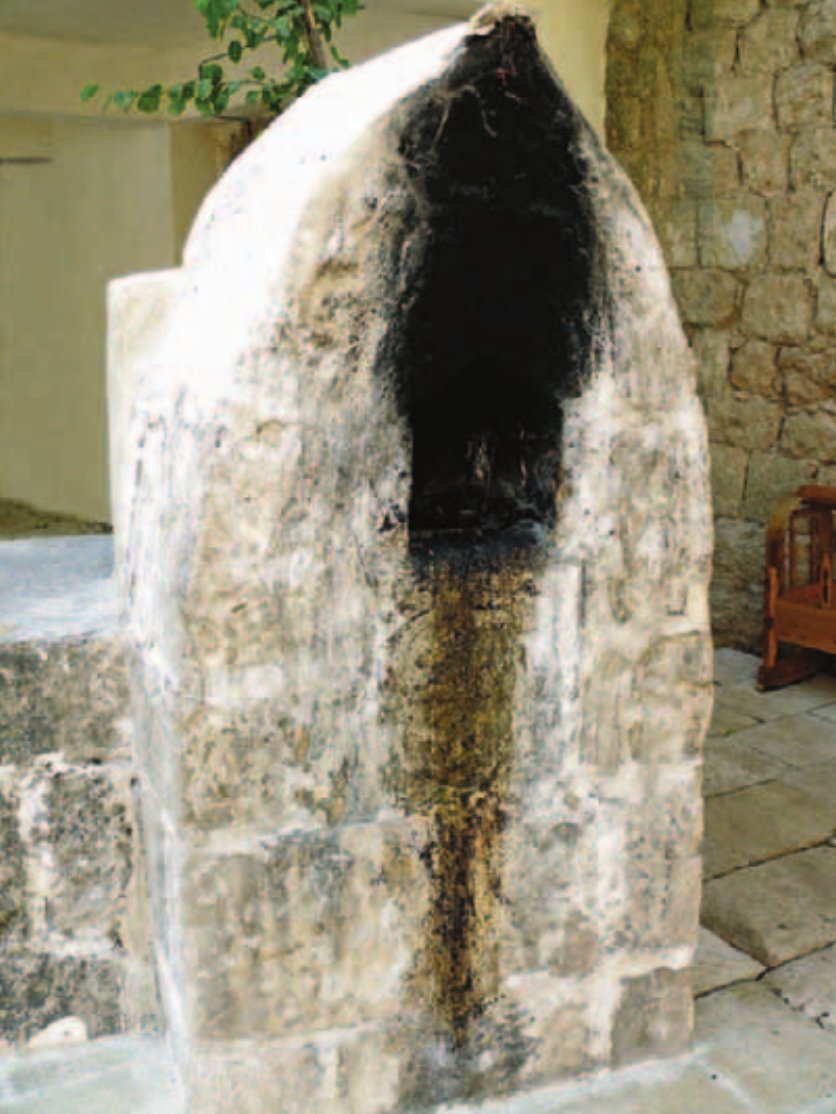
Why light?
According to the photo book Lalişa Nûranî, light (nûr, ronahî) is the source of all truth; it is in the heart of every person. "The sun is God's light" (Roj nûra Xwedê ye). Lighting wicks and lamps is a sign of veneration of this light. Fire is considered a symbol of the sun and is lit because of its purity and holiness.
The Feraş and the Çeqeltû
The one who lights the lamps is called Feraş. Every Ezidi with a religious life who serves in Lalîş can become one (Lalişa Nûranî, p. 205).
The Feraş fills the vessel Çeqeltû with oil. In it lies a little spoon (kevçîk, mûçik) for refilling the lamps; on the side the Çeqeltû has a hand-shaped part. He dips the wick into the oil, puts it in place, lights it and goes in this way through the whole sanctuary (Lalişa Nûranî, p. 32).
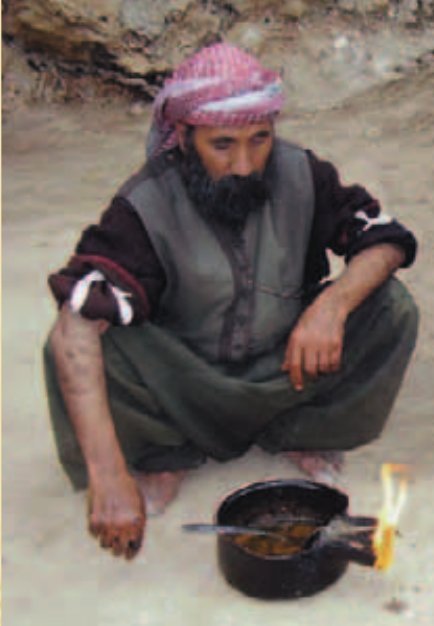
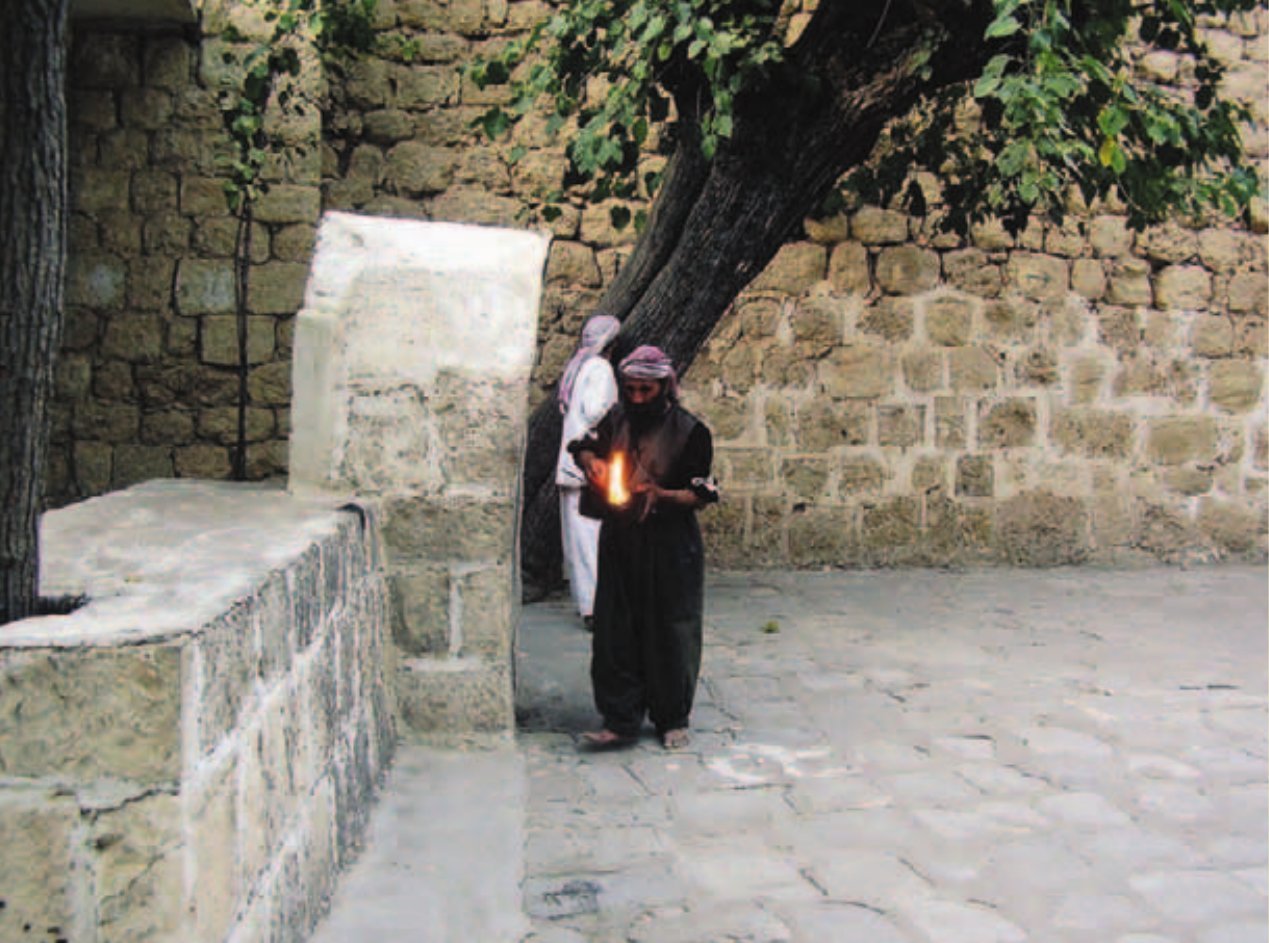
In 1940 Drower describes the servant (Kannas or Ferraş) who went every evening with a bowl of oil, wicks and a ladle to all the lamps; he took the fire from the coffee hearth, not from matches. Kerosene lamps were not allowed, only olive oil. Layard, by contrast, wrote in 1846 of sesame and other vegetable oil. In 1944 Edmonds saw the Feraş in black Feqîr clothing with three women servants dressed in white and a pan of olive oil.
When the lights burn
- Every evening wicks and lamps are lit with olive oil in Lalîş (Lalişa Nûranî).
- On certain evenings they burn before sunset at every holy place. Here the language versions of the photo book contradict each other: the text in Êzdîkî names the evenings of Wednesday and Friday (êvara çarşem û înîyê), the English version Tuesday and Thursday evening. Presumably the same custom is meant, counted once as the eve. Drower, too, names the eves of Wednesday and Friday.
- On these evenings the Kebanî (Dayka Kevanî) carries a bowl of embers and a bag of incense (bixûr) and scatters it so that the buildings are fragrant (Lalişa Nûranî, p. 32).
- On the evenings of all festivals wicks are lit at the Nîşangeh of the saints.
- At the Çarşema Sor everyone lights his wick from the holy fire that a Feqîr brings from the sanctuary; in the evening the whole valley shines (Lalîş in the festival year).
In 1846 Layard observed how pilgrims passed their hand through the flame, rubbed their right eyebrow and kissed the hand.
Some Nîşangeh
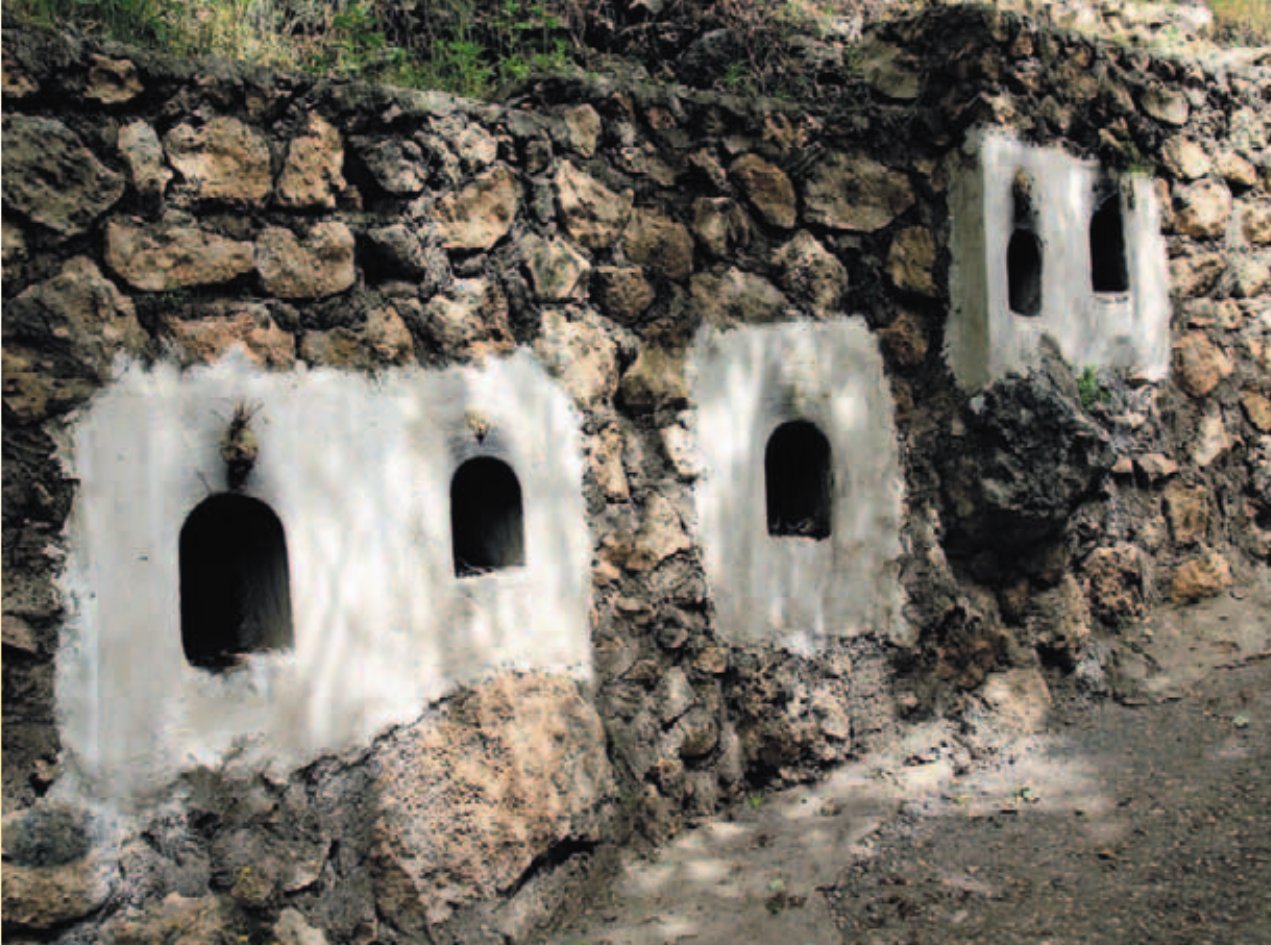
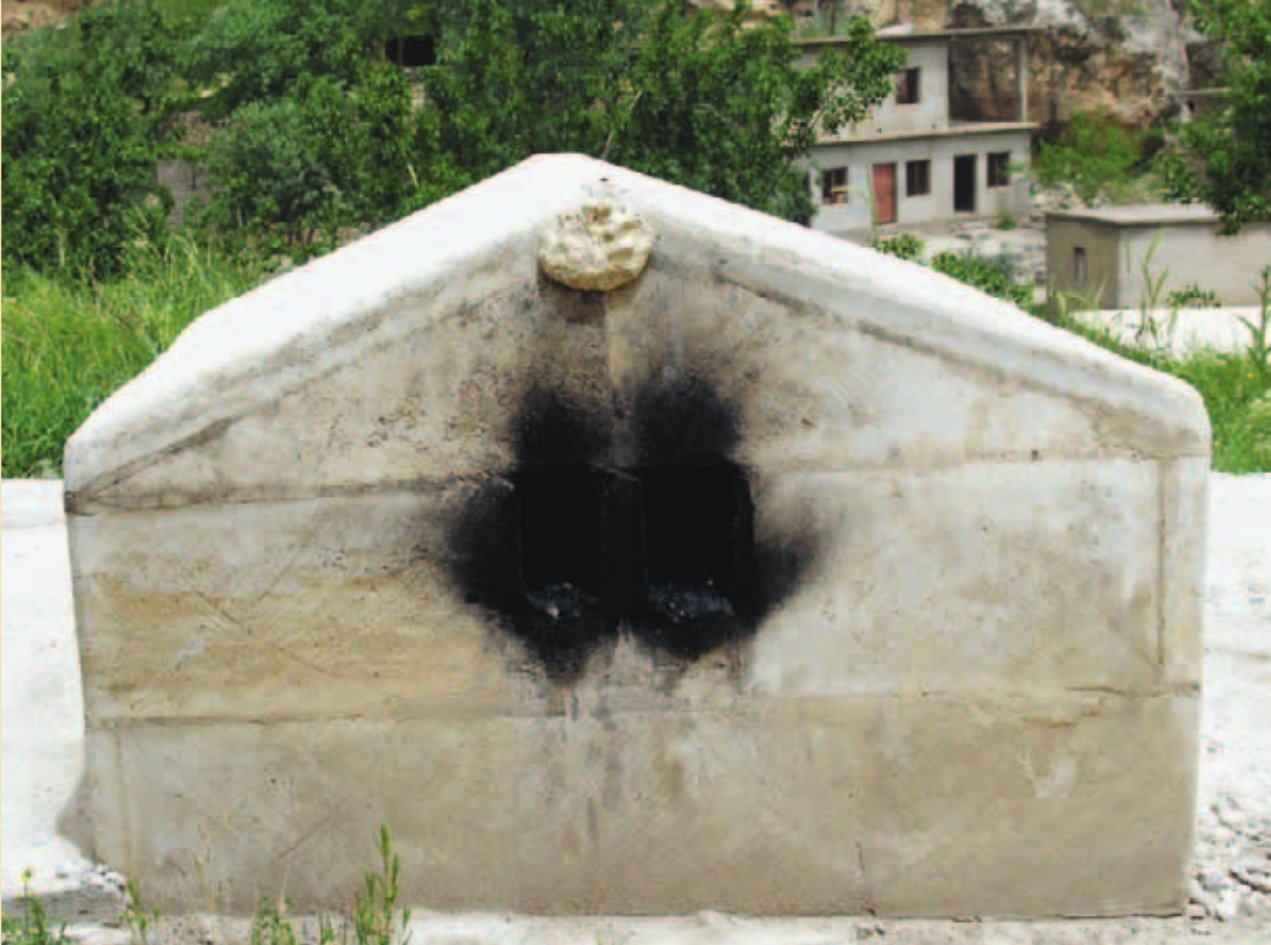
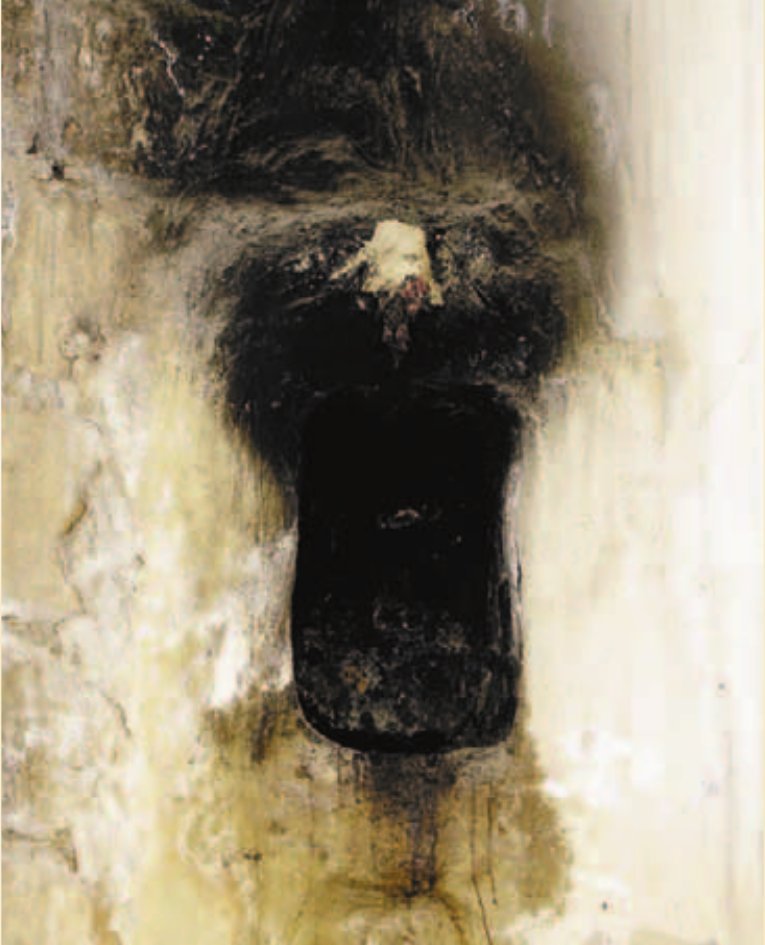
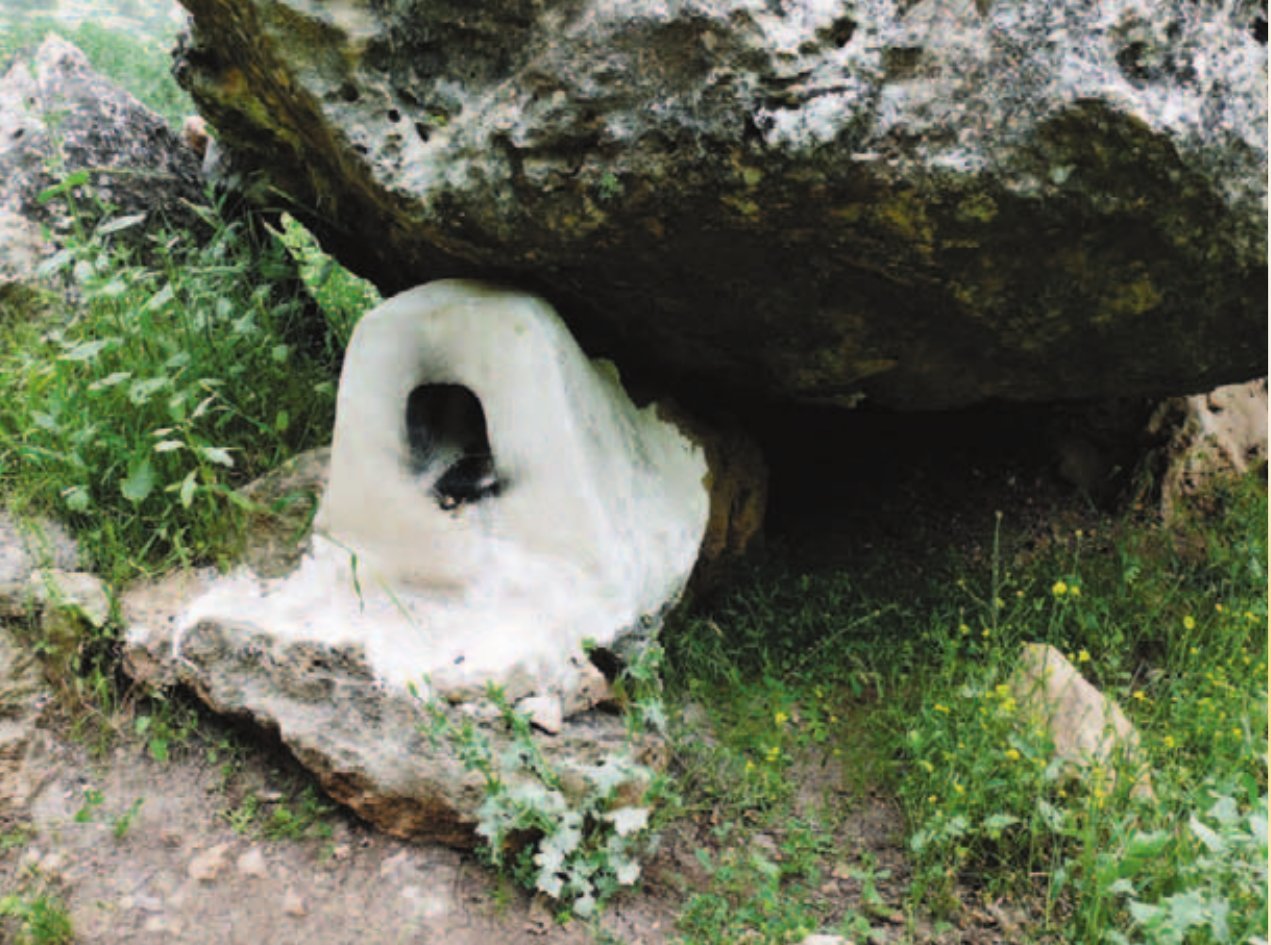
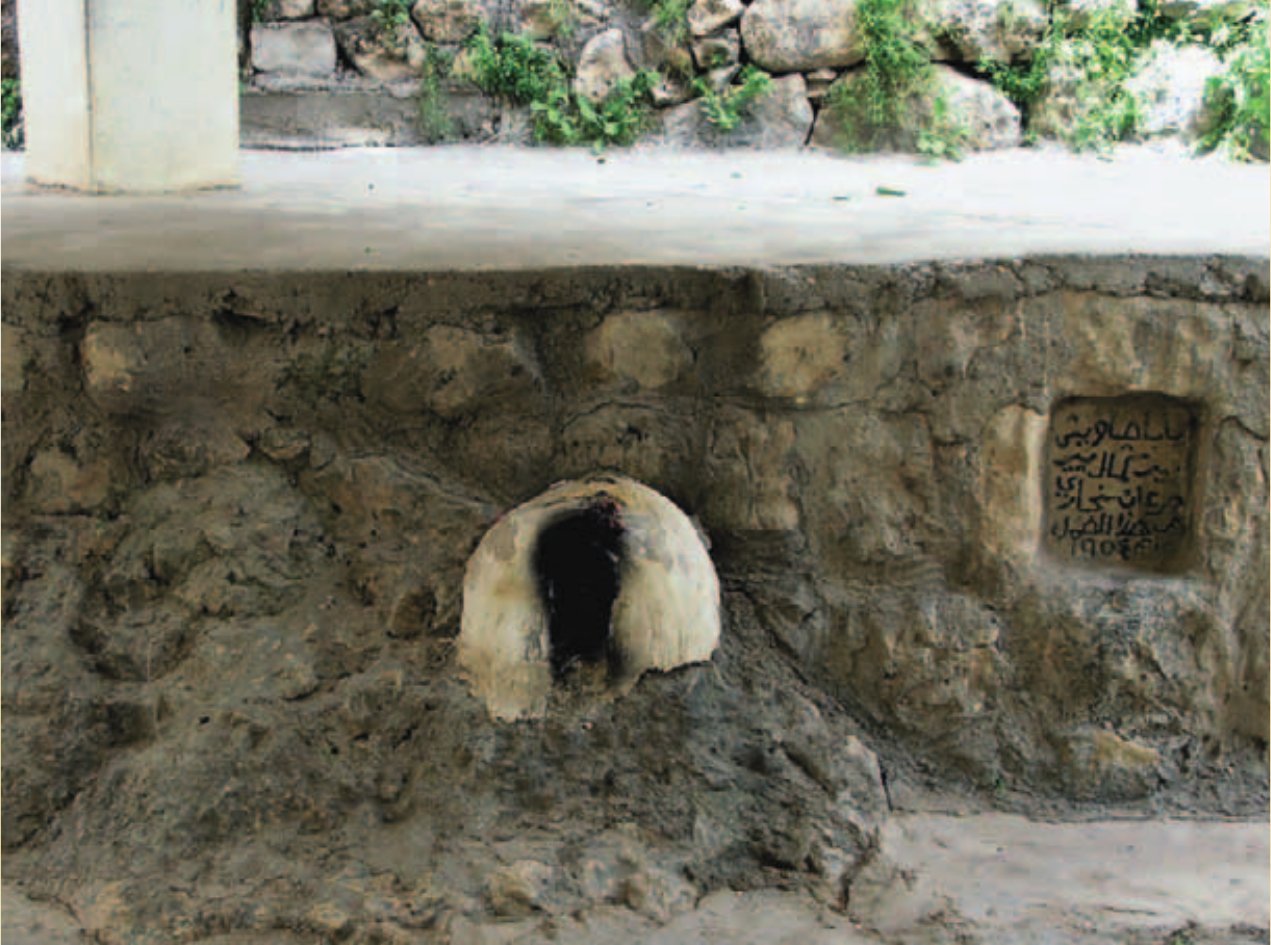
Further Nîşangeh appear in the articles on the places where they lie: at the Dergê Mîr, at the Kaniya Sipî, in the Sûka Merîfetê, in the main building and in the sanctuary of Şêşims.
The list of wicks
In its appendix the photo book prints a list "of the wicks of some saints in Lalîş" (Fitîlên hindek xasa li Lalişê) with over two hundred names. It shows how many figures are honored in Lalîş:
- Angels and saints of the religion: Şîxadî, Melek Şêx Sin, Melek Fexredîn, Şêşims, Nasirdîn, Sicadîn, Şêxûbekir, Mîr Birahîm, Derwêş Adem, Sitiya Ês, Tawis xatûn, Xatûna Fexra;
- Angels with names from other traditions: Ezrayîl, Cibrayîl;
- Figures of creation and primeval times: Nûh û Cûdî, Sehîdê bin Cer, Buhişt û cehnem (paradise and hell), the Zebanî;
- Mystics: Rebîa li Edewîya (Rābi’a al-Adawiyya), Hisên Helac (al-Ḥallāǧ), Bazîd;
- Figures from songs and tales: Mem û Zîn, Zembîlfiroş;
- Monks of tradition: Hena û Merhena (History);
- many P’îr families and places such as the Kaniya Sipî, the Çilexane, Mount Erefat or the Çeqeltû itself.
On the figures see Xas and Mêr.
Sources
- S. A. Grigoriev, L. V. Ivasko, D. V. Pirbari (P’îr Dîma): Lalişa Nûranî / Святой Лалыш / Holy Lalish. Yekaterinburg: Basko 2008, p. pp. 6–7, 22–25, 28, 32, 58, 77–91, 122, 202–205
- E. S. Drower: Peacock Angel. Being some Account of Votaries of a Secret Cult and their Sanctuaries. London 1941, p. pp. 146–150, 190 (PDF 179–183, 231)
- Austen Henry Layard: Nineveh and Its Remains, Vol. 1. London 1849, p. pp. 289–290 (PDF 342–343)
- C. J. Edmonds: A Pilgrimage to Lalish. London (Royal Asiatic Society) 1967, p. p-030
Found a mistake?
Is something wrong – a fact, a spelling, a source, an image? Let us know: we check every report and correct the article.
Other spellings: Nisangeh · Nischangeh · Nishangeh · Nisanga · Nischanga · Nishanga · Nisan · Nischan · Nishan · Fitil · Cira · Tschira · Chira · Qendil · Ceqeltu · Tscheqeltu · Lalish · Lalisch · Lalesh · Sheikh Adi