
Lalîş is not only a place of devotion but also a household: pilgrims must be fed, guests housed, lamps filled, domes whitewashed and trees tended. For this there are special service buildings and people who serve in Lalîş permanently or for a time. Their offices are described in detail in the article Offices in Lalîş.
The buildings
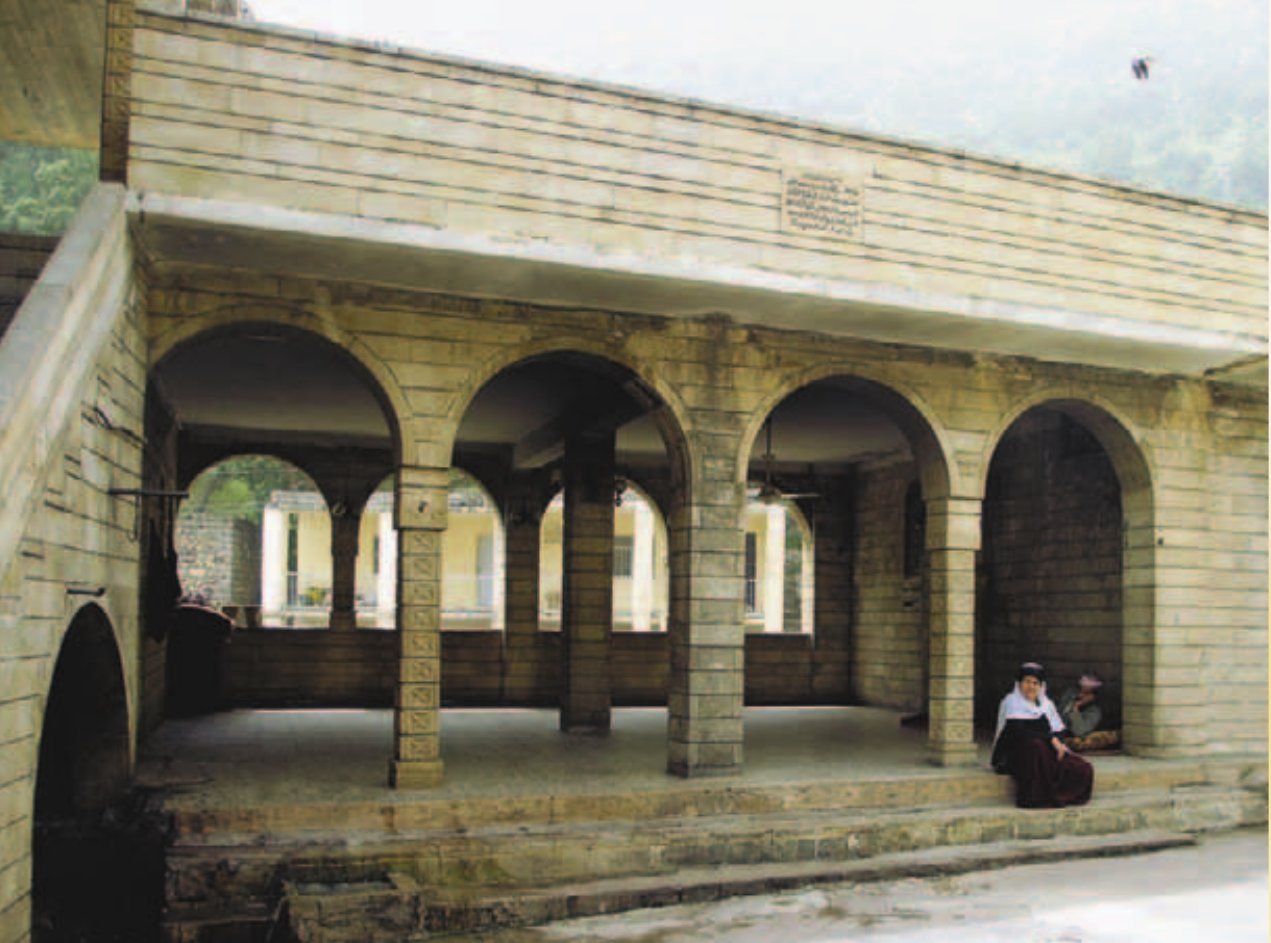
Metbexa Şîxadî – the kitchen of Şîxadî
An open hall with round arches (Şîxadî = Şêx Adî). From the kitchen of the sanctuary pilgrims and guests are fed (Lalişa Nûranî). The great holy meal Simat is cooked in the courtyard Gaykuj. The list of wicks also names a wick of the "kitchen of Şêşims" and one of the "Simata Şîxadî".
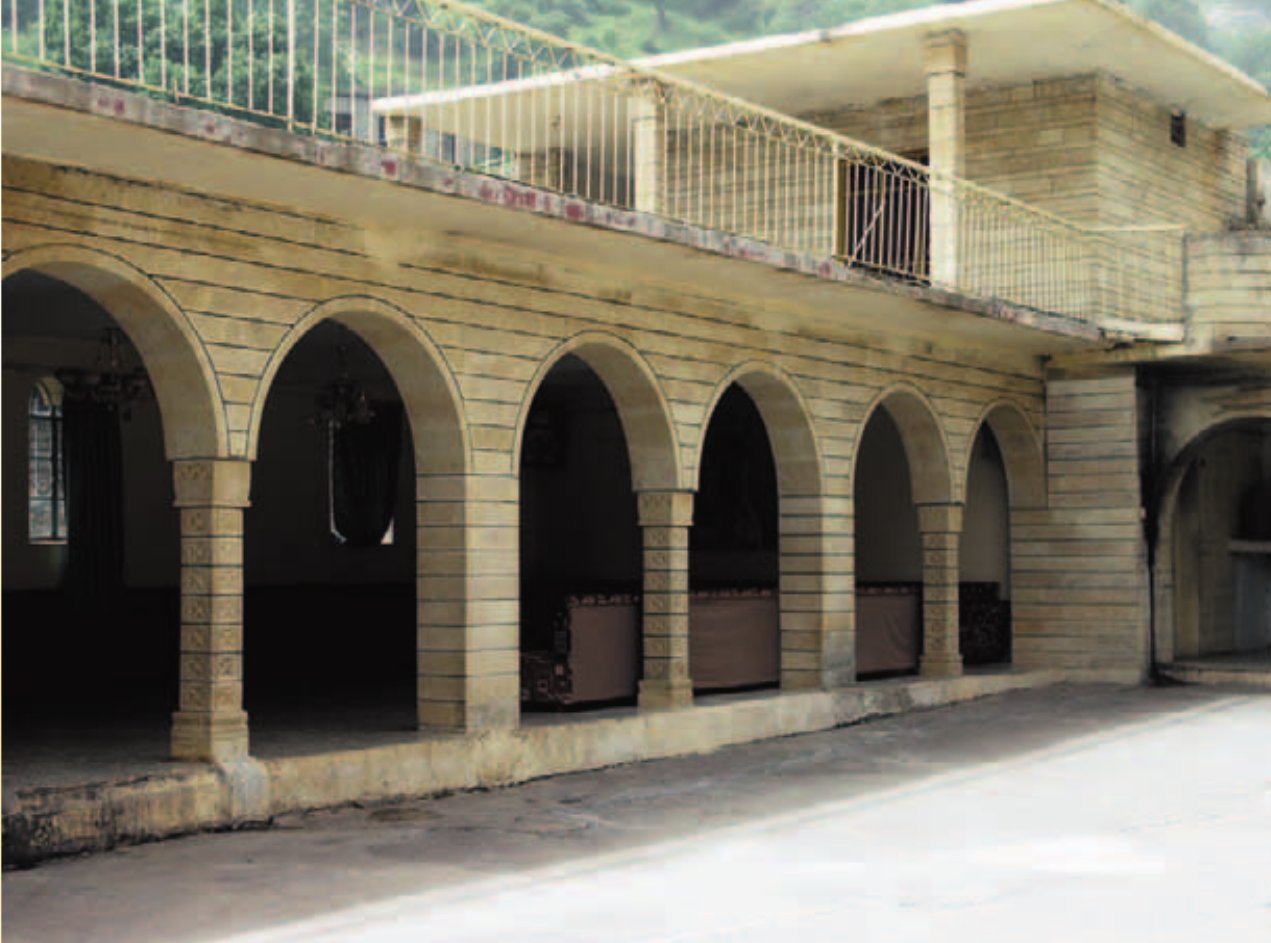
Cîyê mêvanên mala Şîxadî – the guesthouse
A building with an arcade for the guests of the House of Şîxadî.
Mala sêfîla – the rooms of the servants
A two-story building with arches: below the rooms of the Qewal during the festivals, above the rooms of the Babê Şêx, the Bavê Çawîş, the Kebanî and the Feqra (Lalişa Nûranî).
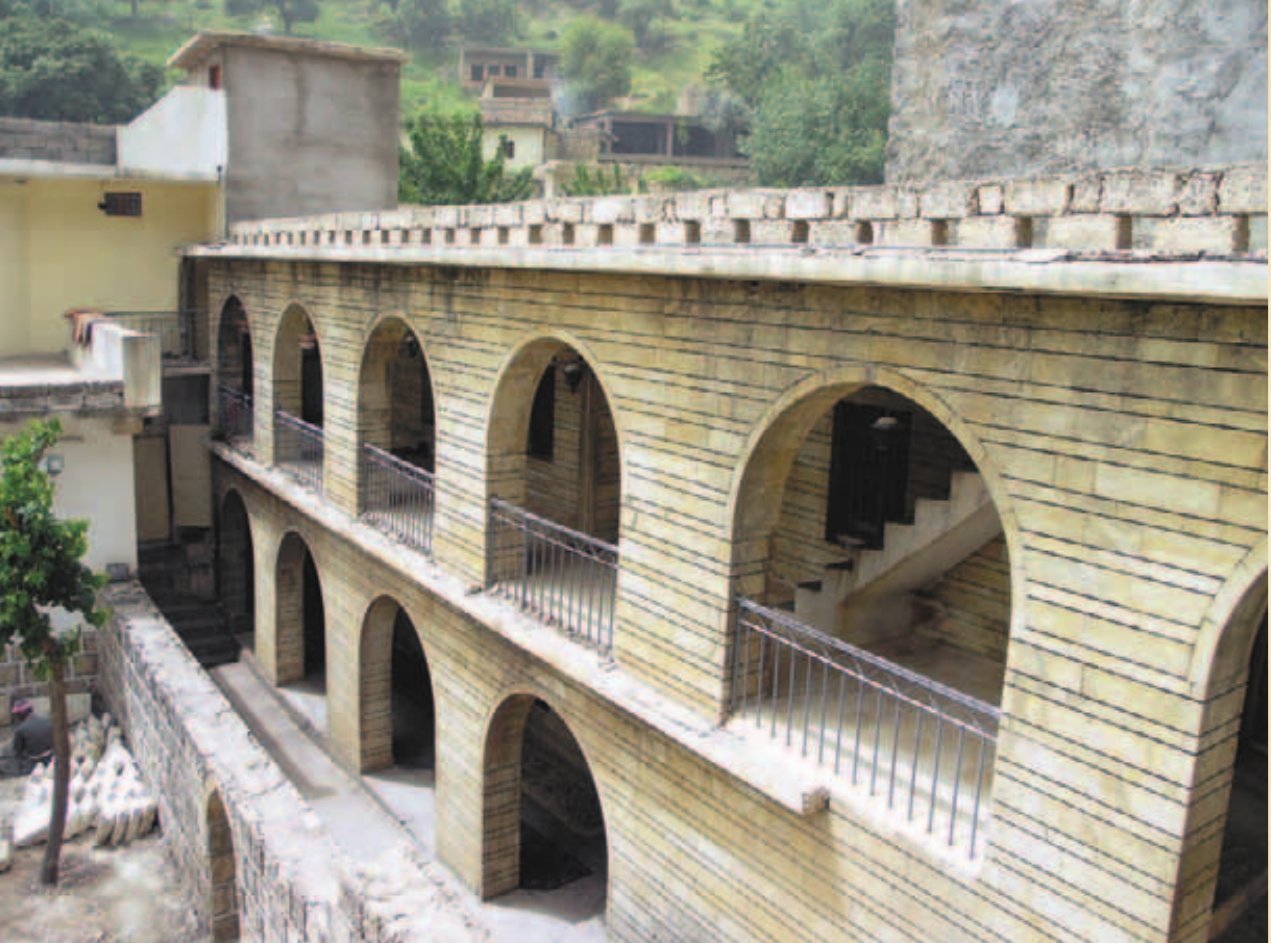
Serbanê feqîra – the roof of the Feqîr
Flat roofs and galleries with round arches, the lodgings of the Feqîr.

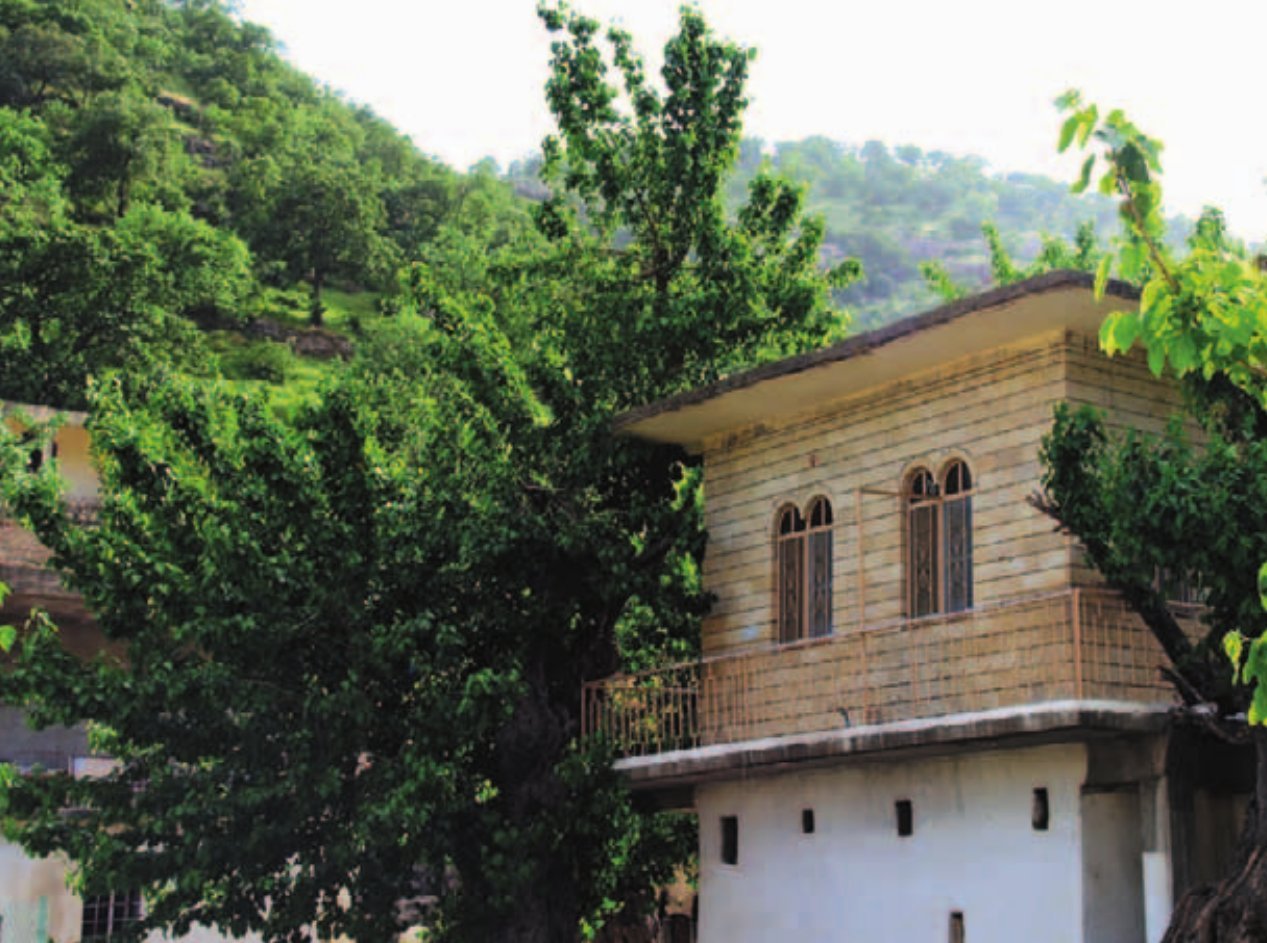
Koçka Zoro
A building with wooden windows among trees. According to Lalişa Nûranî, it stands on the site of a building erected at the beginning of the 20th century by Zoro-axa of the Xalta tribe (region of Diyarbekir). In 1944 Edmonds calls the founder Zûro Axa an Ezidi from the Caucasus. The statements on his origin therefore differ. Opposite the Koçka Zoro lies the stone "Berê bûk û zava" ("stone of bride and bridegroom") with a wick of its own.
Xezina nan and stores
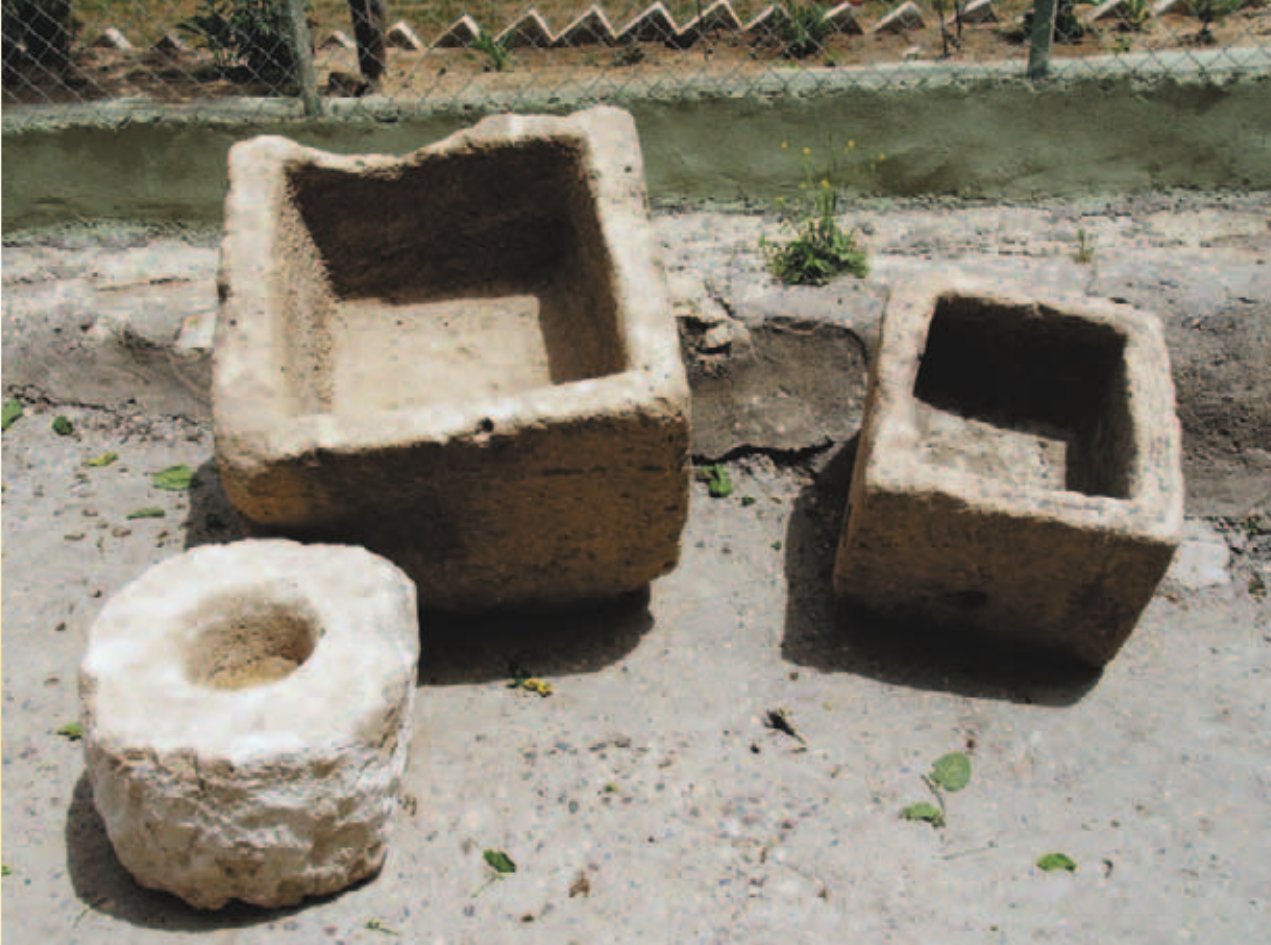
In the courtyard lies the bread store (Xezina nan); at its door stands the tree of the dervishes, the Dara Qelendara (Holy trees). Firewood is stored in the wood store (gizr); the Xilmetkar bring it from outside, for no tree may be felled in the valley. Old stone mortars and troughs bear witness to the work of earlier times.
Xana Êzîd – the pilgrims' hostel
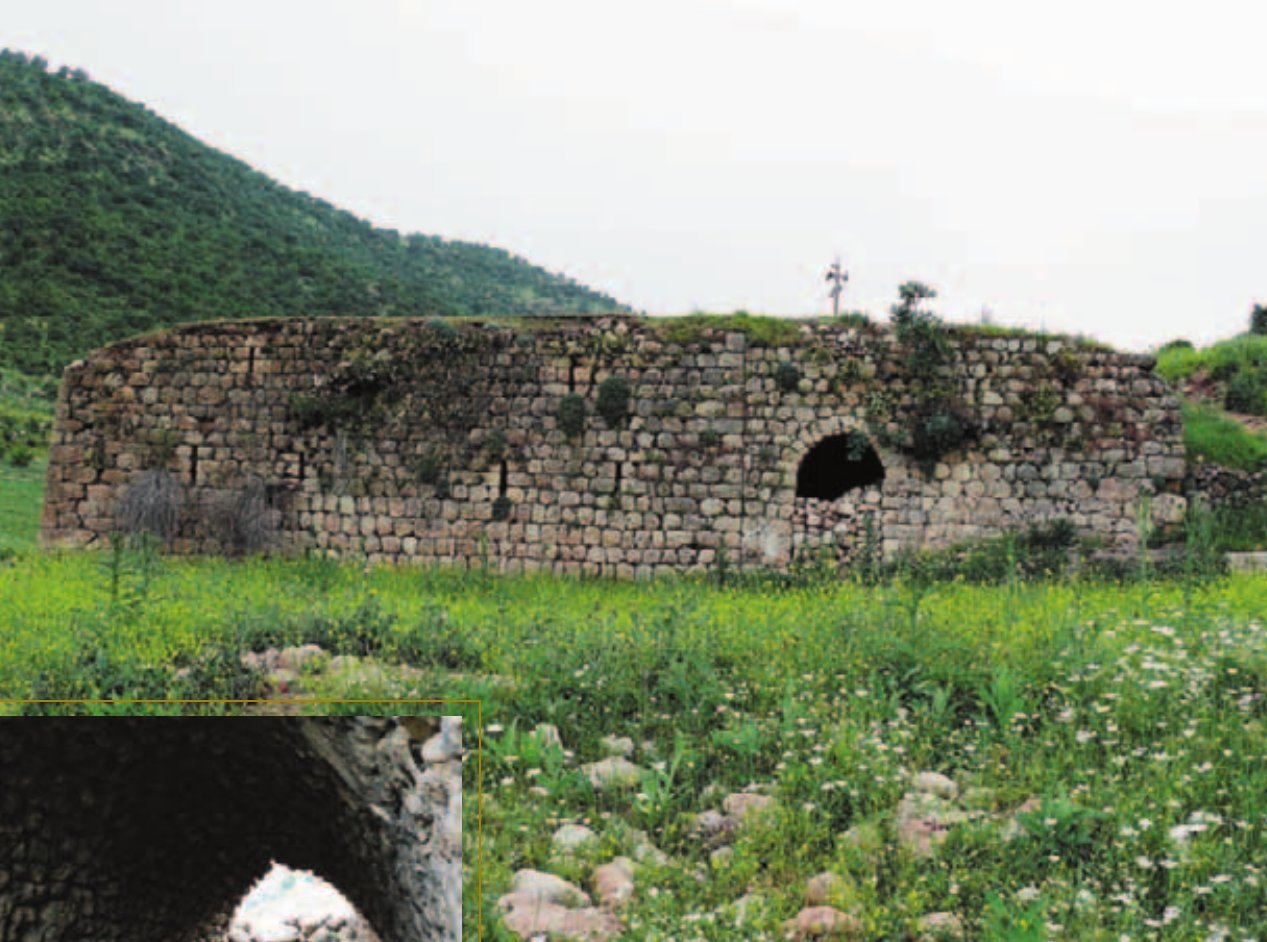
The Xana Êzîd was formerly a hostel in which guests and pilgrims spent the night. It lies about 1 km from the Pira Selatê; the spring Kaniya Berbaykê flows close to it (Lalişa Nûranî). Today it is a round rubble-stone building with a vaulted passage.

Who serves in Lalîş
According to the glossary of Lalişa Nûranî (pp. 204–206), briefly summarized:
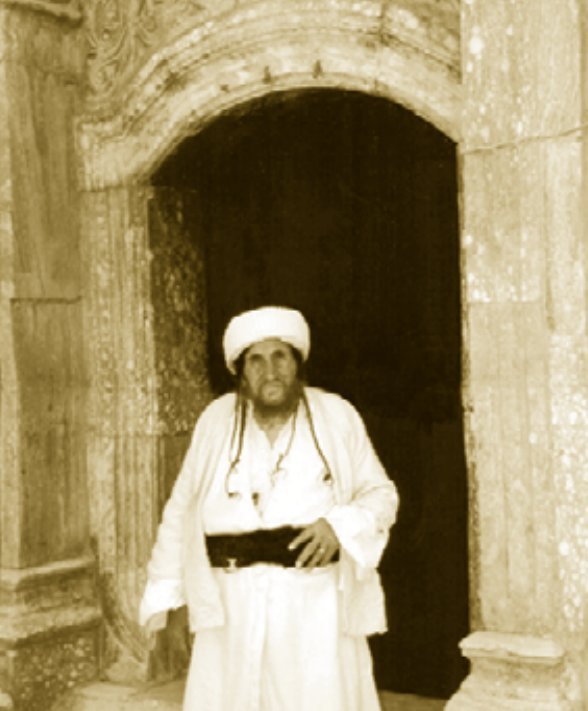
- Bavê Çawîş – lives permanently in Lalîş and serves the sanctuary; can be from any caste, wears white with the belt rist, never marries and dedicates himself to Şîxadî. According to the English version, for about a hundred years only P’îr have held this office; he represents the Babê Şêx in Lalîş. According to Kreyenbroek, by tradition he represents the monk Mar Hena.
- Kebanî and Feqra – unmarried women who live with the Bavê Çawîş in Lalîş, make and light wicks and oil lamps and produce the Berat; the oldest is called Kebanî ("housewife"). According to Kreyenbroek, in 2001 there was only one Kebanî left in Lalîş; Drower names Daya Qotê as Kebanî in 1940.
- Feraş – lights the wicks (Nîşangeh and wicks).
- Xilmetkar (Xizmetkar) – build and clean, whitewash the domes, bring wood, plant and water, tend the olive grove and make the oil; today mostly from Başîk and Behzan.
- Micêwir – keepers of the sanctuaries and overseers of the Nîşangeh (Kaniya Sipî).
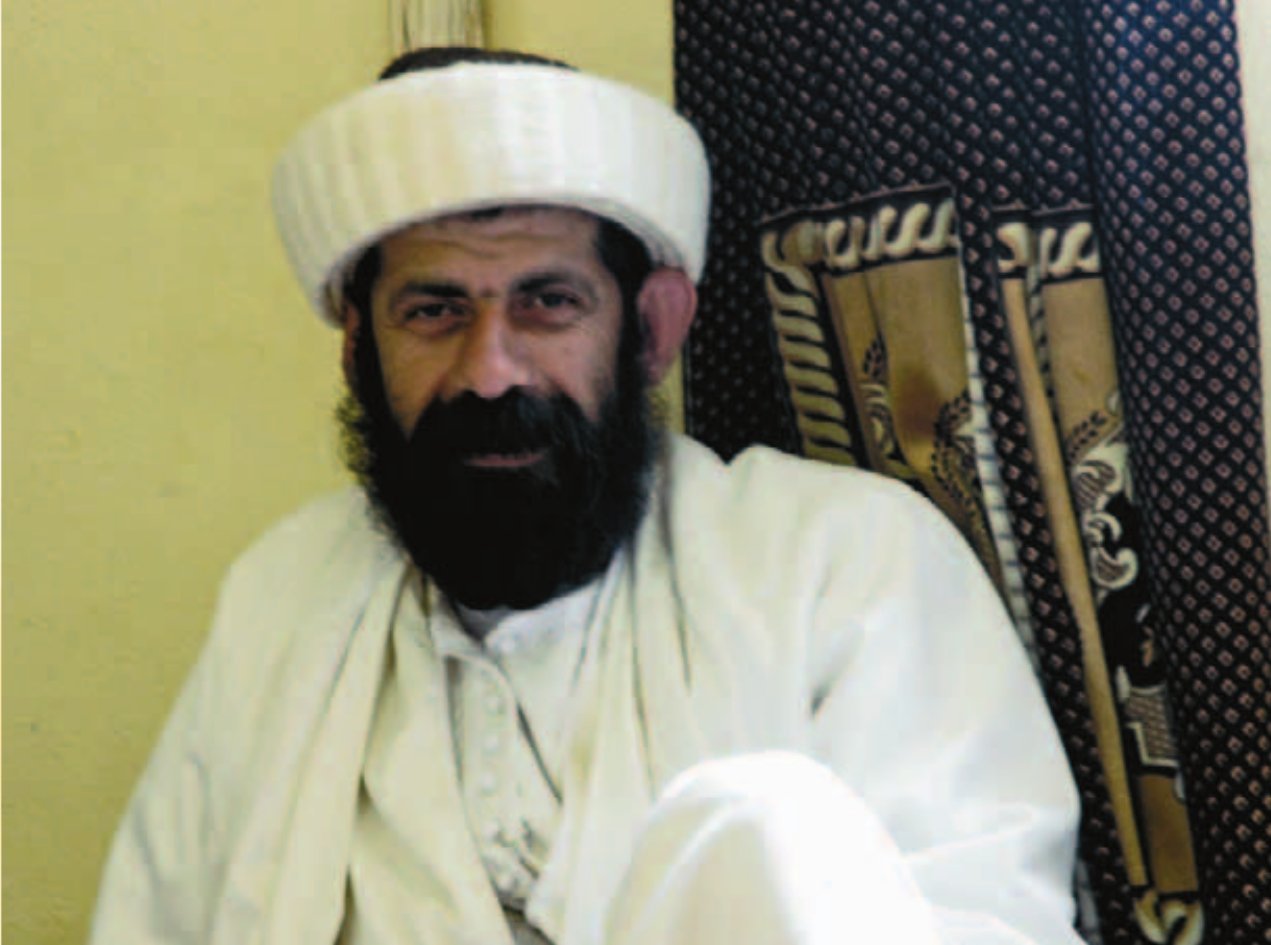
Kreyenbroek names as head of the Feqîr in Lalîş the Metbexçî ("steward of the kitchen"), also Micêwirê Lalişê ("keeper of Lalîş"), who is appointed by the Mîr. According to Edmonds, the Feqîr are servants in the sanctuary under the steward of the kitchen.
Sources
- S. A. Grigoriev, L. V. Ivasko, D. V. Pirbari (P’îr Dîma): Lalişa Nûranî / Святой Лалыш / Holy Lalish. Yekaterinburg: Basko 2008, p. pp. 16–17, 30, 34–36, 94–101, 144, 147, 155, 159–161, 204–206
- Philip G. Kreyenbroek, Khalil Jindy Rashow: God and Sheikh Adi Are Perfect. Sacred Poems and Religious Narratives from the Yezidi Tradition. Wiesbaden: Harrassowitz 2005, p. pp. 8, 11
- C. J. Edmonds: A Pilgrimage to Lalish. London (Royal Asiatic Society) 1967, p. p-041
- E. S. Drower: Peacock Angel. Being some Account of Votaries of a Secret Cult and their Sanctuaries. London 1941, p. pp. 145–146 (PDF 178–179)
Found a mistake?
Is something wrong – a fact, a spelling, a source, an image? Let us know: we check every report and correct the article.
Other spellings: Metbexa Sixadi · Metbecha Schichadi · Metbekha Shikhadi · Mala sefila · Serbane feqira · Serban feqira · Serban feqîra · Xana Ezid · Chana Ezid · Khana Ezid · Xana Ezi · Chana Ezi · Khana Ezi · Kocka Zoro · Kotschka Zoro · Kochka Zoro · Lalish · Lalisch · Lalesh · Sheikh Adi