
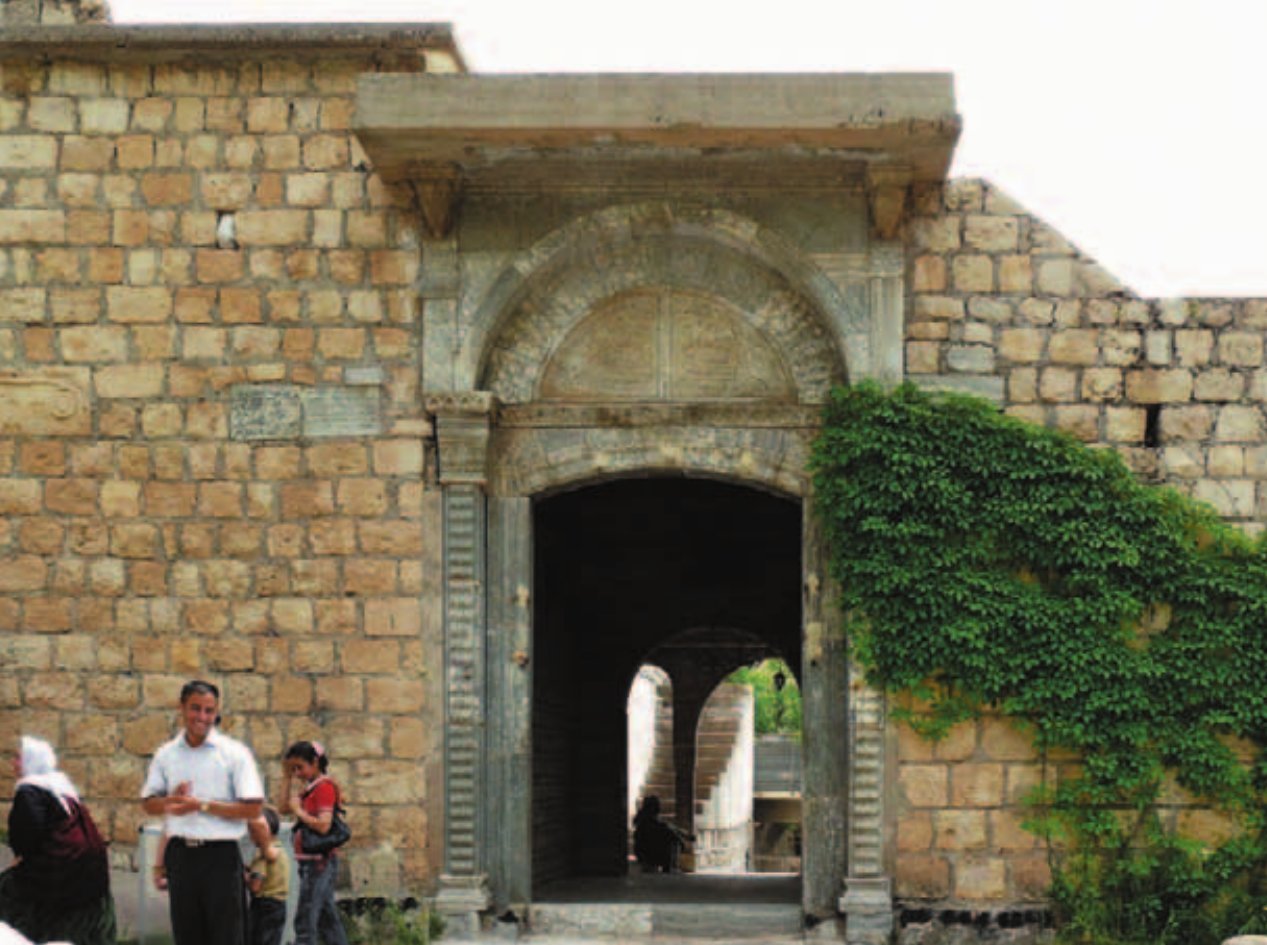
The Dergê Mîr ("gate of the ruler", also Dergehê Mîr) is the gate through which one passes from the forecourt Sûka Merîfetê into the temple courtyard of Lalîş. For the Ezidis it is more than an entrance: according to belief, the soul of every deceased person is judged in front of this gate before it crosses the bridge Pira Selatê into the other world (Lalişa Nûranî).
Name
The English caption in Lalişa Nûranî also calls the Dergê Mîr the gate of Amadîn. Amadîn was a son of Şêşims and belongs to the Şêx group of the Şemsanî (Şêşims).
The place of judgment
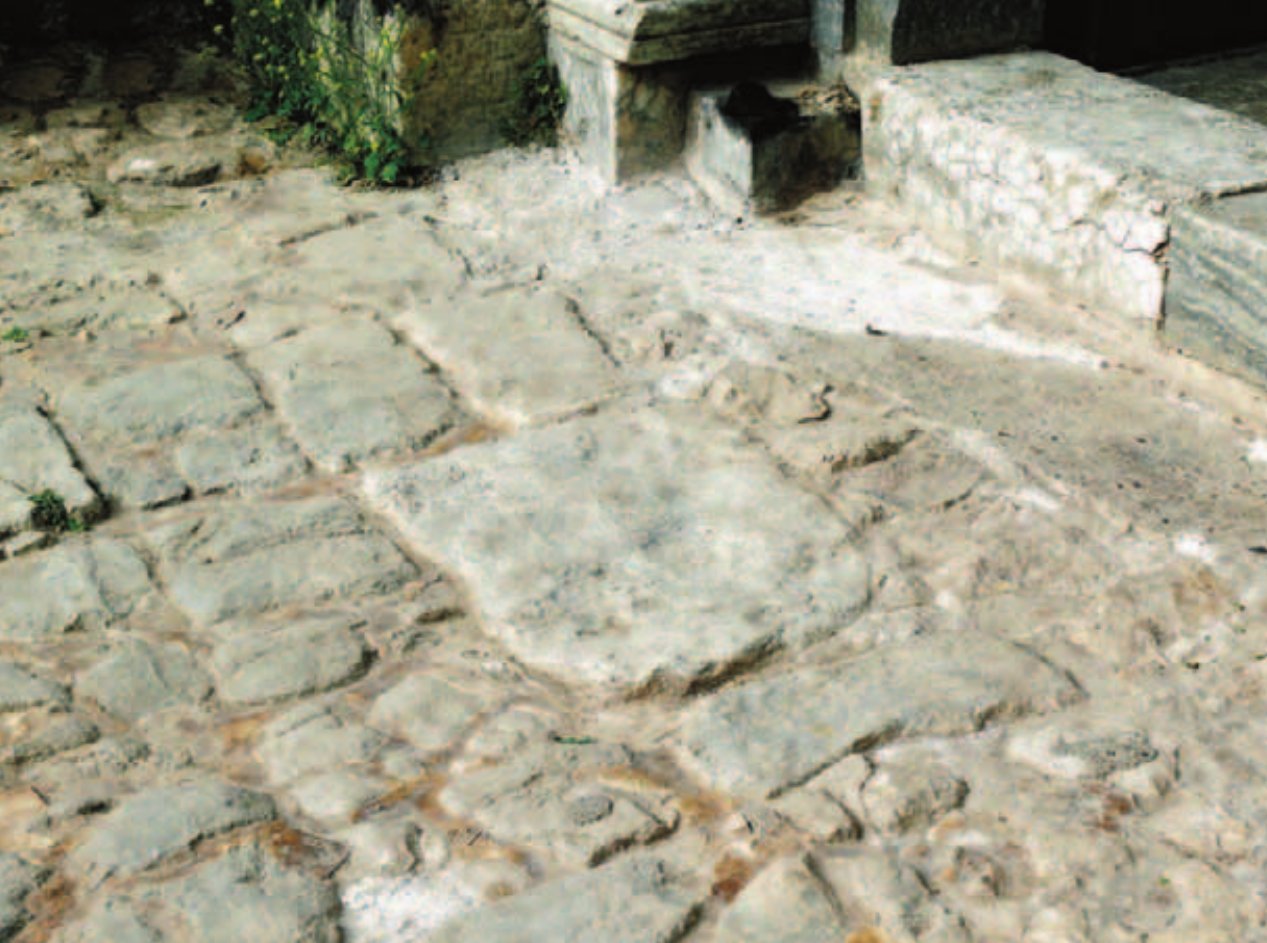
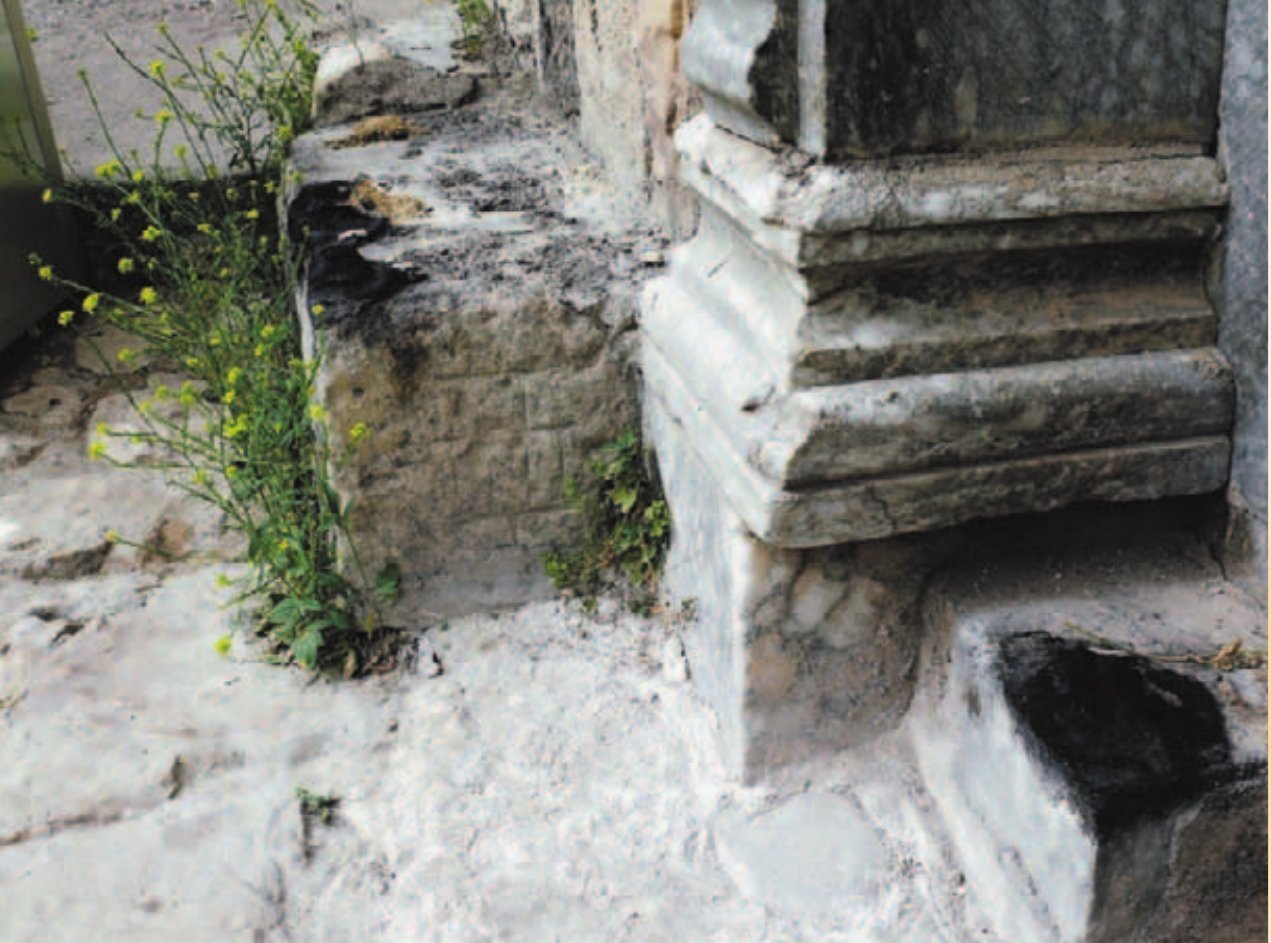
In front of the gate lies a paved square. Here, so it is believed, the soul is examined. The photo book shows it with the caption: the place at the Dergê Mîr where the judgment of the soul takes place. In his glossary Pirbari names a holy stone Erasat in Lalîş at which the judgment of the soul of the deceased Ezidi takes place. The whole path of the soul is described in the article The path of the soul through Lalîş.
Form of the gate
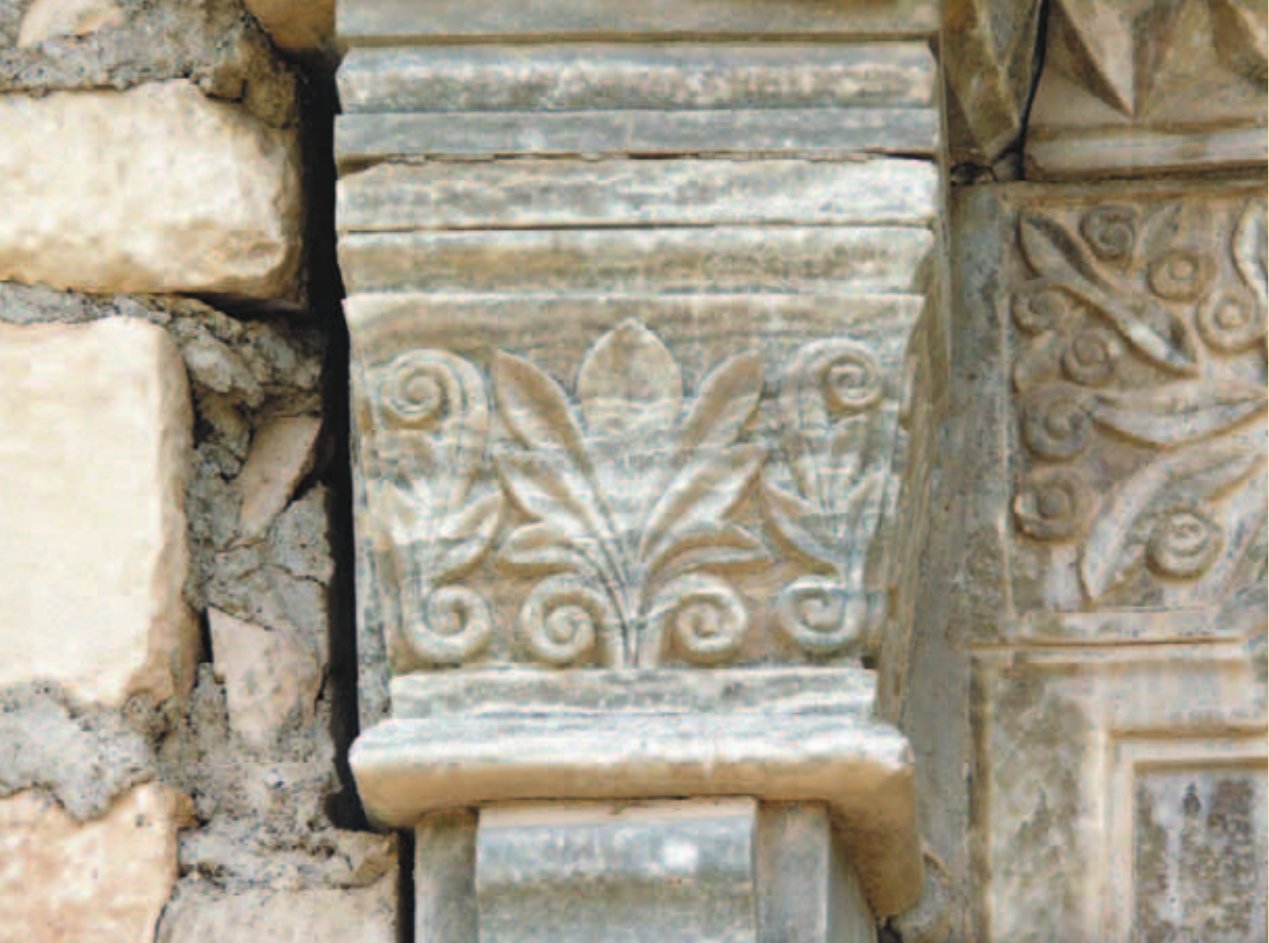
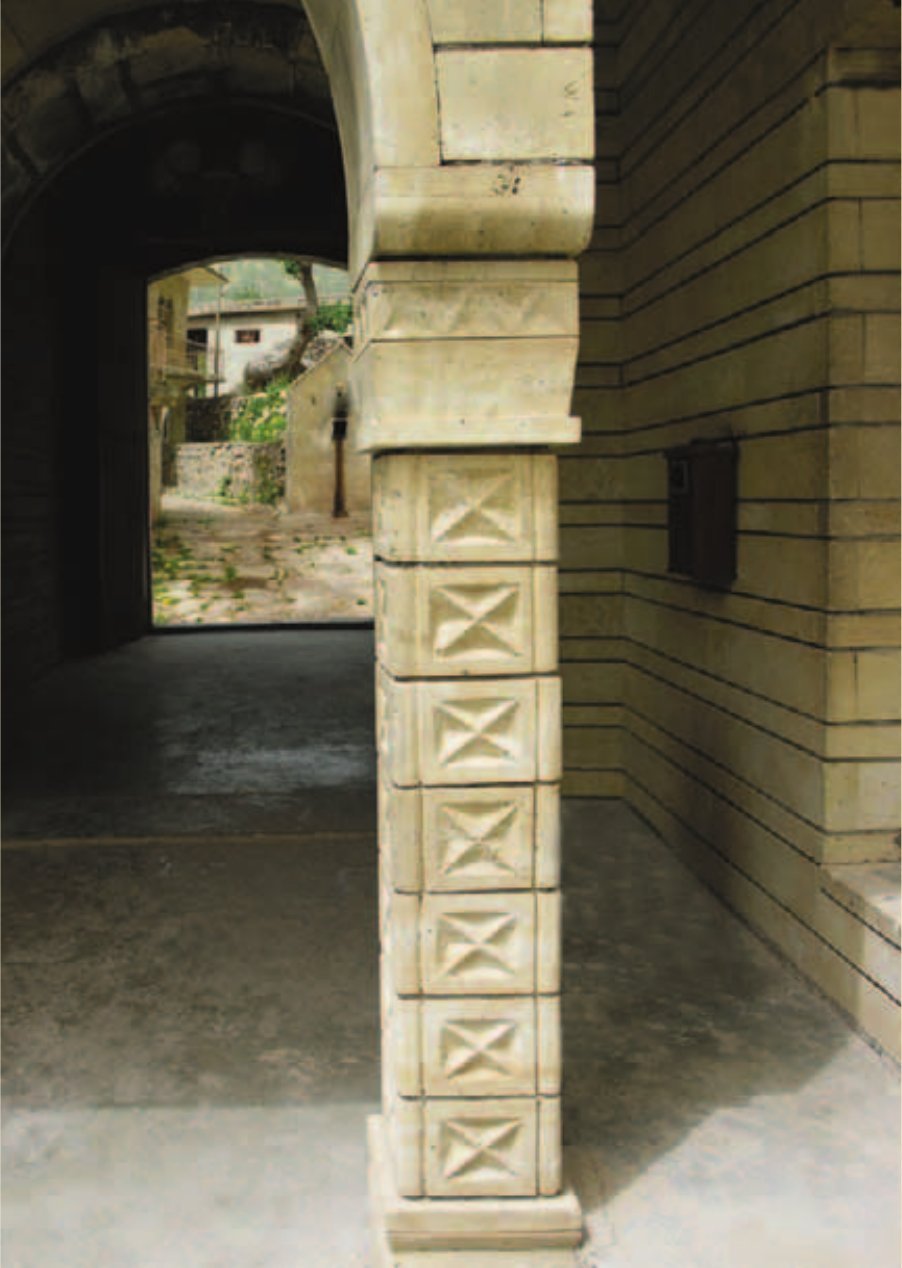
The gate is a round arch in an ashlar wall with a richly decorated frame. Above it lies a tympanum adorned with reliefs; the pillars bear plant ornaments in relief, on the inside a zigzag and diamond pattern. Through the arch a staircase leads into the courtyard.
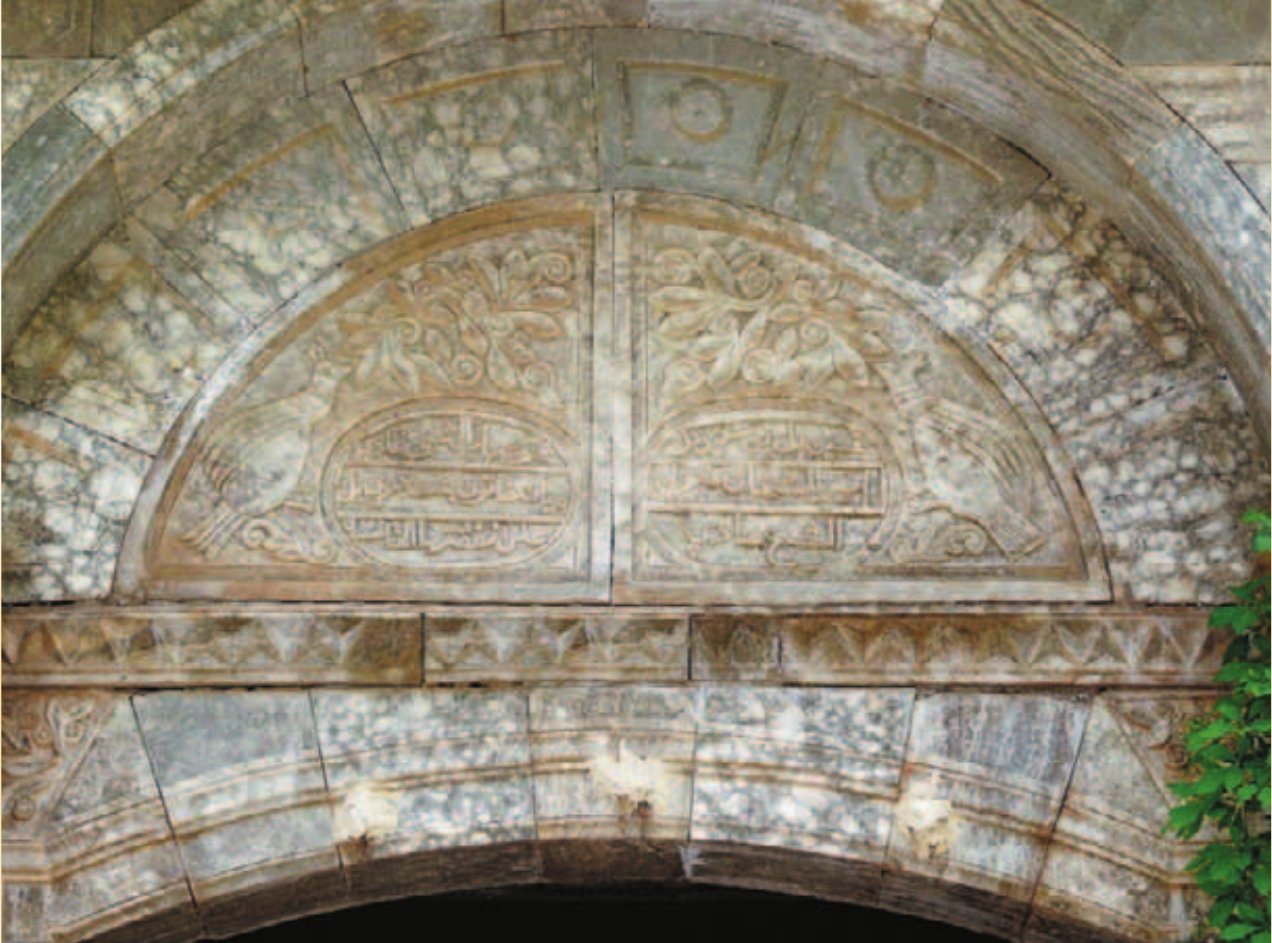
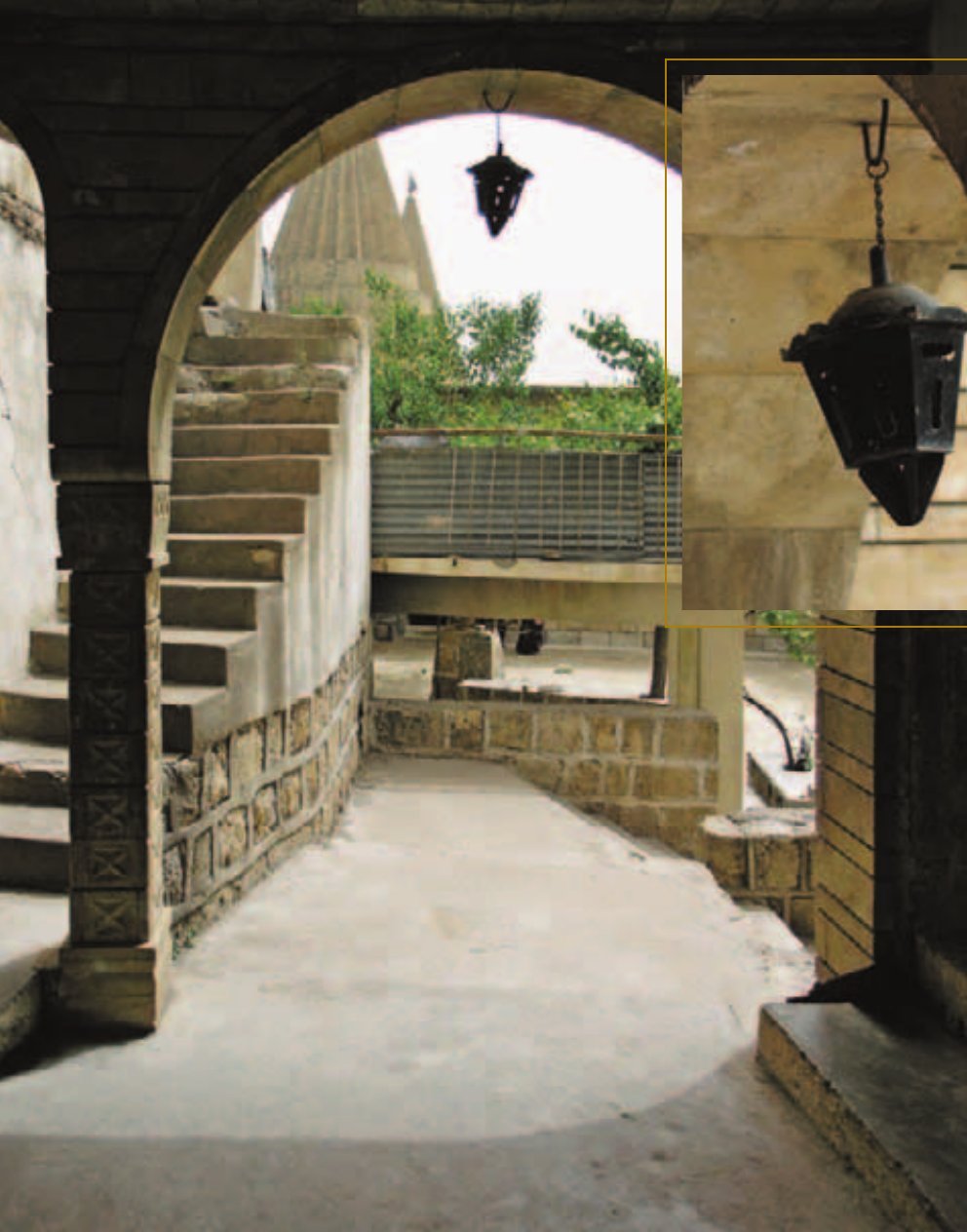
According to Açıkyıldız, the tympanum holds two oval panels with Arabic inscriptions; one states that the gate was renewed during the regency of Mayan Xatûn (1913–1957). What the gate looked like before is shown in the drawing by G. P. Badger from the 19th century (History of the sanctuary).
Wick places at the gate
To the left of the gate, in a rock niche, lies the Nîşangeh for Şîxadî (Şêx Adî) and Melek Şêx Sin with their wicks. At the Dergê Mîr there also burn the wicks for the seven sons of the old woman, who hid Şêx Hesen from the soldiers of Bedredîn Lûlû and died doing so (Lalişa Nûranî, pp. 83, 203).
The roof of the archers
Above the gate lies the roof Banê tîravêjan, "roof of the archers" (only in the text in Êzdîkî, Lalişa Nûranî, p. 30). In front of the gate, in the Sûka Merîfetê, stands the small dome-shaped Nîşangeh of Pîr Mend (Domes).
The Dergê Mîr in the festival year
On the evening of the Çarşema Sor, the New Year, the Extiyarê Mergehê goes with Feqîr and clergy to the Dergê Mîr and sings Qewls there; the English version of the photo book speaks of the "entrance to the courtyard of the temple" (Çarşema Sor, Lalîş in the festival year).
Sources
- S. A. Grigoriev, L. V. Ivasko, D. V. Pirbari (P’îr Dîma): Lalişa Nûranî / Святой Лалыш / Holy Lalish. Yekaterinburg: Basko 2008, p. pp. 20–24, 30, 56–62, 83, 203
- Birgül Açıkyıldız: The Yezidis. The History of a Community, Culture and Religion. London 2010, p. pp. 148, 158
- Dimitri Pirbari (P’îr Dîma), A. Ščedrovickij: Тайна жемчужины (The secret of the pearl). Moscow/Tbilisi 2016, p. p. 247
Found a mistake?
Is something wrong – a fact, a spelling, a source, an image? Let us know: we check every report and correct the article.
Other spellings: Dergehe Mir · Dergeh Mir · Dergehê Mir · Dergeh Mîr · Dere Mir · Der Mir · Derê Mir · Der Mîr · Deriye Mir · Deriy Mir · Derîyê Mir · Derîy Mîr · Tor des Amadin · Bane tiravejan · Ban tiravejan · Ban tîravêjan · Emir · Lalish · Lalisch · Lalesh