
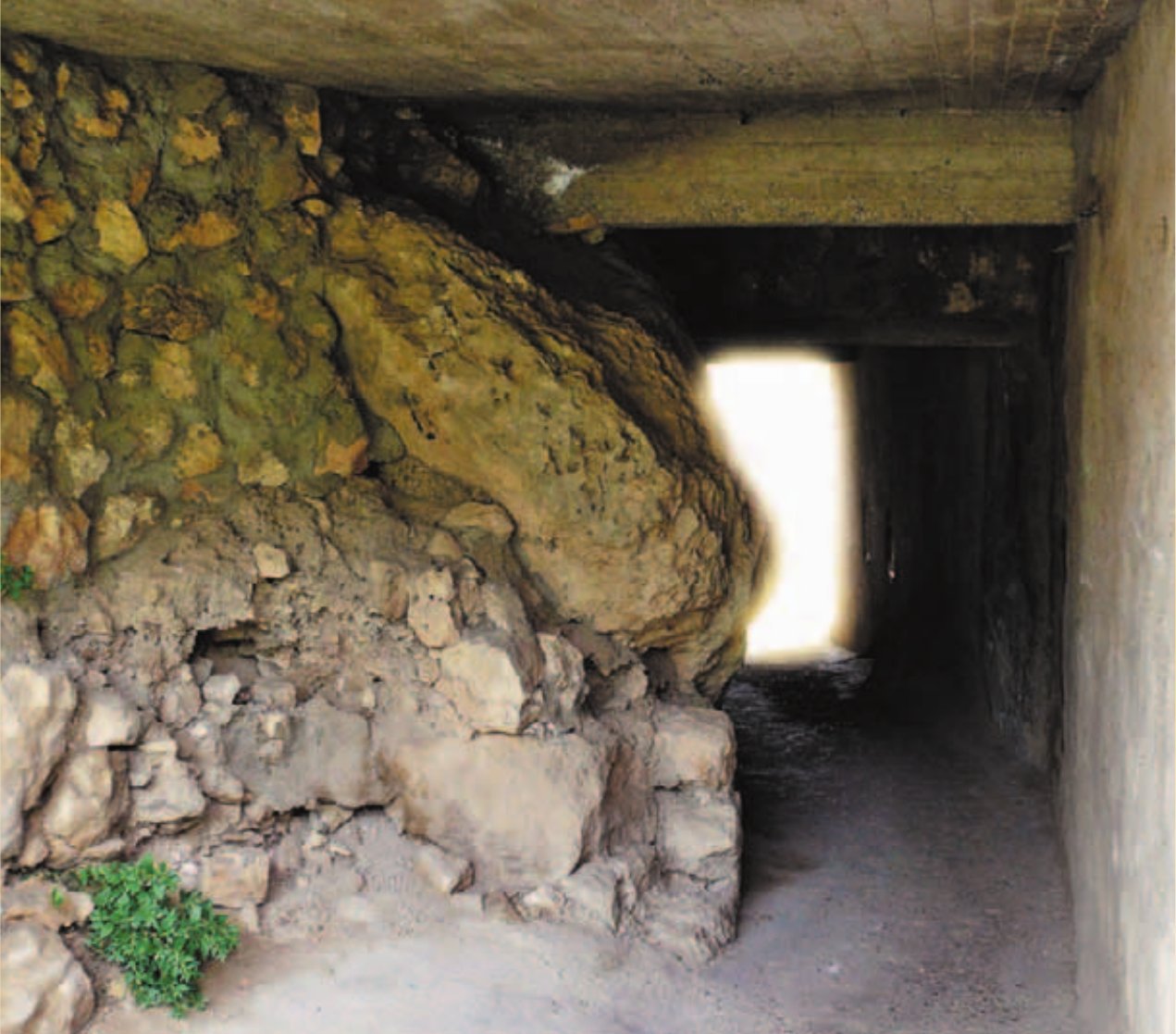
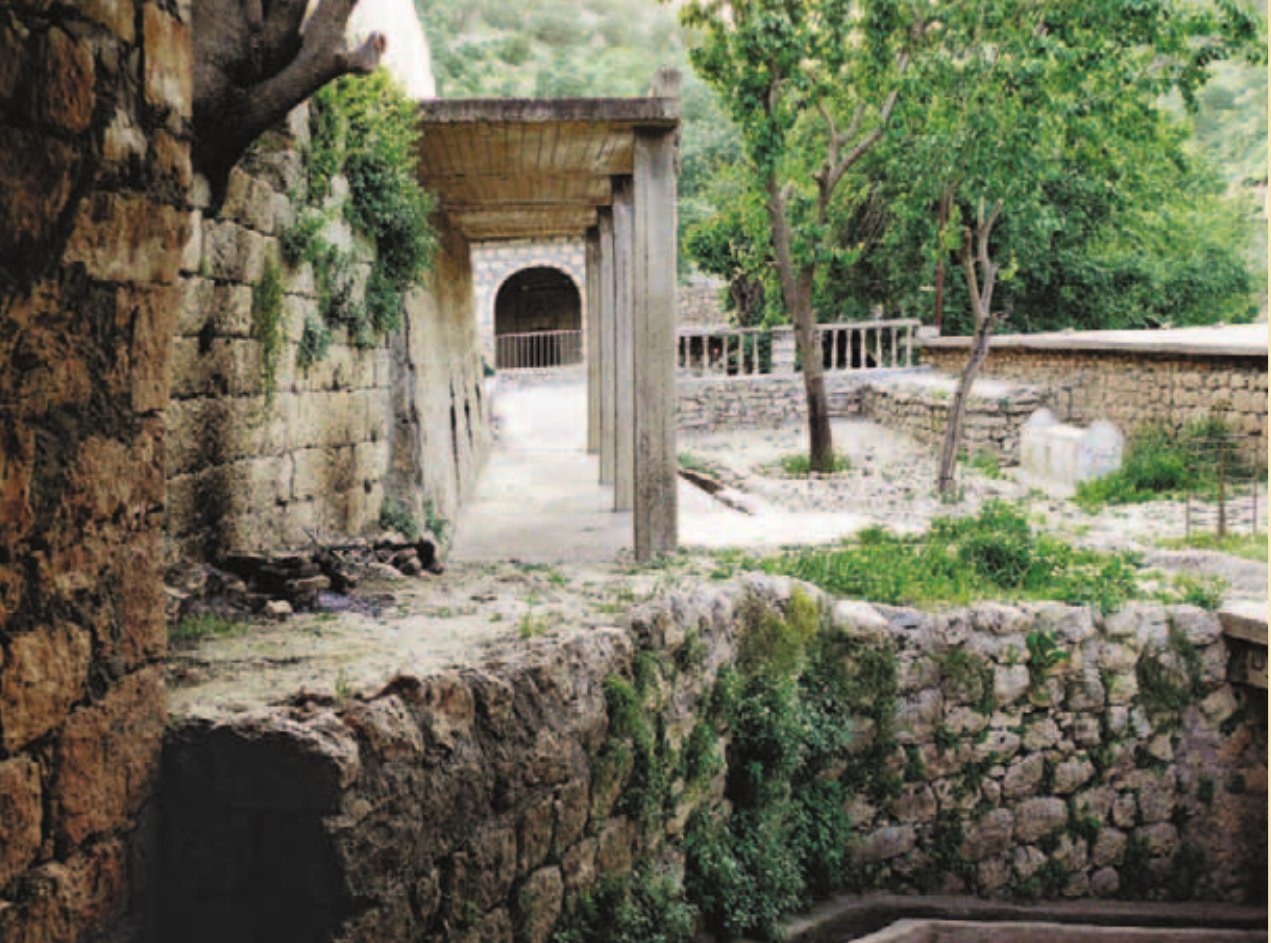
Between the large buildings of Lalîş lie narrow lanes (kolan) and dozens of small buildings, each dedicated to a saint. The photo book Lalişa Nûranî calls them ava ("building") or aqide; the English version translates aqide as "building in honor of an Ezidi saint". Most are built of rubble stone with round arches and vaults; wicks burn in them, and some have a tomb or a cave.
The lanes
The text in Êzdîkî lists the lanes of Lalîş:
- Kolana dina – according to the English version named after the Ezidi tribe Dna; here lies the wick place of the Zebanî and the wick of the Qazî;
- Kolana zebêniya – the lane of the Zebanî, the guardians of the hereafter who, according to belief, throw the souls of sinners into hell (The path of the soul);
- Kolana êsyaniya – after the village of Êsiyan;
- Kolana baediriya, also Kolana Şêx Mend – after the village of Baedrê; here burns the wick of Hekîm Luqman;
- Kolana êsivniya – after the village of Êsivn;
- Kolana Sitiya Ês – after the mother of Şêx Adî;
- Qentera avê and Qentera Awdî Hesena;
- Kolana xêrê – the "lane of the good".
The names show how villages and tribes had their place in the sanctuary. Layard already described in 1846 that each part of the valley bore the name of the district or tribe that used it (see Lalîş in People & Culture).
Buildings of the saints
Êzîd
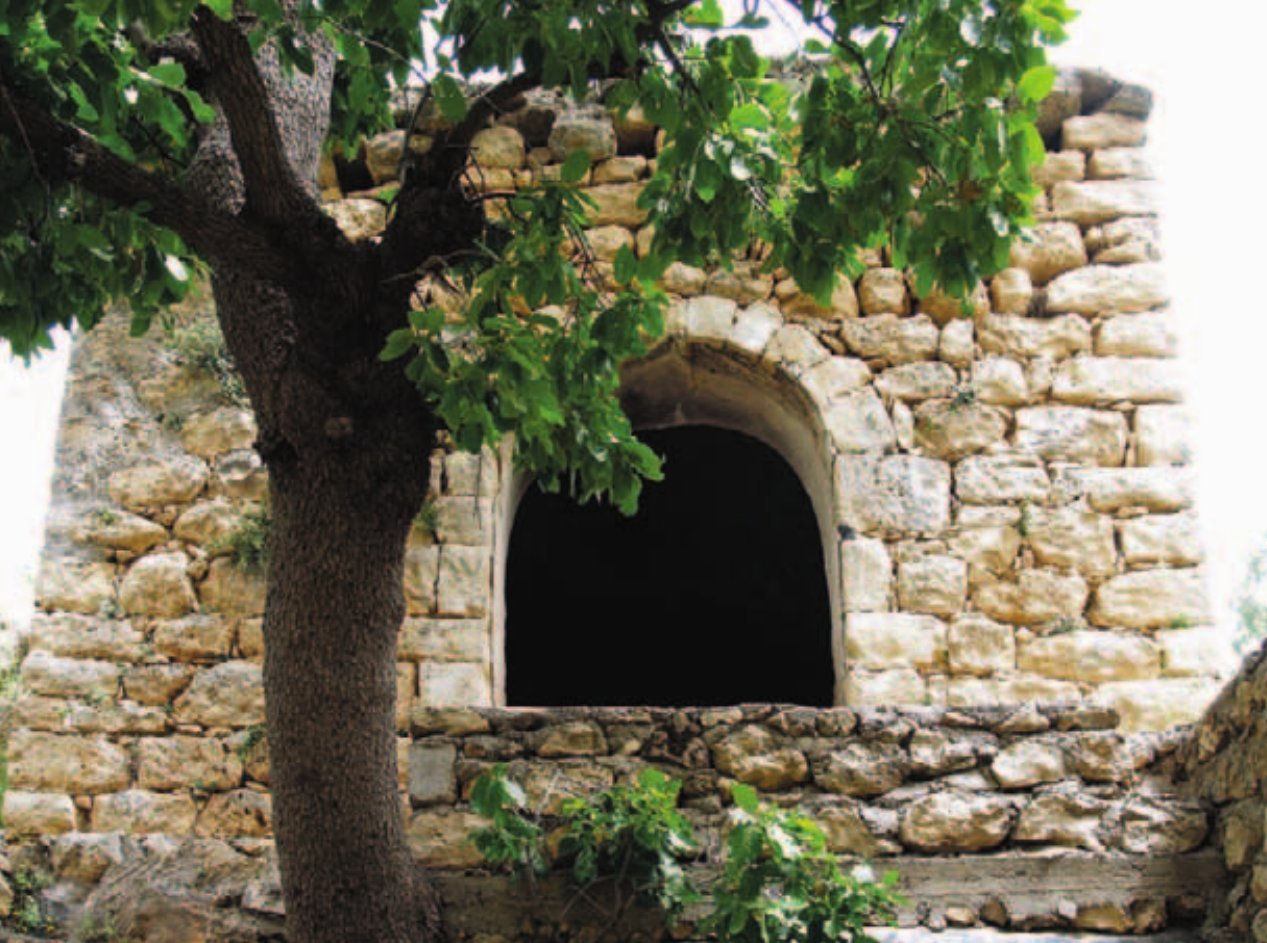
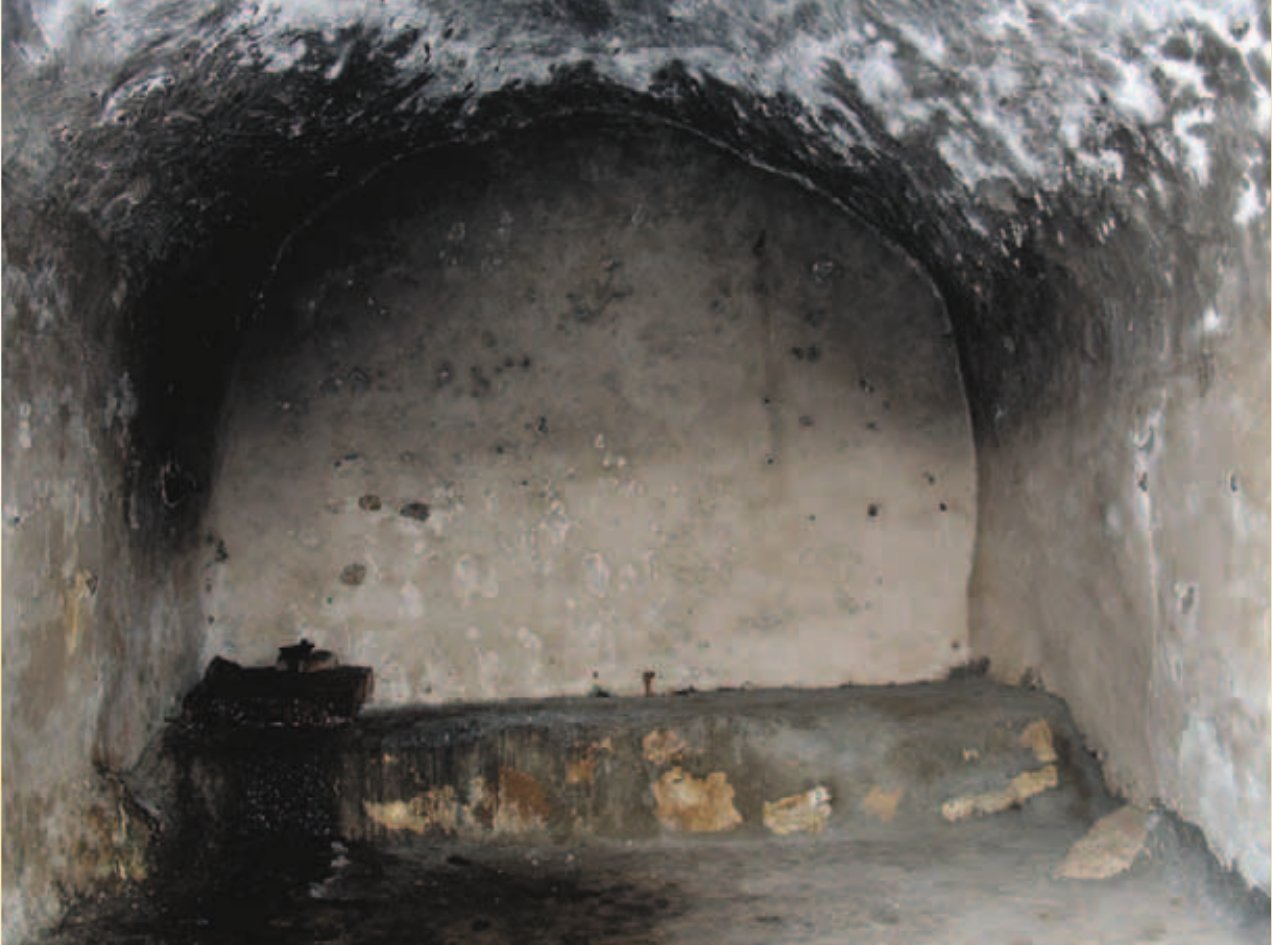
The Avayê Êzîd is a rubble-stone building with a round arch under a tree; inside, a vaulted, soot-blackened niche.
Hecî Mihemed and Alûbekir
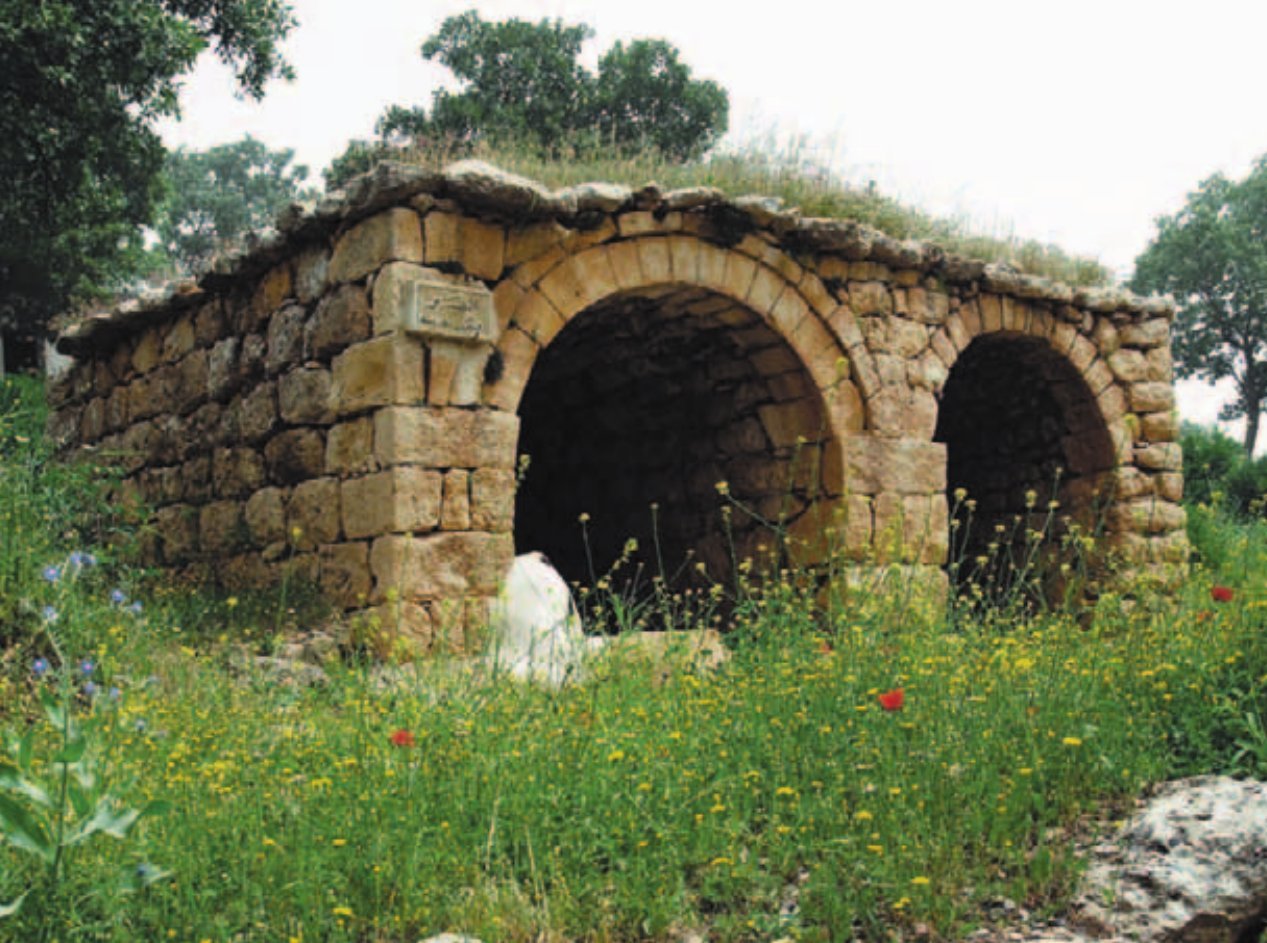
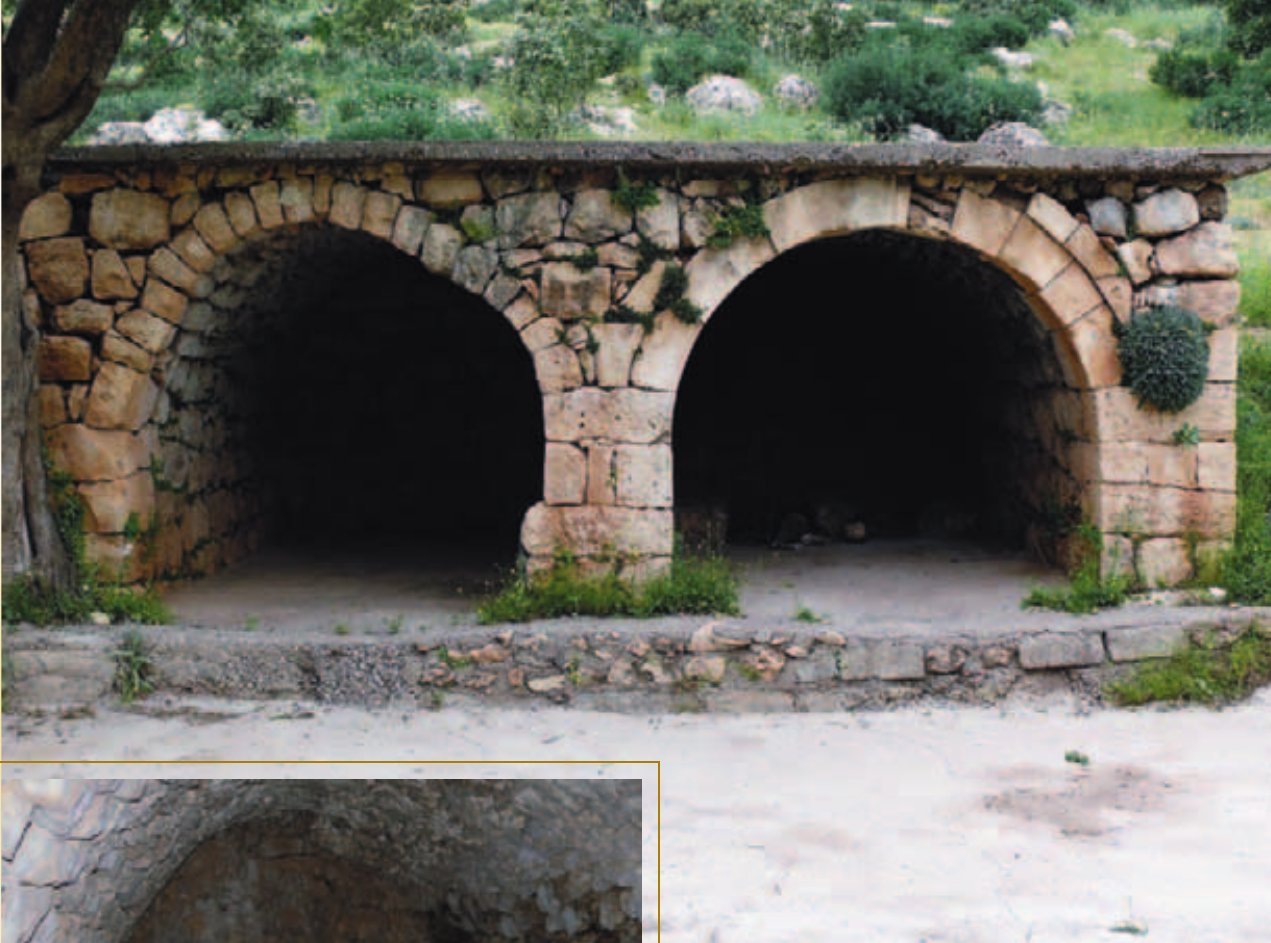
The Aqida Hecî Mihemed and the Aqida Alûbekir are memorial buildings with two arches in a meadow. According to the list of wicks, Hecî Mihemed is considered the scribe of Melek Şêx Sin. According to Açıkyıldız, the mausoleum of Alû Bekir, like those of Şêx Ebû Bekir, Pîr Cerwan and Xatûna Fexra, is built over a holy stone (kevir) on which wicks are lit for wishes.
Pîr Sînî Behrî, Qedîbilban and Şêxûbekir
Şêx Ebdilqadirê Rehmanî
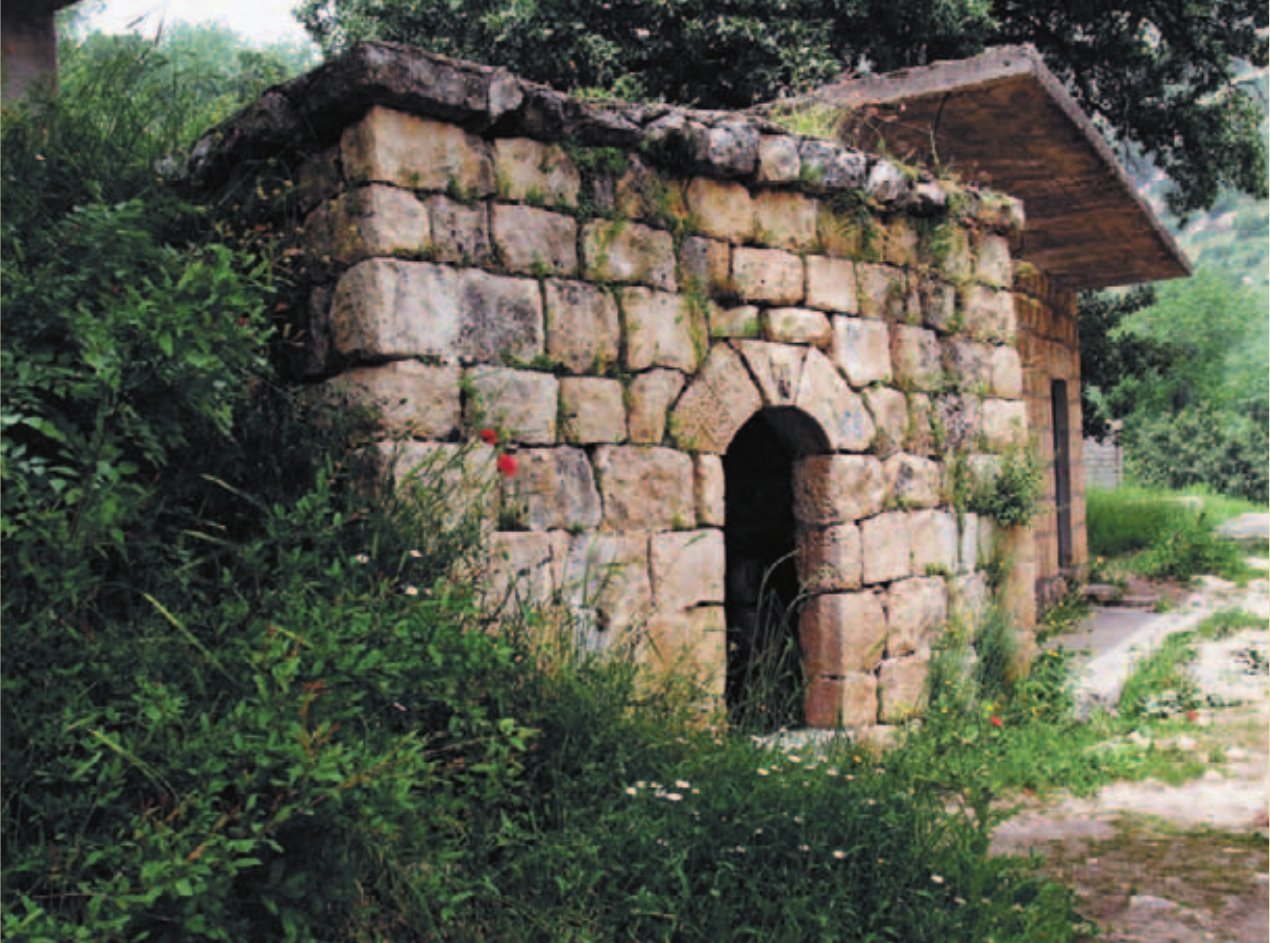
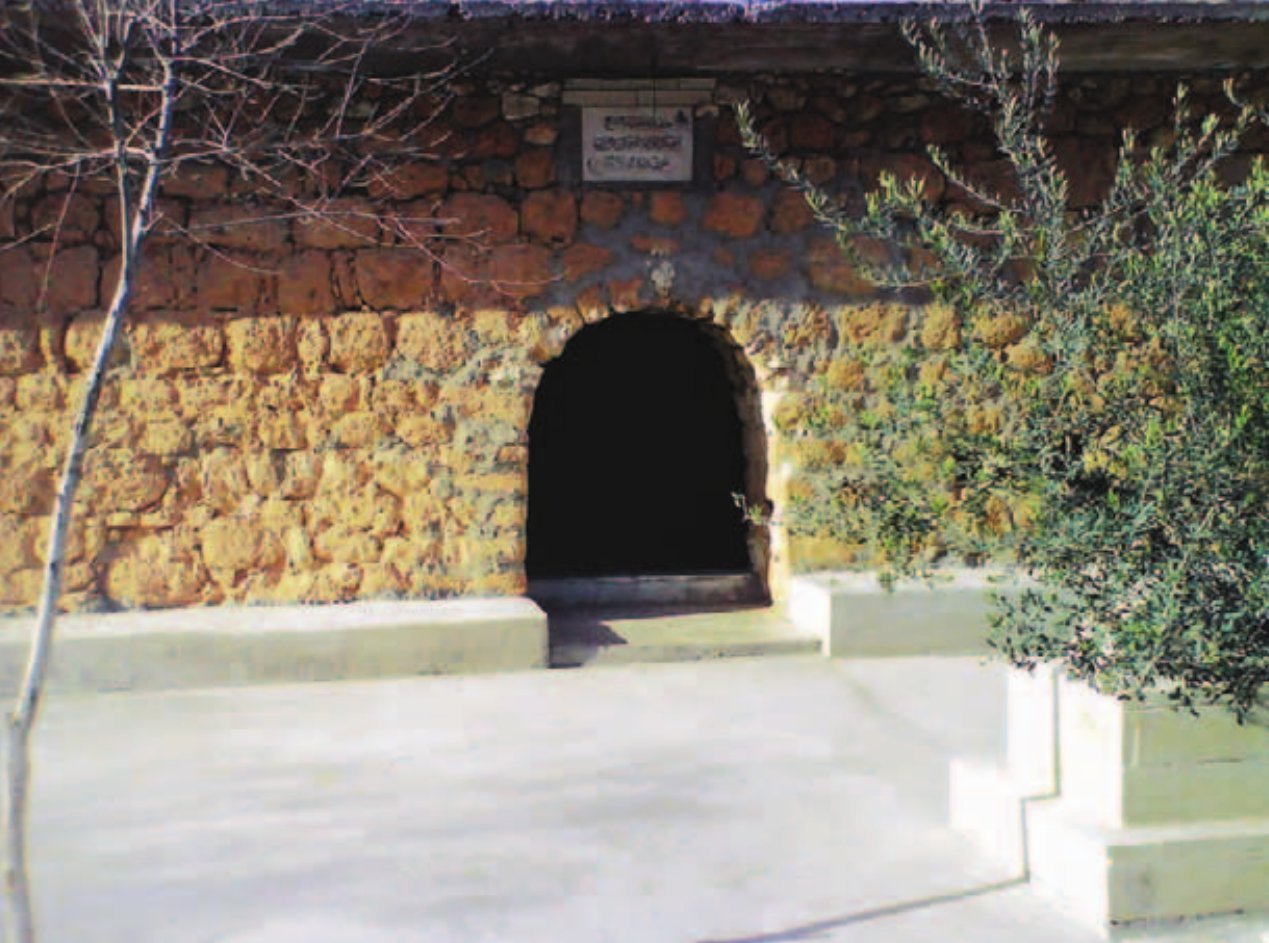
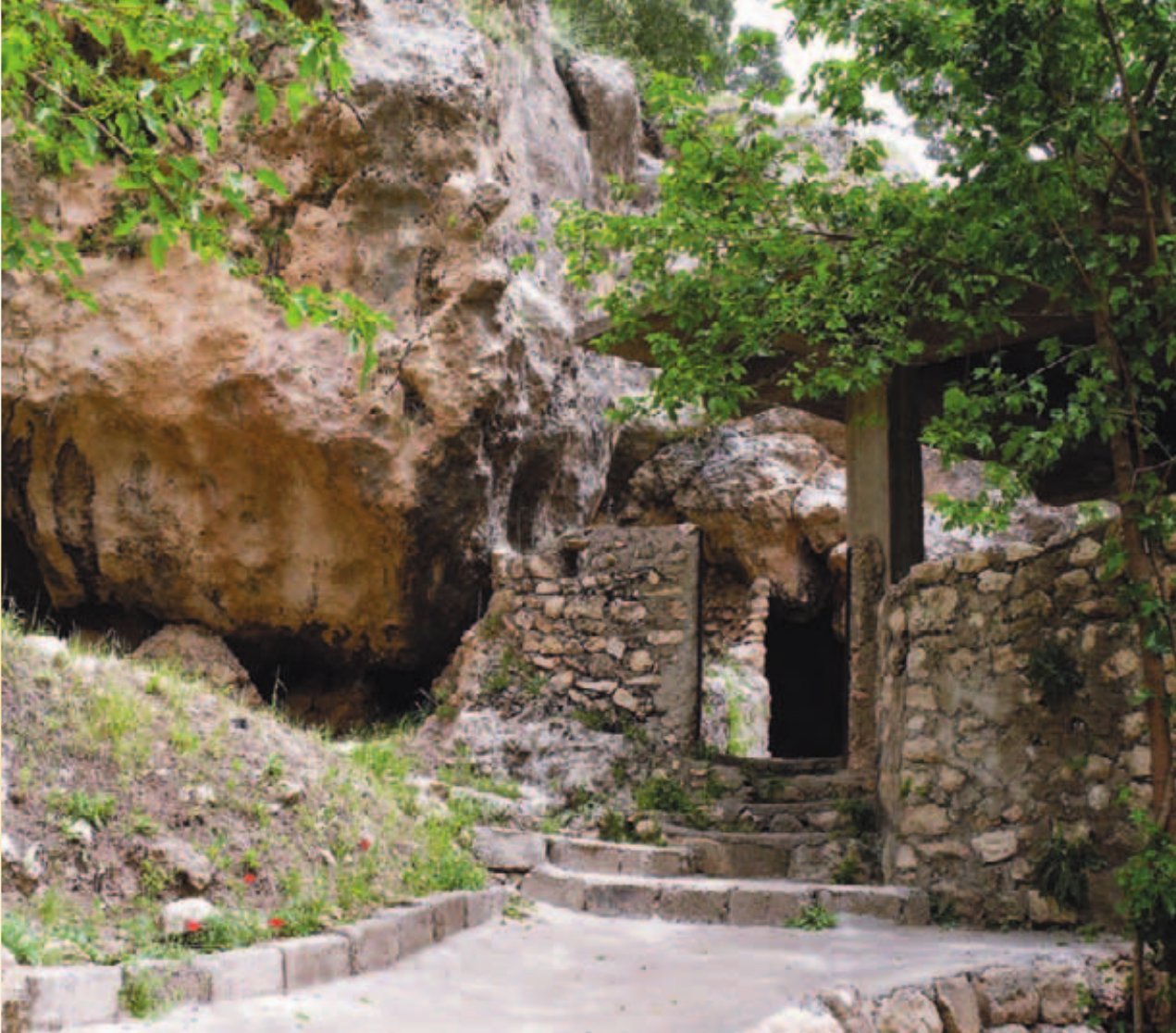
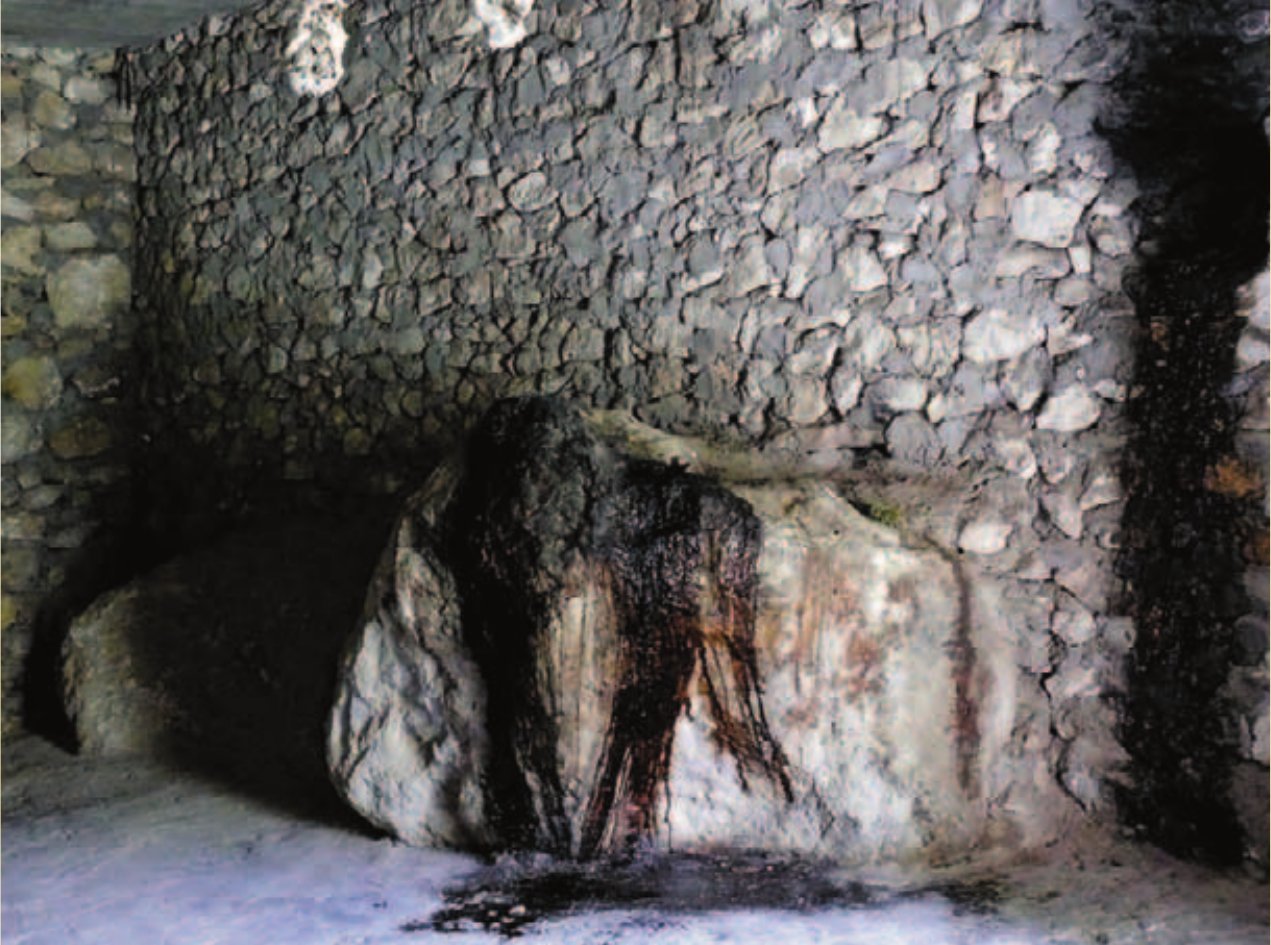
The building of Şêx Ebdilqadirê Rehmanî lies against the rock. According to the photo book, he was a brother of Şêxûbekir and of Şêx Simayîlê Enzelî. Inside lies his tomb; behind a curtain is a "place of the spirits" (cin). At the Cejna Cimaiyê the Sema is also danced here by day.
Pîr Cerwan
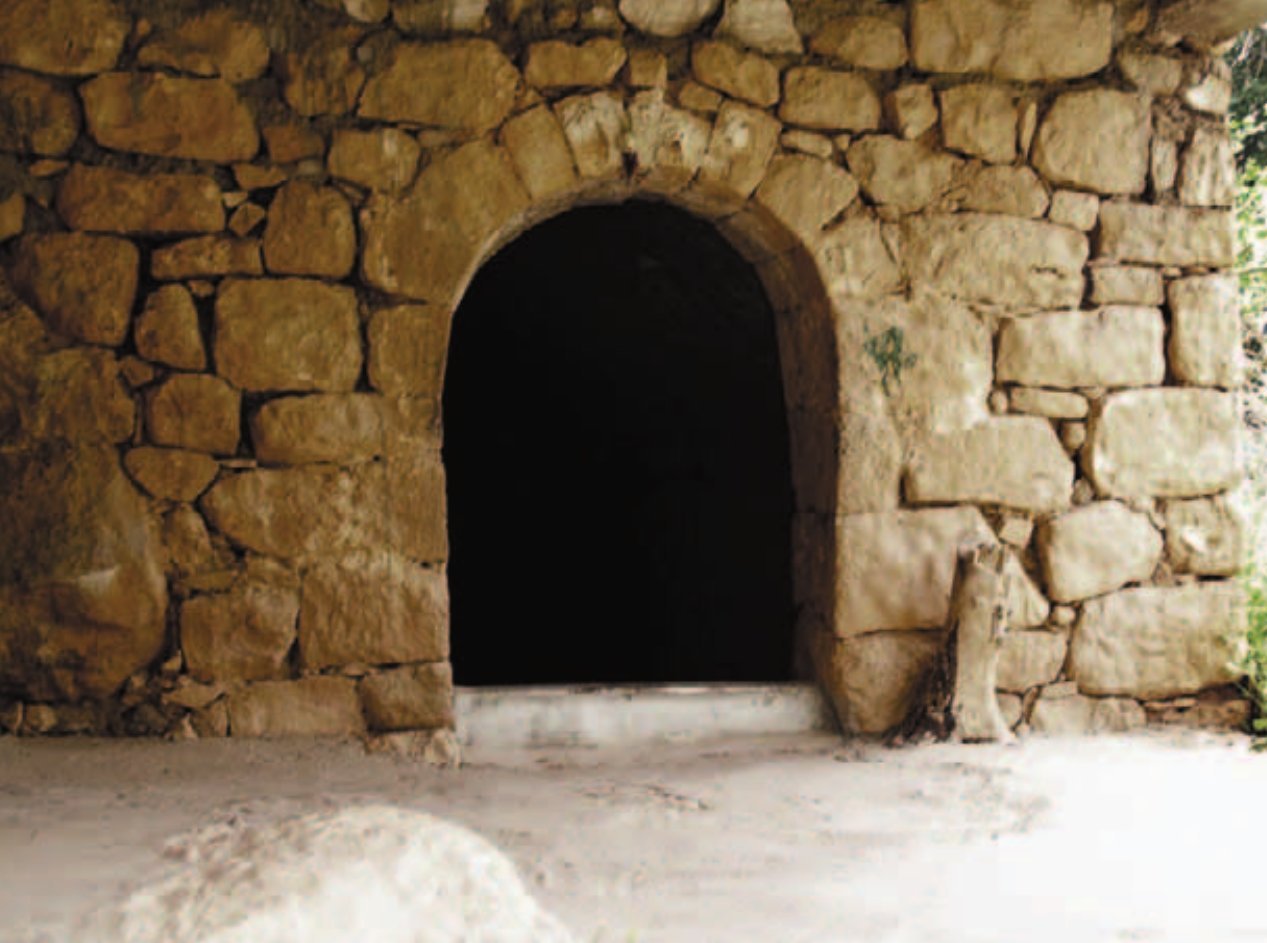
The building of Pîr Cerwan has an arched entrance and a vaulted interior. According to Kreyenbroek, Pîr Cerwan is connected with scorpions; according to Açıkyıldız, he helps against scorpion stings.
The buildings of the Şemsanî
Several buildings belong to saints from the family of Şêşims, the Şemsanî: the building of Amadîn, the door of Mîr Êzdîn, the buildings of Şêx Alê Şemsa and Şêx Tokilê Şemsa and that of Şêx Babik. On the sanctuary of Şêşims itself see Sanctuary of Şêşims.

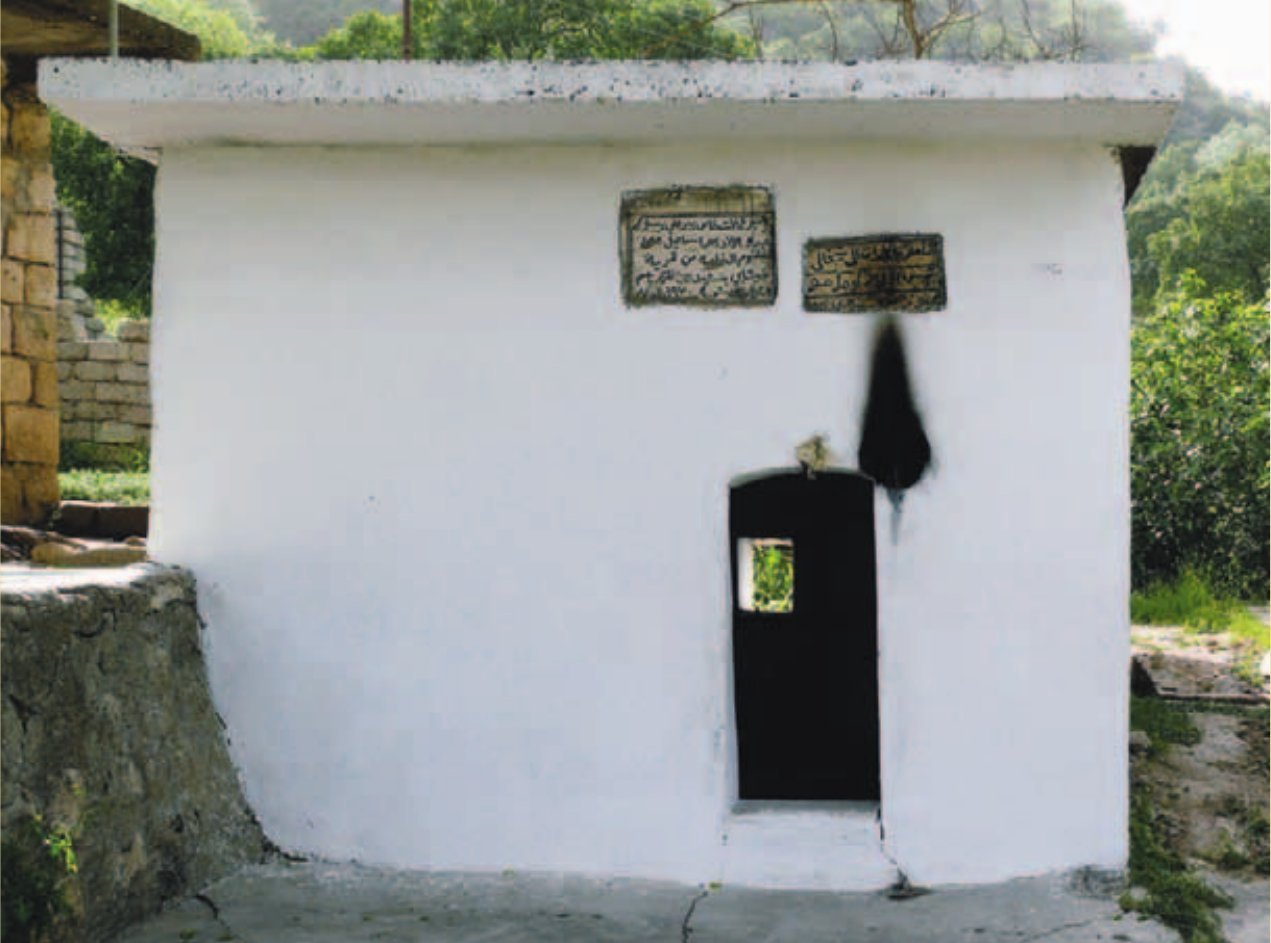
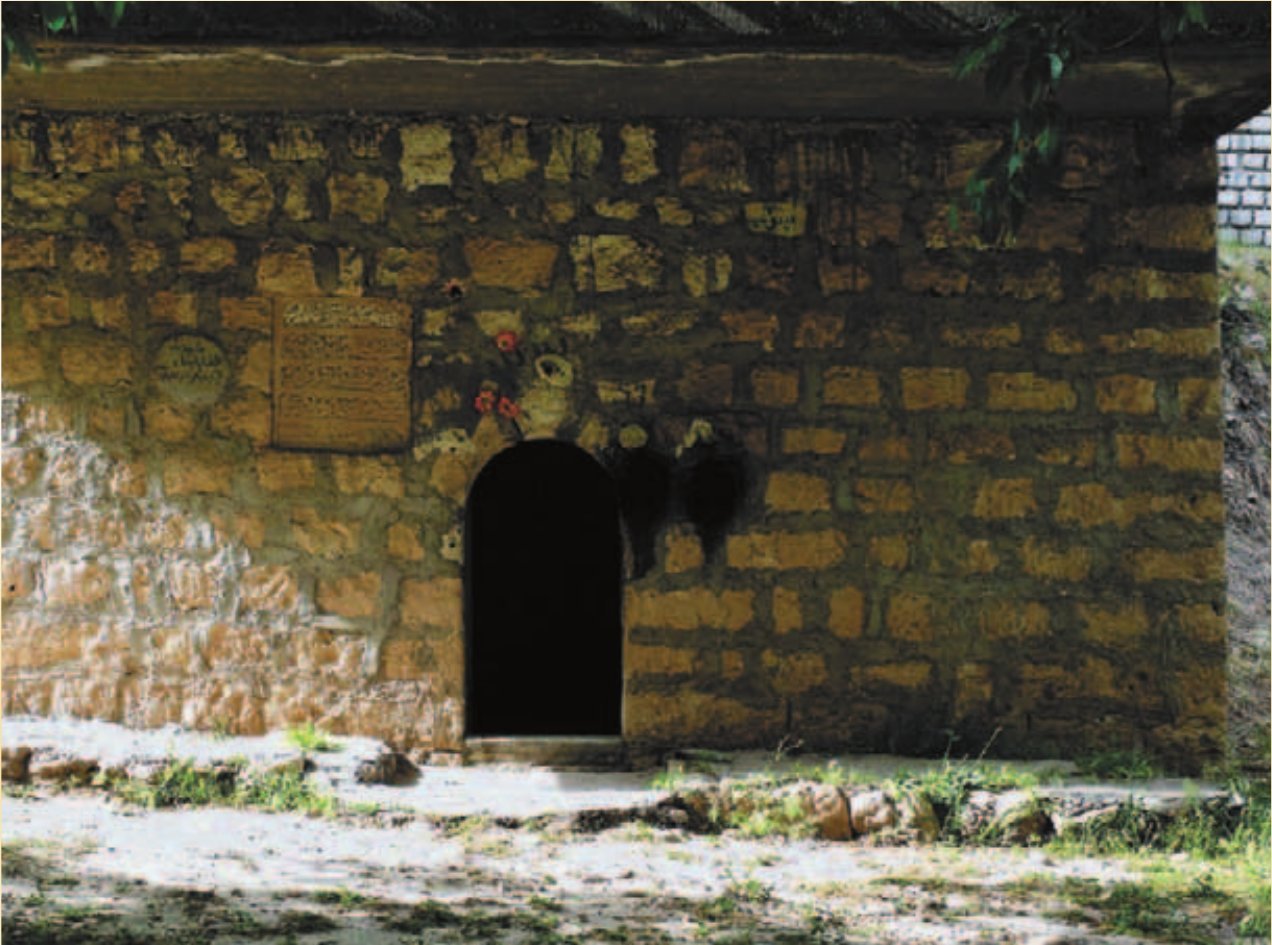
Others
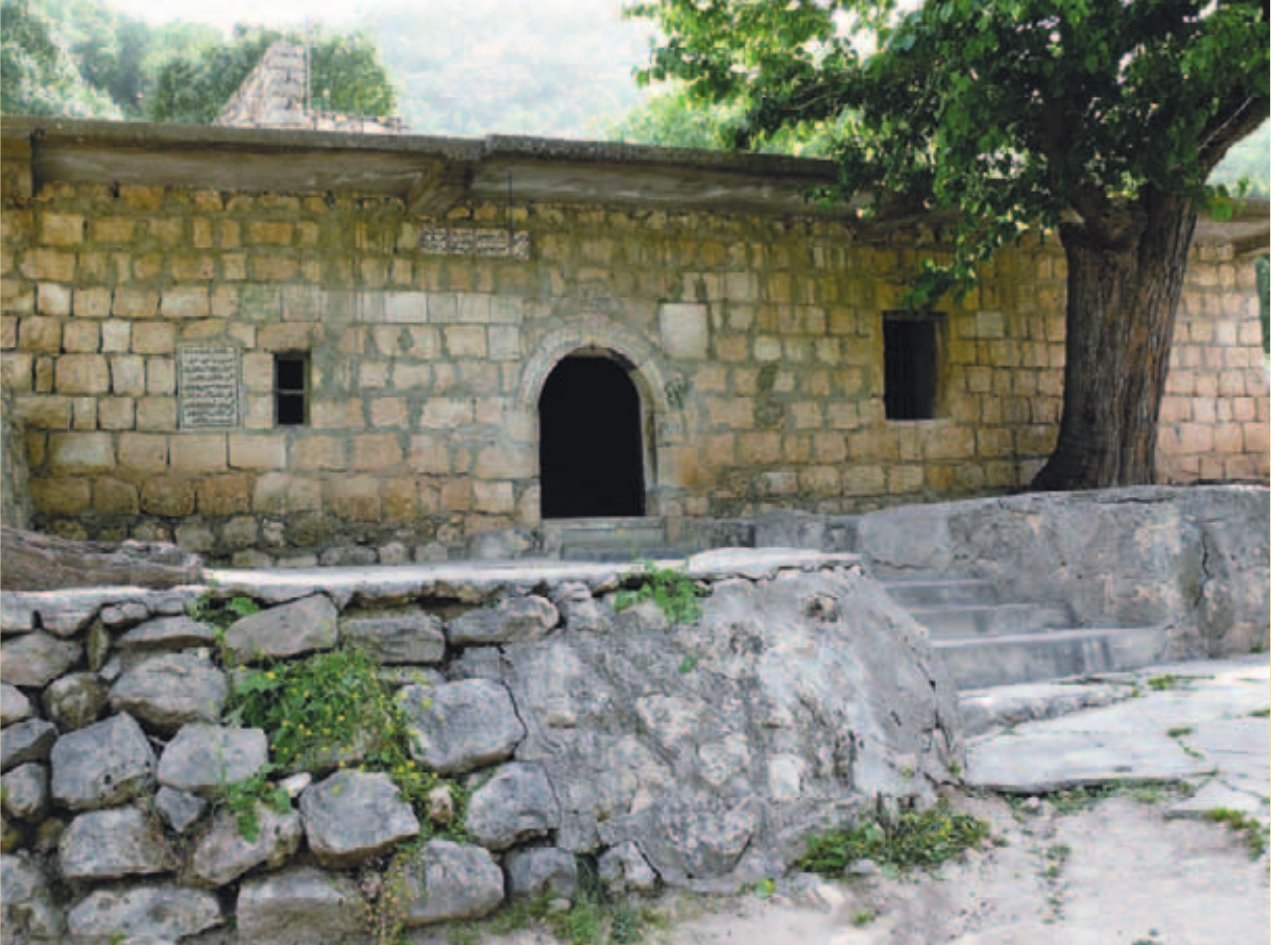
- Avayê Pîr Kivanê Rût – a long rubble-stone wall with arched openings;
- Avayê Mehmedê Reben – a building with a low entrance; above the building of Şerfedîn lies his cave;
- Avayê Hacîyalê Momin – with a door and a barred window;
- an old building with a pointed vault of rubble stone.
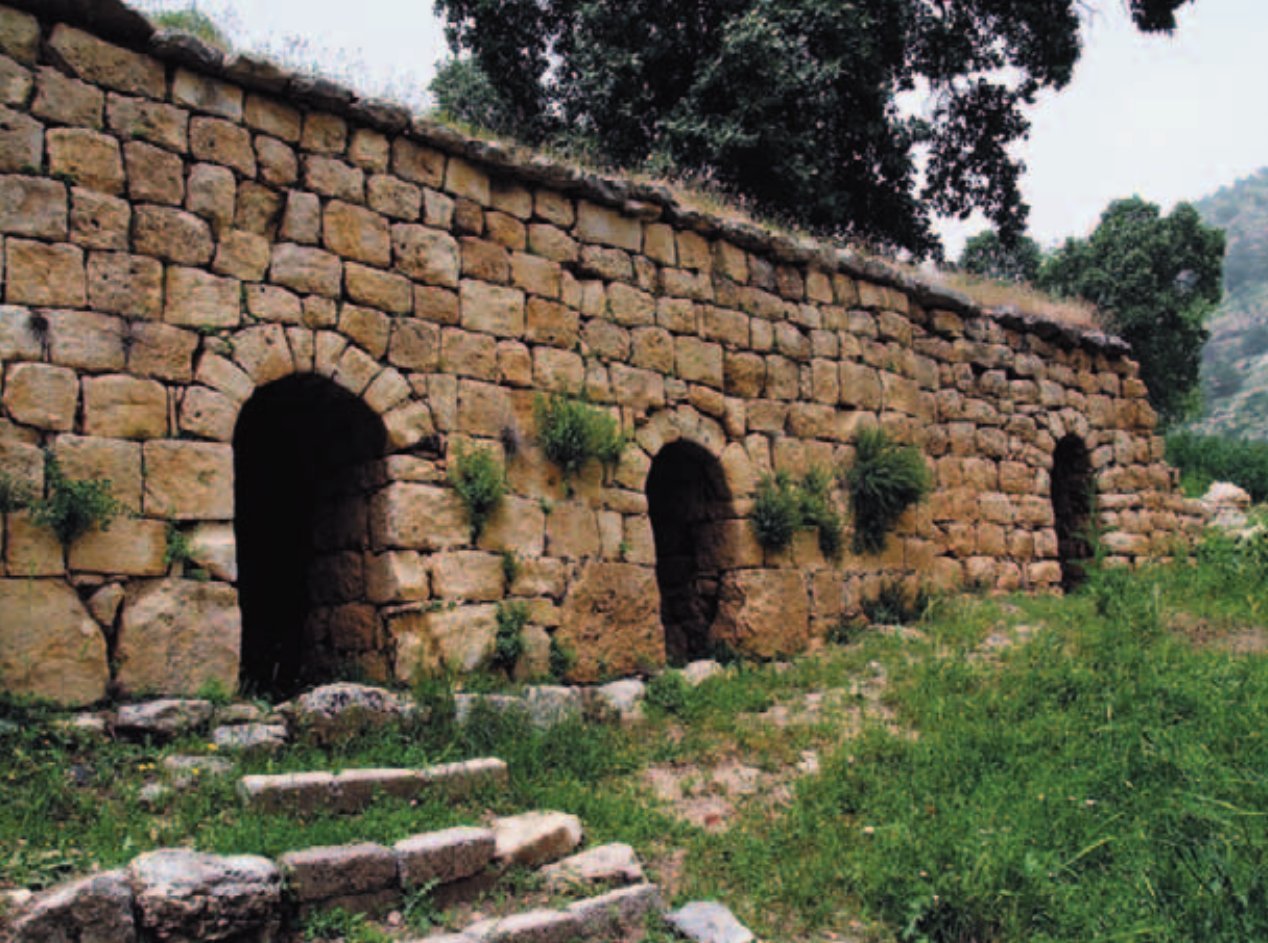
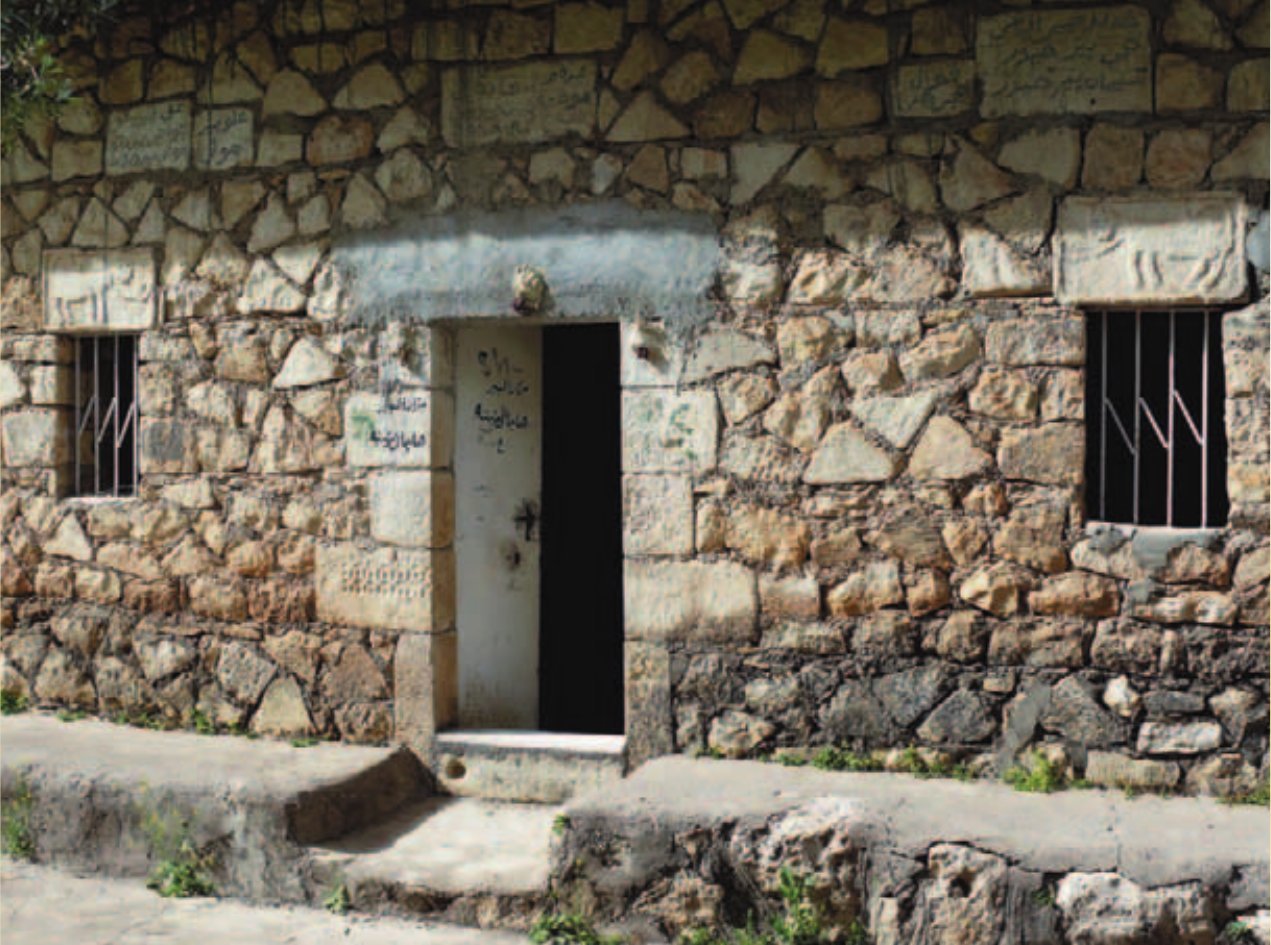
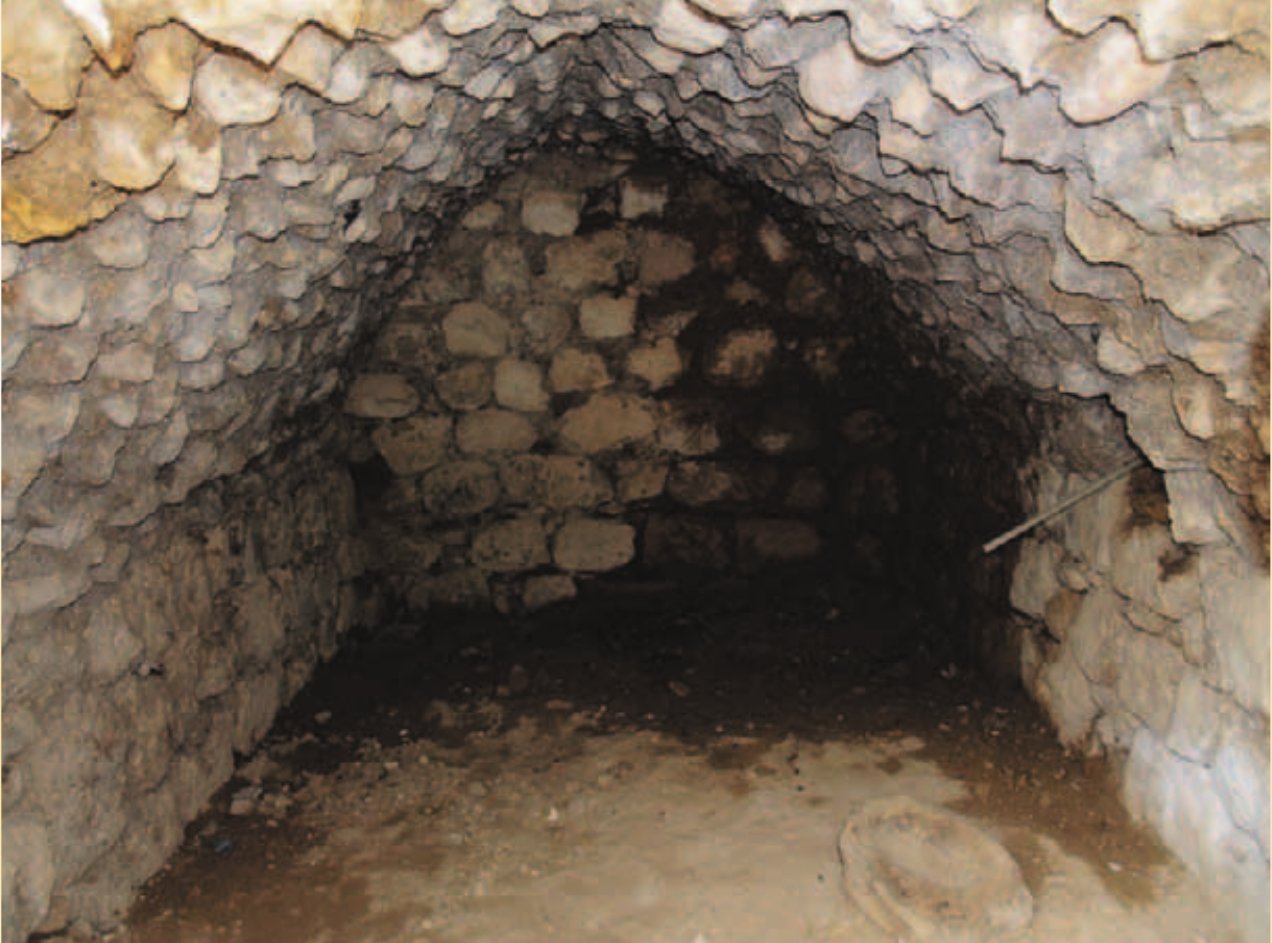
Caves of the saints (Memê Şivan, Omer Xala, Pîr Mihemedê Reben et al.) are described in the article Caves, the buildings for kitchen, guests and servants in the article Kitchen, hostels and service buildings. On the saints themselves: Xas and Mêr.
Sources
- S. A. Grigoriev, L. V. Ivasko, D. V. Pirbari (P’îr Dîma): Lalişa Nûranî / Святой Лалыш / Holy Lalish. Yekaterinburg: Basko 2008, p. pp. 26–29, 36, 81–82, 100–119, 132–151
- Birgül Açıkyıldız: The Yezidis. The History of a Community, Culture and Religion. London 2010, p. pp. 143, 158
- Philip G. Kreyenbroek, Khalil Jindy Rashow: God and Sheikh Adi Are Perfect. Sacred Poems and Religious Narratives from the Yezidi Tradition. Wiesbaden: Harrassowitz 2005, p. p. 13
- Austen Henry Layard: Nineveh and Its Remains, Vol. 1. London 1849, p. pp. 283–293 (PDF 336–346)
Found a mistake?
Is something wrong – a fact, a spelling, a source, an image? Let us know: we check every report and correct the article.
Other spellings: Kolana Şêx · Avayê Pîr · Kolanen Lalise · Kolanen Lalische · Kolanen Lalishe · Kolana Zebeniya · Kolana Sheikh Mend · Kolana Scheich Mend · Kolana Sex Mend · Avaye Ezid · Avay Ezid · Avay Êzîd · Avaye Alubekir · Avay Alubekir · Avay Alûbekir · Avaye Pir Cerwan · Lalish · Lalisch · Lalesh · Ezidiki