
Lalîş is rich in caves (şikeft, also şikevt). A Qewl says that the sarcophagus of Şêx Adî lies "at the entrance to cave and grotto" (kaf û mixare); according to Kreyenbroek, both lie beneath the sanctuary. Some caves are places of devotion and fasting, from one the holy earth for the Berat is taken, and in others, according to belief, spirits dwell.
The list of caves
The text in Êzdîkî of Lalişa Nûranî names:
| Cave | Location |
|---|---|
| Şikefta Berata (cave of the Berat earth) | between the building of Şêşims and that of Xatûna Fexra |
| Şikevta Şêx Mend | in front of the building of Şêx Mend |
| Şikevta Seyîdê Nuh | in front of the building of Xatûna Fexra |
| Şikevta Mehmedê Reben | above the building of Şerfedîn |
| Şikevta Omer Xalan | on Mount Erefat |
| Şikevta Hesin Çinarî | next to that of Omer Xala |
| Şikevta Zimzimê | beneath the main building |
| Şikevta Stûna Miraza | with the wishing column |
| Şikevta Mîr Birahîm | on Mount Hizret |
| Şikevta Cina (cave of the spirits) | on Mount Mişrûgyan, near the Geliyê Qewala |
| Şikevta Çilexanê | beneath the main building |
Çilexane – the cave of the forty days
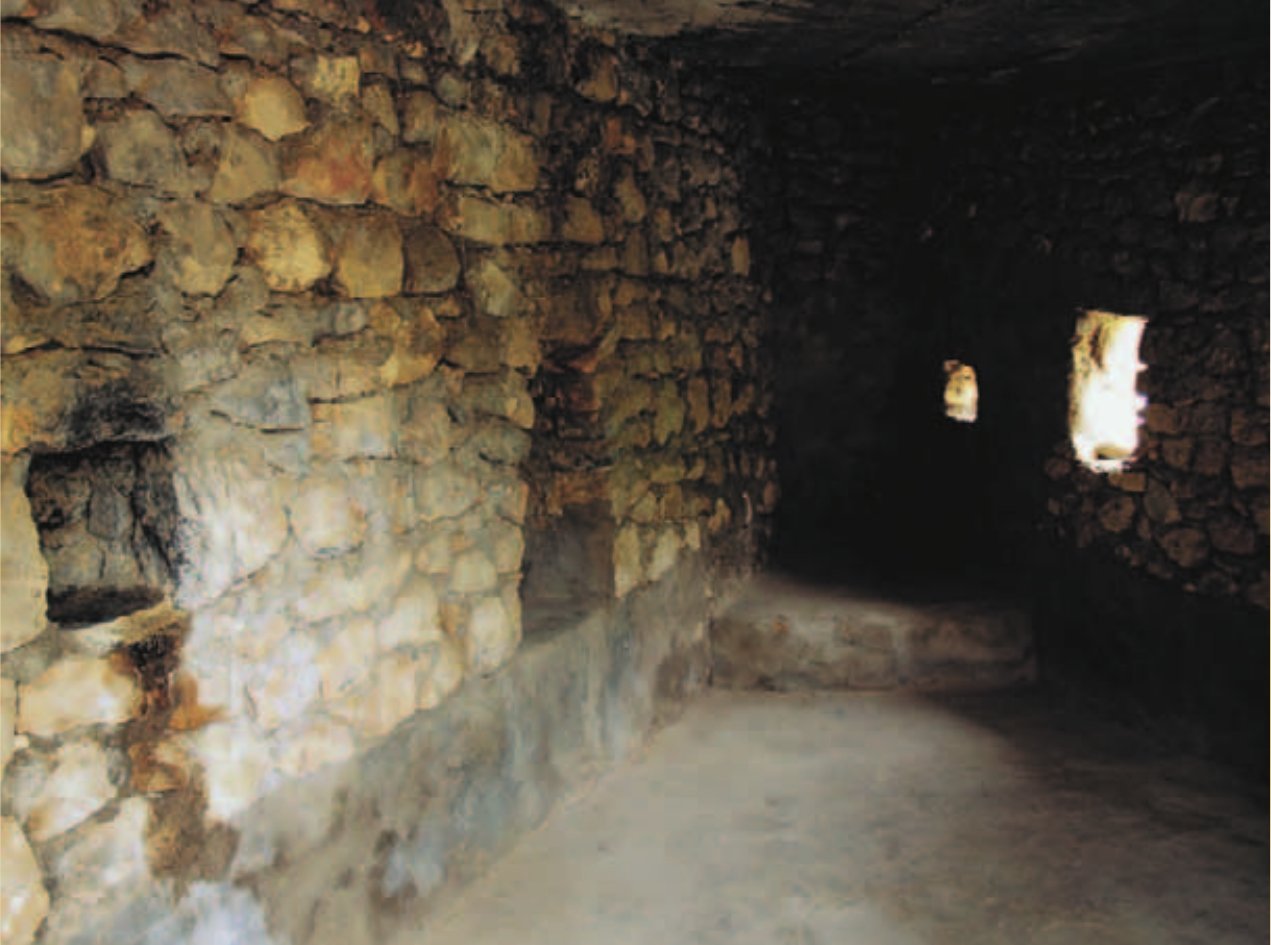
The Çilexane lies beneath the temple. Şîxadî is said to have stayed here – according to the English version of Lalişa Nûranî, he fasted here for forty days. The Zimzim water flows through it. There are many old graves there, according to the English version bones of saints, among them of Koçek Birahîm. Only Feqîr and the Çilegir (the clergy who keep the forty-day fast) may enter; the English version says: servants and the highest clergy.
For the two forty-day fasts, Çilê havînê (summer) and Çilê zivistanê (winter), the Çilegir go into the Çilexane; on the first and last day hymns are sung there. On holidays oil wicks burn; the list names "forty wicks and lamps of the Çilexane" (Lalişa Nûranî). According to Kreyenbroek, in summer Baba Şêx, Koçek and others fast three days in Lalîş, then at home, and return three days before the end. → Fasting
According to Açıkyıldız, the Çilexane has eight rooms on both sides of a passage; she considers it the oldest known Ezidi building, the hermitage of Şêx Adî, from which the whole sanctuary grew. Above the Çilexane lies the roof Banê kahfê by the wood store (Lalişa Nûranî, p. 30); the list of wicks names it "Banê kafê (east gate)".
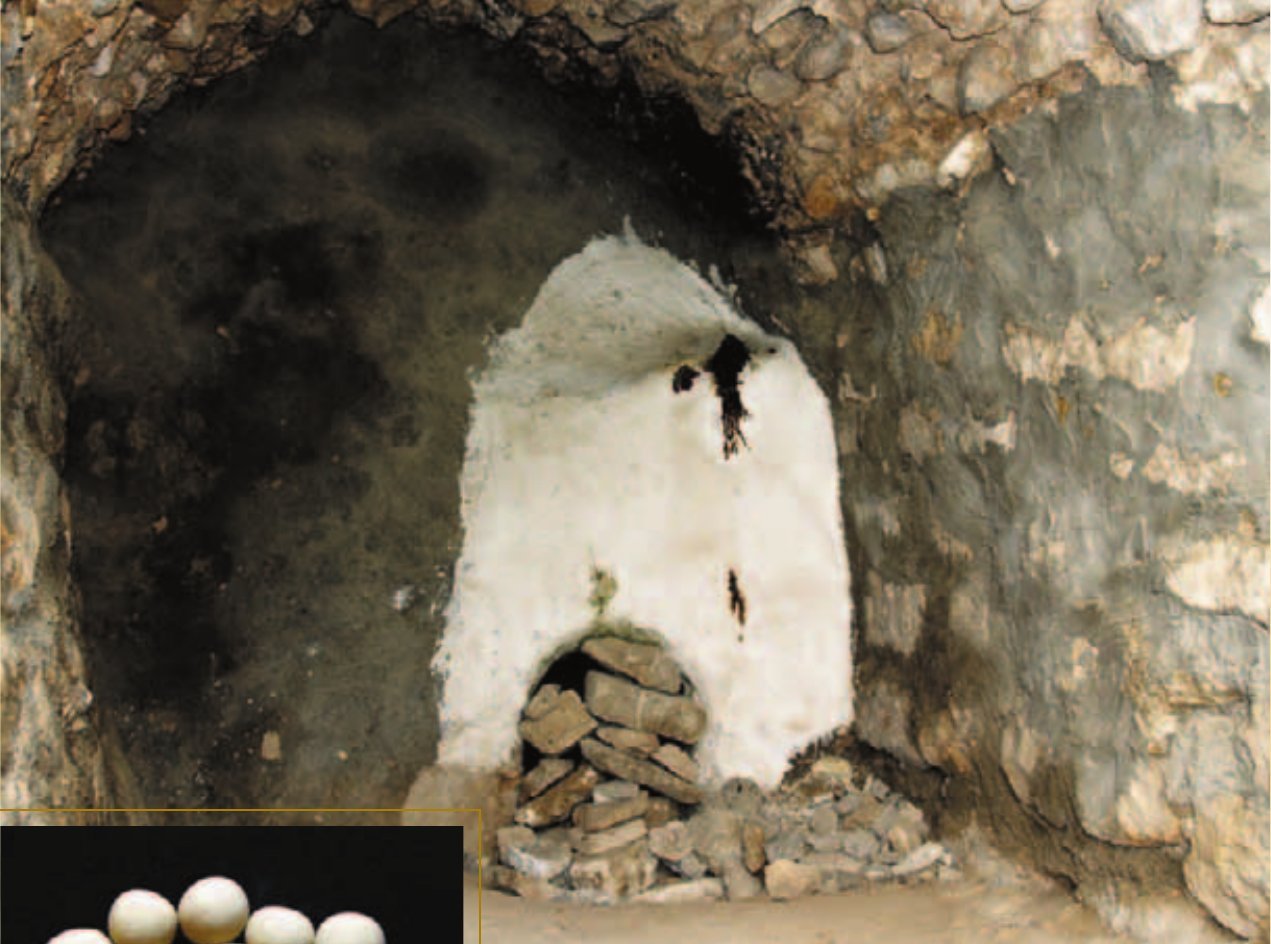
Şikefta Berata
A very large, old cave with a very narrow, small entrance; one climbs up on one's hands. Inside it is three to four meters wide. With lamps one goes in, digs earth, sifts it and kneads the Berat from it (Lalişa Nûranî). According to the photo book, the cave is "thousands of years" older than Şîxadî. → Berat
Caves of the saints
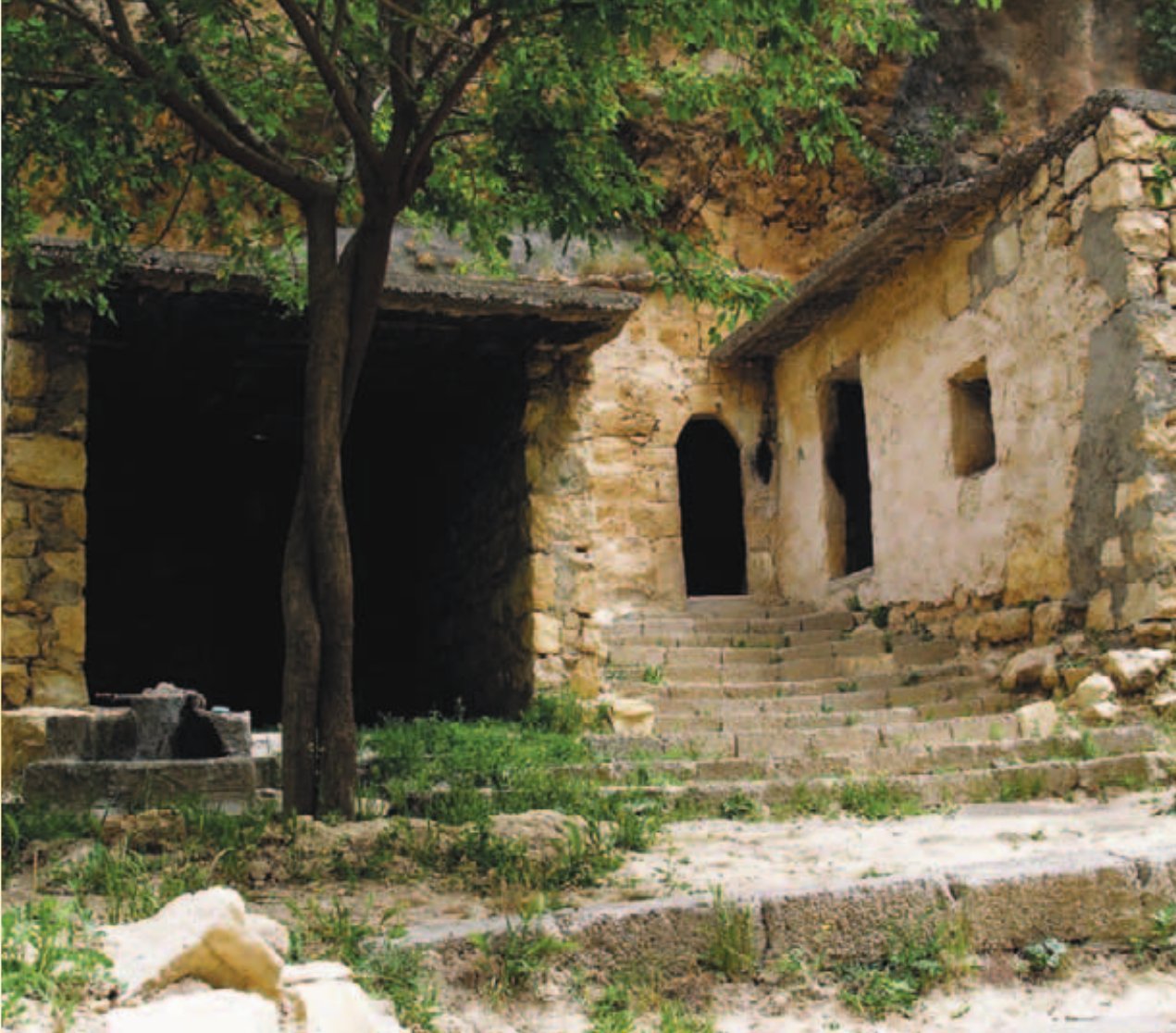
Mem Şivan and Ebdirehman
Side by side lie the caves of Memê Şivan – the holy shepherd, patron of sheep and goats – and of Ebdirehman (Lalişa Nûranî). According to the caption, the wishing column Stûna Miraza stands in the cave of Memê Şivan (Wishing stones).
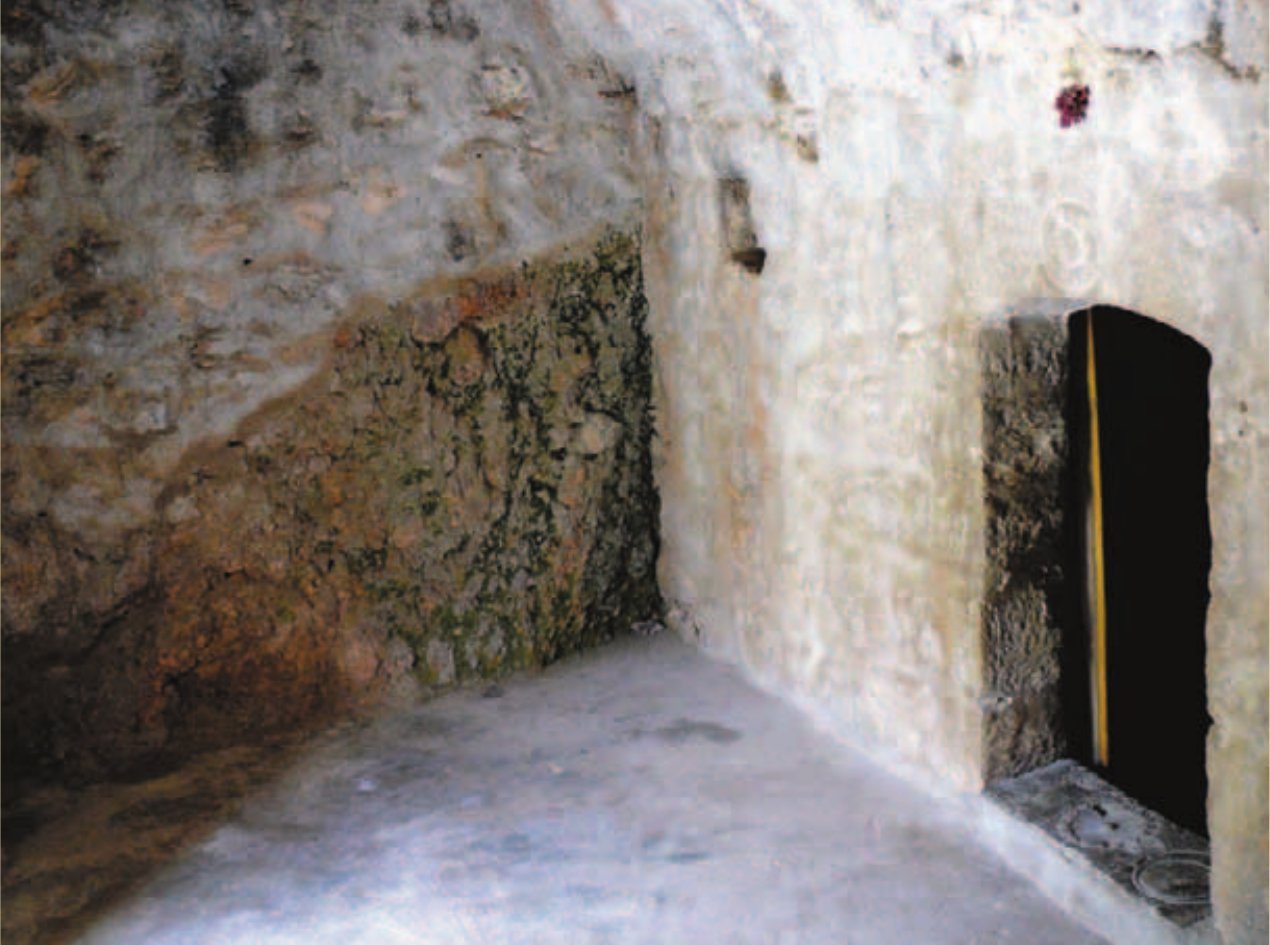
Pîr Mihemedê Reben
A cave with a narrow door in a whitewashed wall.
Omer Xala and Hesençinarî
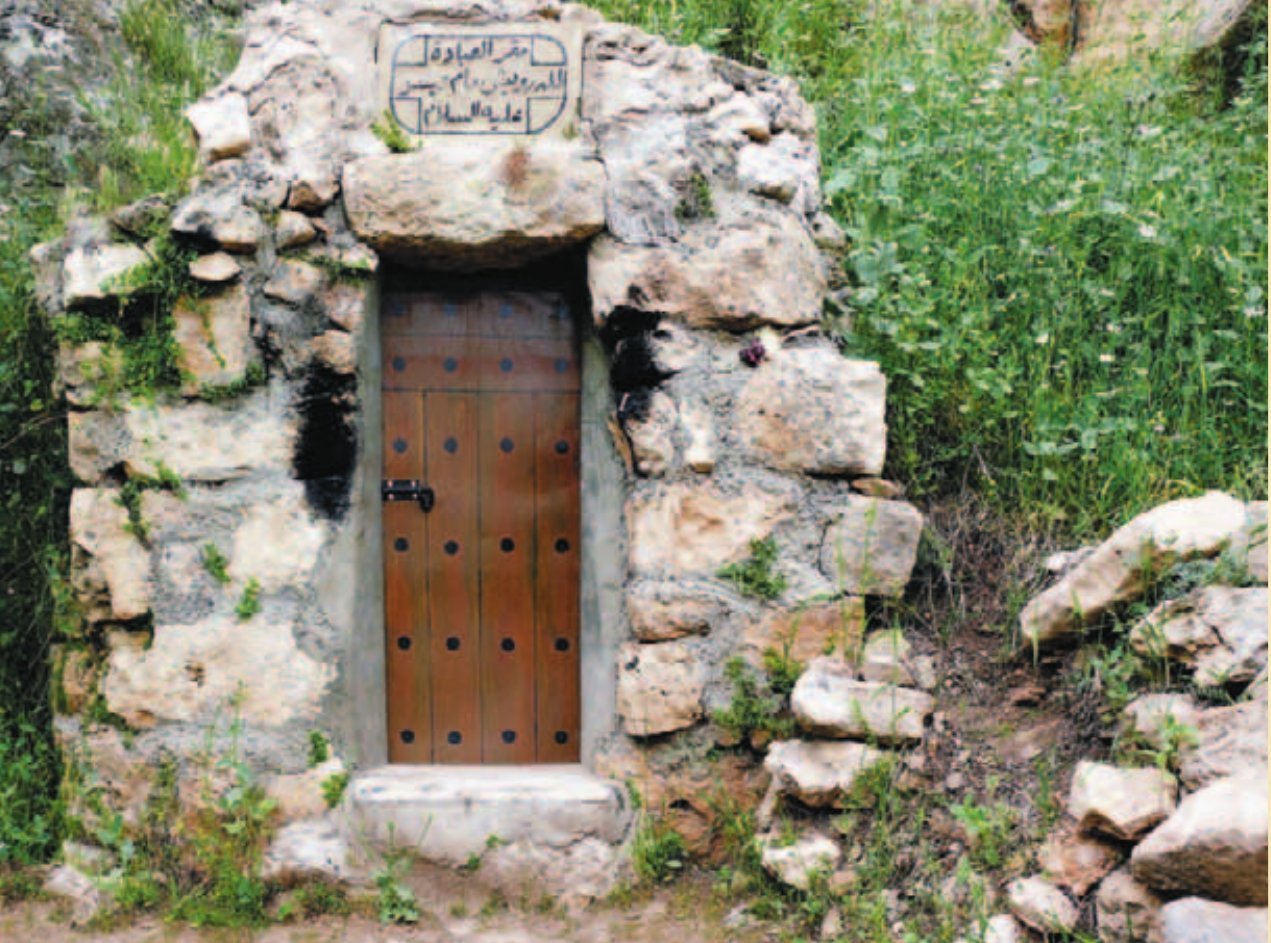
On Mount Erefat lie the caves of Omer Xala and his brother Hesençinarî. According to the photo book, the cave of Omer Xala was the place of devotion of the dervish Babê Îso; behind the olive grove stands his oak (Holy trees).

Seyîd Niûm
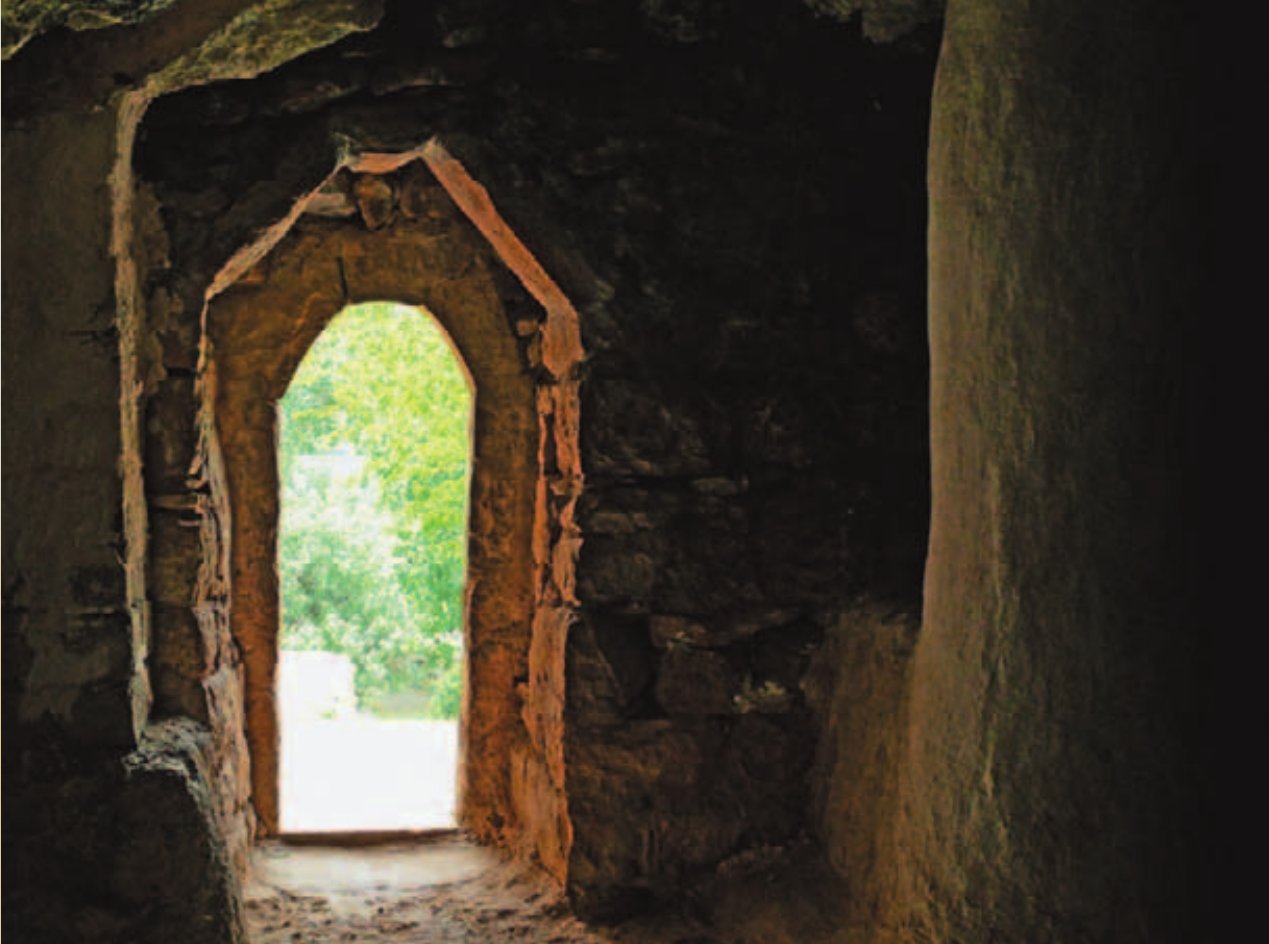
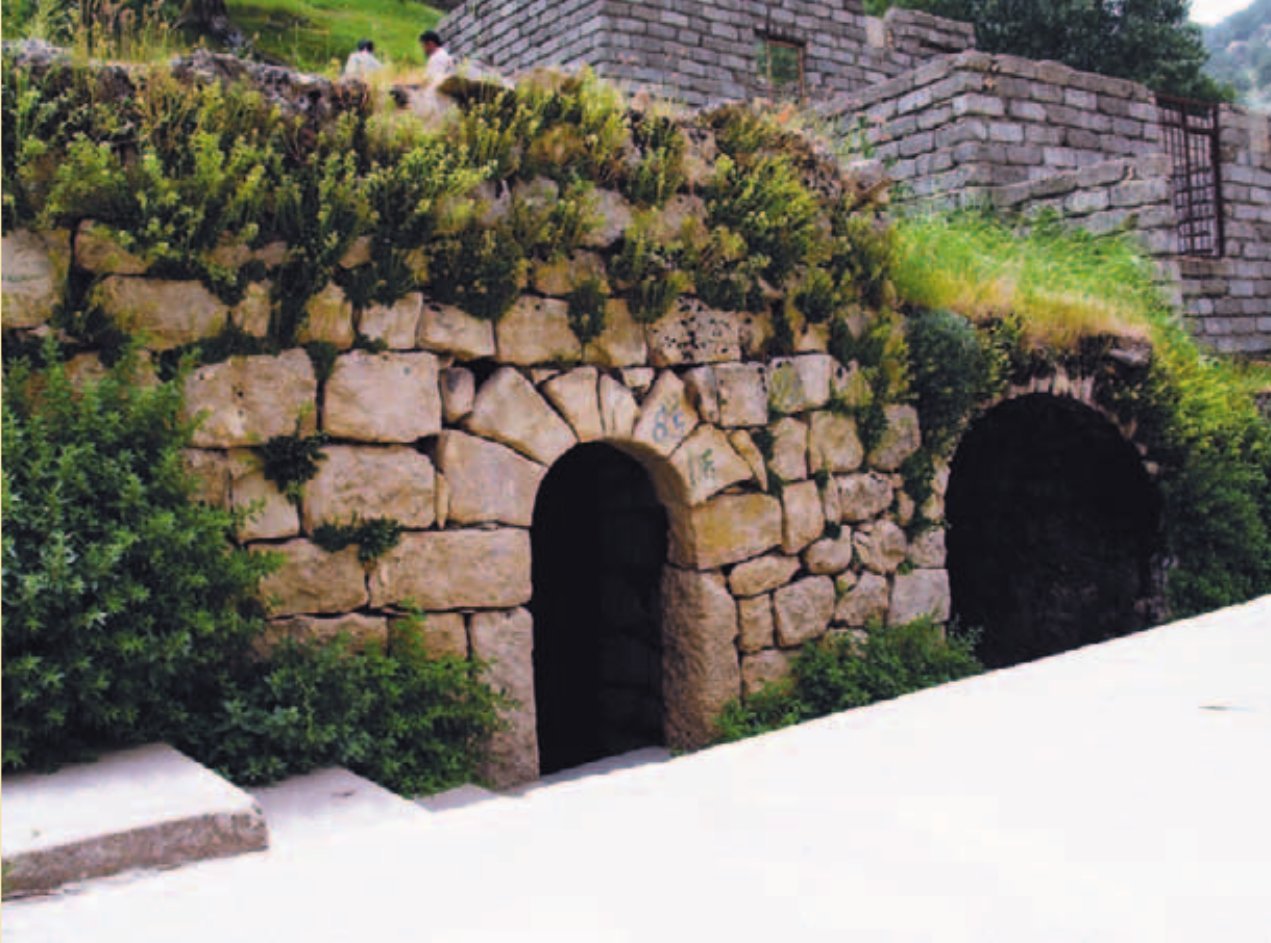
Above the cave of Seyîd Niûm (in the list Seyîdê Nuh) stand vaulted buildings with arched entrances.
Places of the spirits
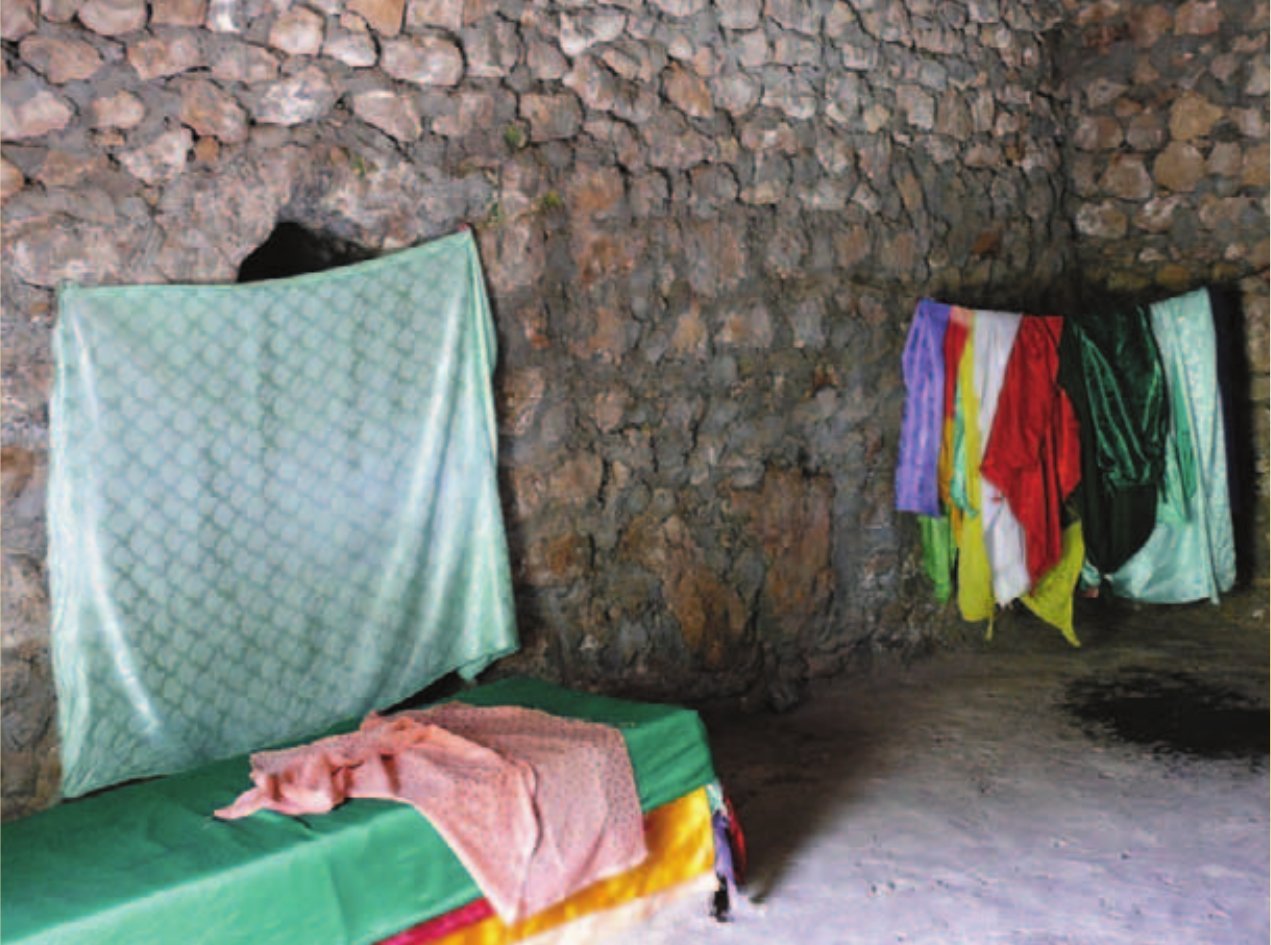
According to belief, there are places of the spirits in Lalîş (cin, also me çêtir, "those who are better than us"). A cave of the spirits lies on Mount Mişrûgiya (Mountains). In the building of Şêx Ebdil Qadir there is a "place of the spirits" behind a curtain (Lanes and buildings).
Açıkyıldız also names the caves of Pîr Hemedî Boz (the largest, round), of Pîr Mahmûd and of Pîr Memê Reş.
Sources
- S. A. Grigoriev, L. V. Ivasko, D. V. Pirbari (P’îr Dîma): Lalişa Nûranî / Святой Лалыш / Holy Lalish. Yekaterinburg: Basko 2008, p. pp. 30–37, 92, 118, 127–141, 203
- Philip G. Kreyenbroek, Khalil Jindy Rashow: God and Sheikh Adi Are Perfect. Sacred Poems and Religious Narratives from the Yezidi Tradition. Wiesbaden: Harrassowitz 2005, p. pp. 17, 38
- Birgül Açıkyıldız: The Yezidis. The History of a Community, Culture and Religion. London 2010, p. pp. 152–156, 194
Found a mistake?
Is something wrong – a fact, a spelling, a source, an image? Let us know: we check every report and correct the article.
Other spellings: Sikeft · Schikeft · Shikeft · Sikevt · Schikevt · Shikevt · Michare · Mikhare · Cilexane · Tschilechane · Chilekhane · Cilxane · Tschilchane · Chilkhane · Sikefta Berata · Schikefta Berata · Lalish · Lalisch · Lalesh · Qawl