
The Sûka Merîfetê ("market of knowledge"; merîfet means mystical, religious knowledge) is the forecourt at the entrance to the temple courtyard of Lalîş, in front of the gate Dergê Mîr. Kreyenbroek translates the name as "market of mystical knowledge".
Form
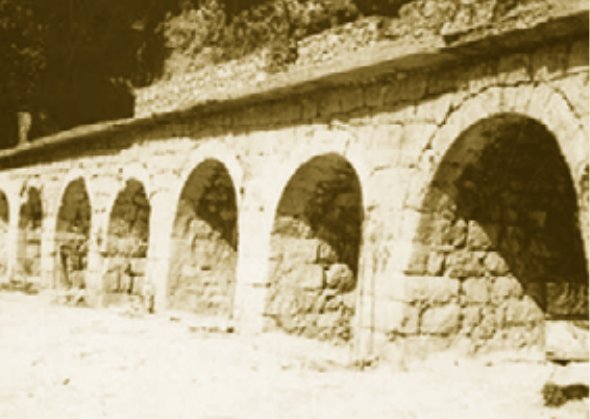
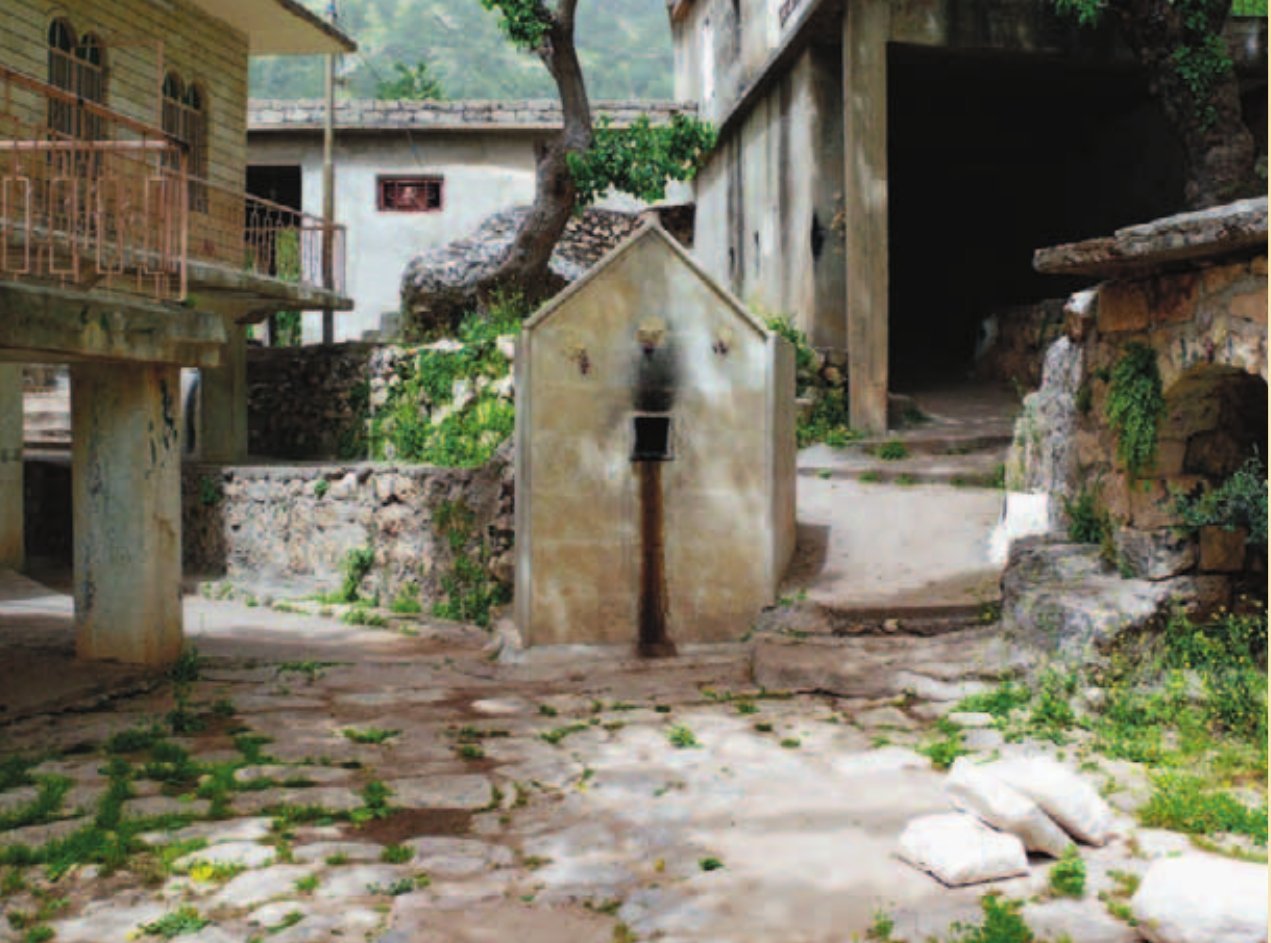
According to Açıkyıldız, the Sûka Merîfetê consists of eight barrel vaults of different sizes, built against the rock on the north side of the forecourt and open to the south. In former times there was a market here during the pilgrimage season; today the square is used for the fire ritual at the festivals.
The shop where knowledge was sold
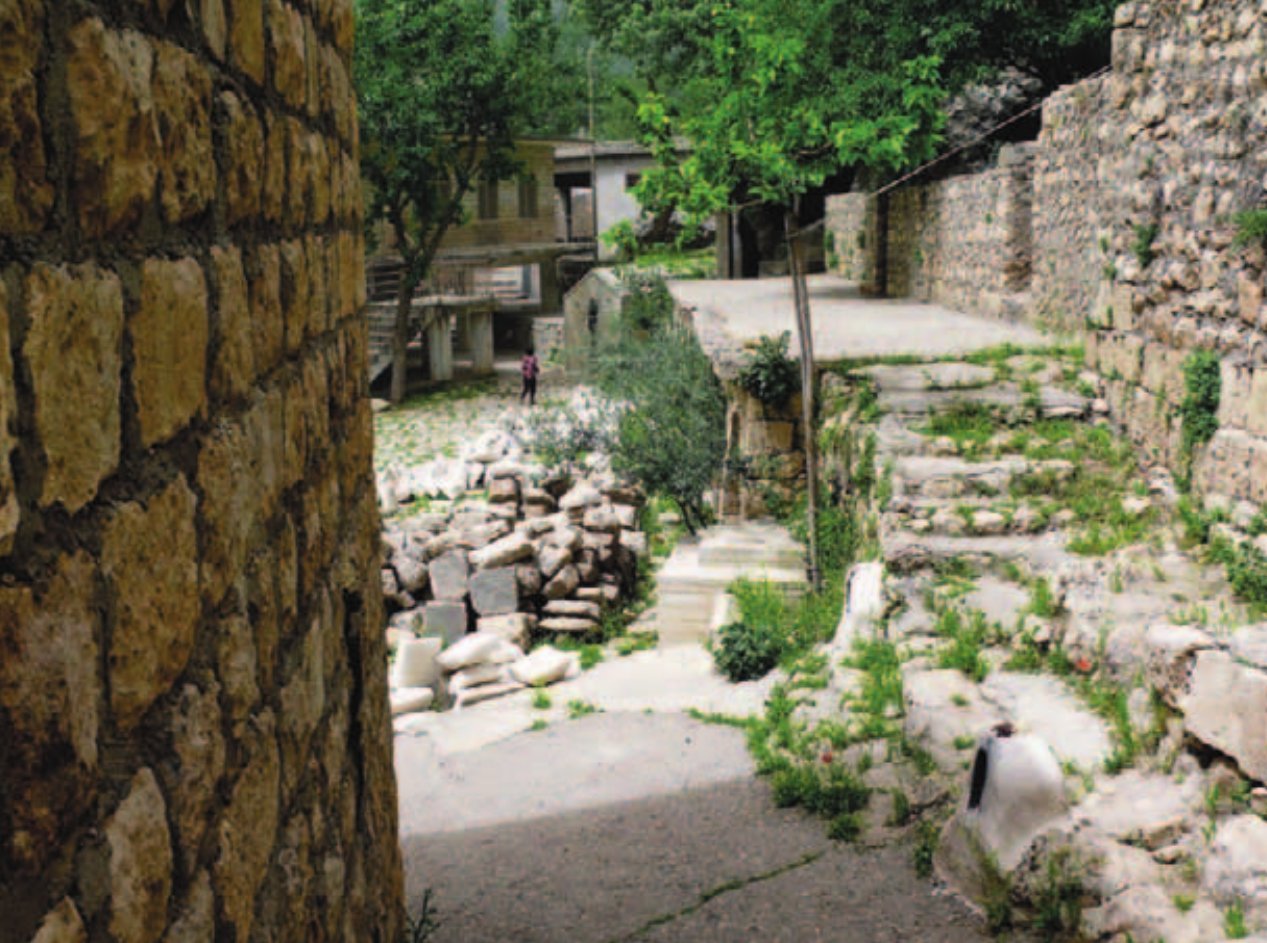
In one of the arches there was once the Dikana Sûka Merîfetê, the "shop of the market of knowledge". According to Lalişa Nûranî, food was sold there to pilgrims and at the same time the holy texts were explained to them – a place "where knowledge is sold".
The examination of the soul
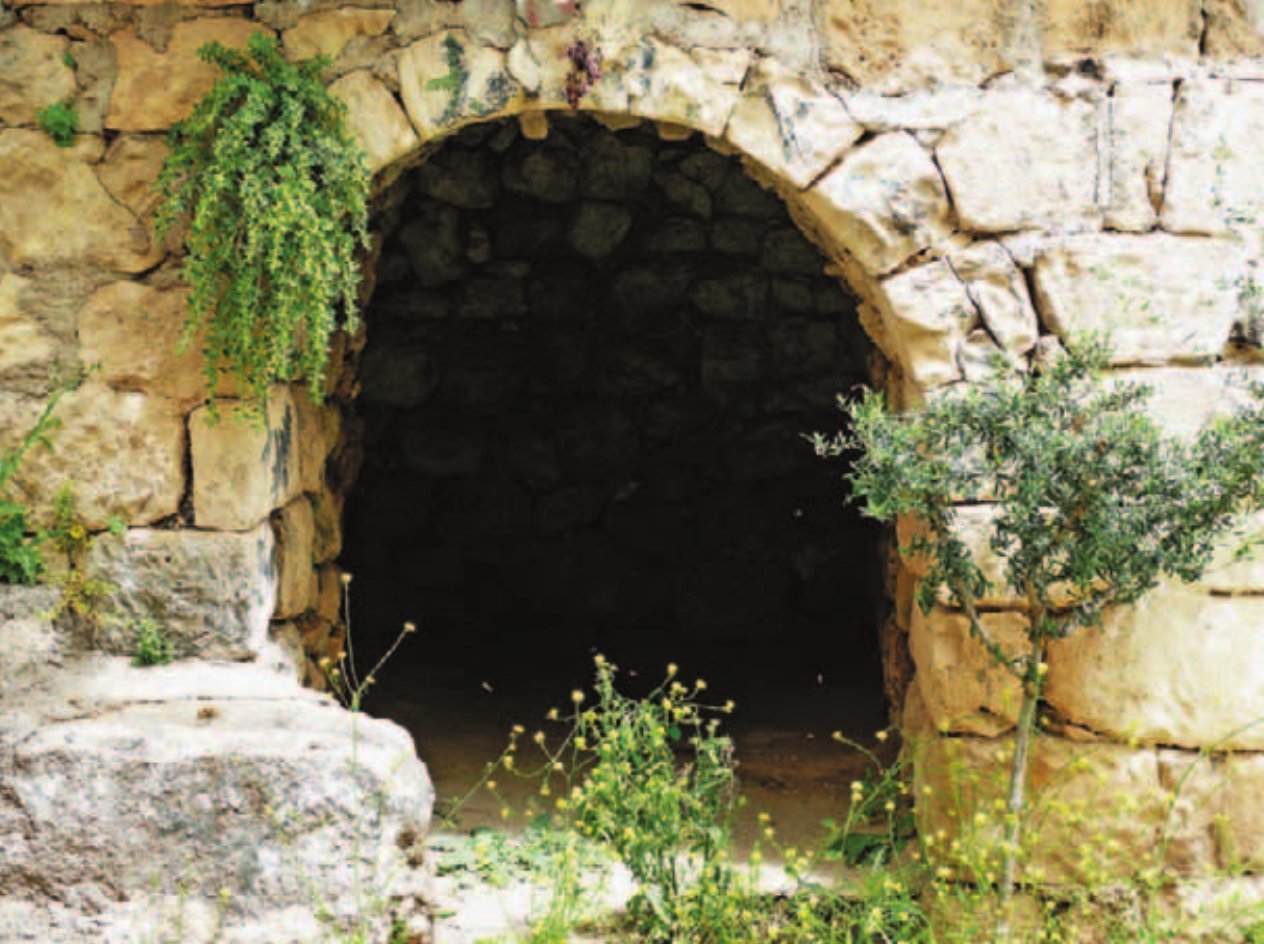
According to belief, after death the soul comes to the Sûka Merîfetê. There it is asked: "Whose Dirho (ward) is this soul?" Then its Şêx, its P’îr, its Merebî and its brother of the hereafter (yar û birê axretê) step forward. If they are satisfied with it, they defend the soul and save it from the Zebanî, the guardians of hell. Otherwise the Zebanî beat it and throw it into the gorge Newala Waweylê (Lalişa Nûranî, pp. 28–30). See The path of the soul through Lalîş and Brother and sister of the hereafter.
What stands on the square
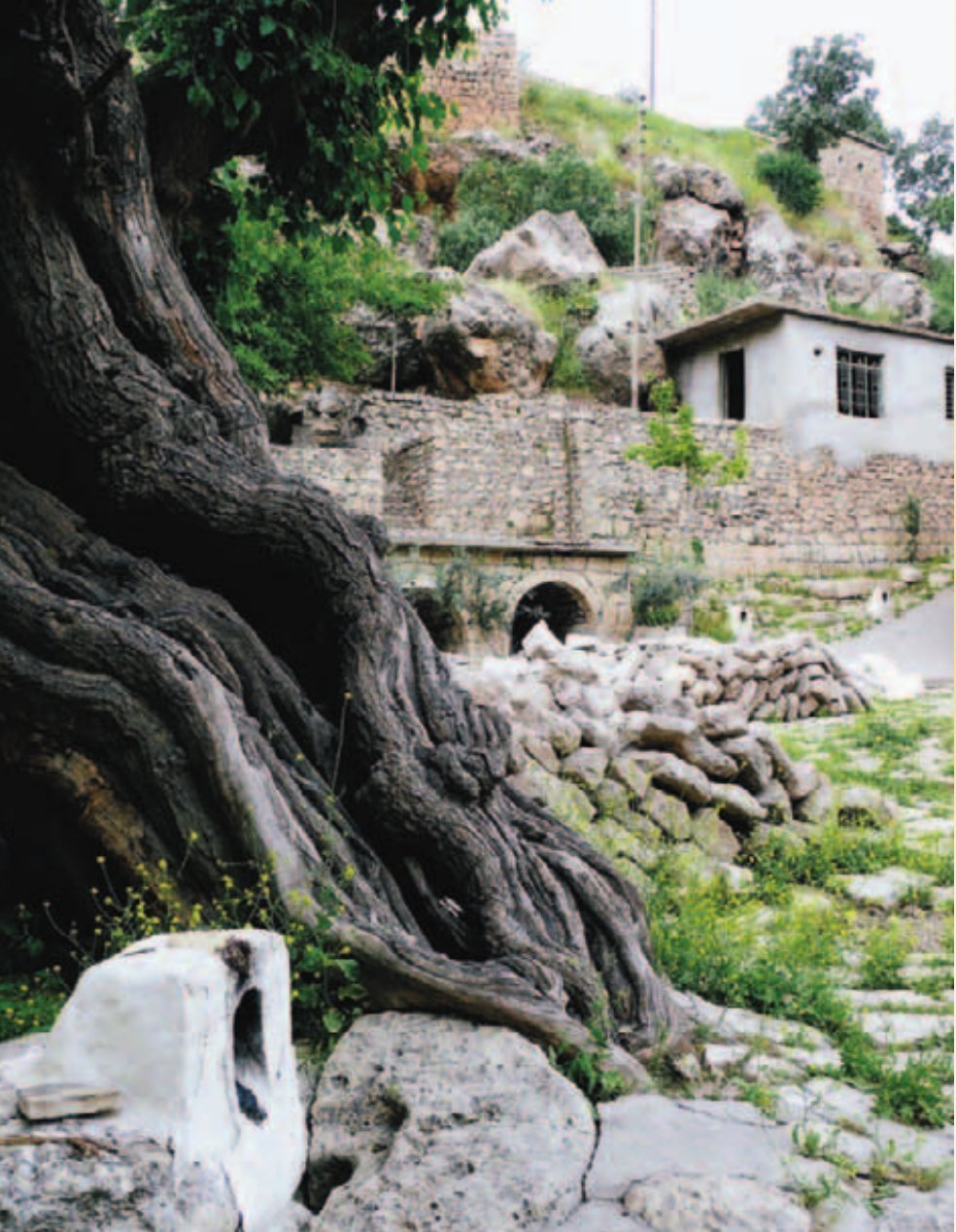
- Dara Leylê, the tree of Leylê: according to the English version of Lalişa Nûranî, Leylê is the mother of the Ezidis, the wife of Şehîdê bin Cer (Holy trees).
- Nîşanga Bahlûlê Dêwana, a small wick place. To its right begins the lane Kolana Zebêniya, to its left the Kolana Êsiyaniya (Lanes and buildings). According to the English caption, people of the Qaidî tribe and of the village of Êsiyan take part in a special ritual of the Cejna Cimaiyê.
- Nîşangeha Pîr Mend, the small dome in front of the Dergê Mîr (Domes).
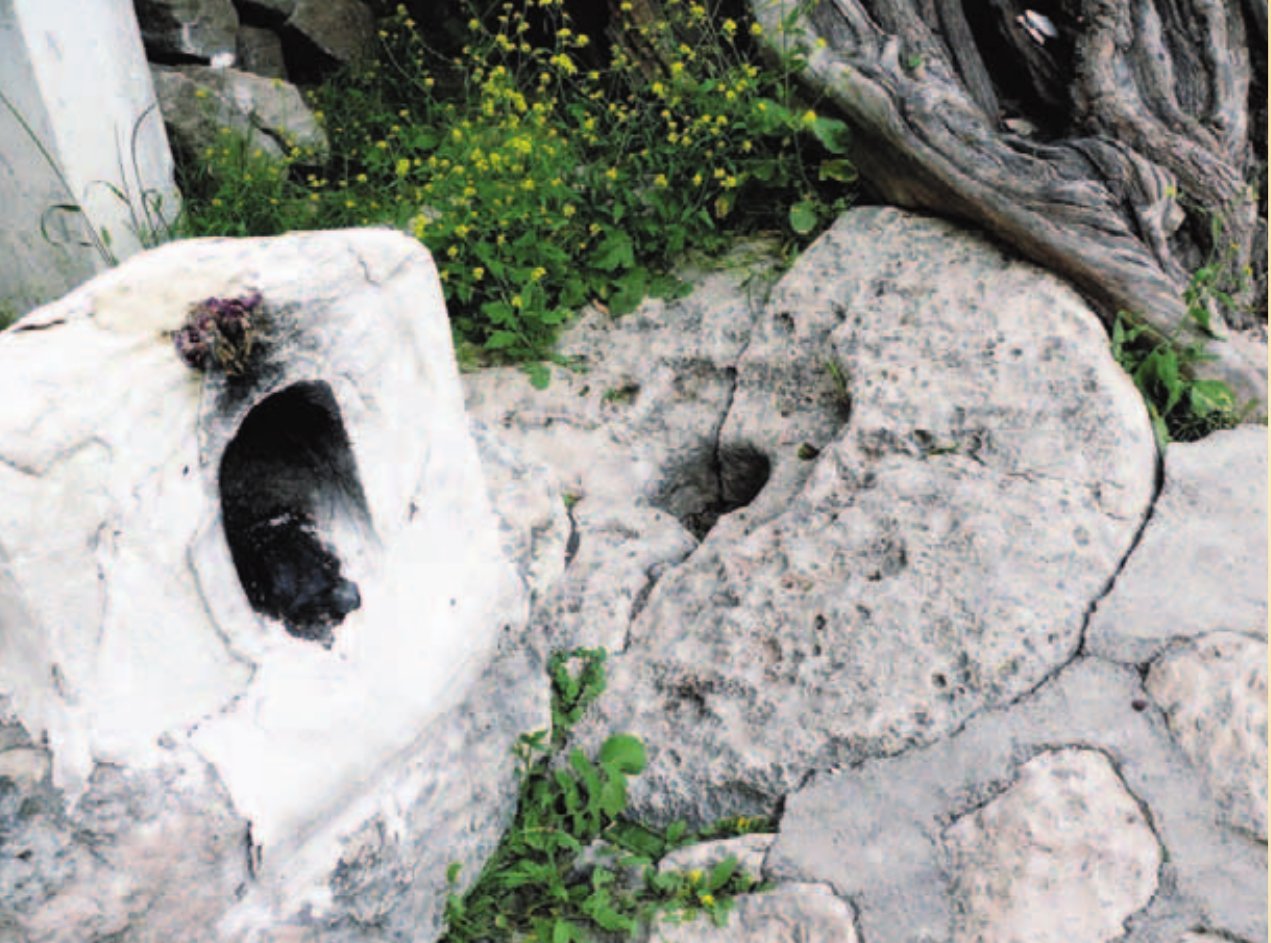
- Dinga Mixtara, a whitewashed rock with a sooty hollow, the "support of the Muxtars" (village headmen).
- According to the list of wicks, the wick of Şêx Mehmedê Batinî burns behind the Derê Qapîyê and then at the Sûka Merîfetê.
Sources
- S. A. Grigoriev, L. V. Ivasko, D. V. Pirbari (P’îr Dîma): Lalişa Nûranî / Святой Лалыш / Holy Lalish. Yekaterinburg: Basko 2008, p. pp. 18, 28–30, 36–37, 81, 102–105, 202
- Philip G. Kreyenbroek, Khalil Jindy Rashow: God and Sheikh Adi Are Perfect. Sacred Poems and Religious Narratives from the Yezidi Tradition. Wiesbaden: Harrassowitz 2005, p. pp. 37–38
- Birgül Açıkyıldız: The Yezidis. The History of a Community, Culture and Religion. London 2010, p. p. 148
Found a mistake?
Is something wrong – a fact, a spelling, a source, an image? Let us know: we check every report and correct the article.
Other spellings: Suka Merifete · Suq al-Marifa · Dikana Suka Merifete · Dara Leyle · Dinga Michtara · Dinga Mikhtara · Lalish · Lalisch · Lalesh · Emir · Sheikh · Scheich · Shex · Eziden · Ezidi