
Besides the Xerqe and the Sencaq the Ezidis know many other holy signs and objects. Some are kept in families, some are brought back by pilgrims from Lalîş, others are carved into the walls of the sanctuaries. The symbols sun, fire, numbers and bread are described in the section People & Culture: Other symbols, The sun.
Nîşan – what "holy" means
The word nîşan means "sign". According to Şêx Mak’sîm, a sacred object or relic is called nîşan when it belongs to an angel and is his sign; thus the Xerqe is the nîşan of Şîxadî (Şêx Adî). The word nîşange, by contrast, designates a sign that belongs to an angel only for a certain time or at a certain place (p. 55). In everyday life the small places of light of the saints are also called this; see Mezar, Qub and Nîşan.
Holy objects in the house
In many families of clergy holy objects are kept. Their place is the Stêr, the holy place in the house (Omarkhali 2023, pp. 53–54, 57). Access is strictly limited (p. 27).
| Object | What it is |
|---|---|
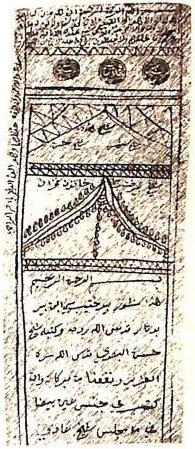
| Mişûr | manuscript, according to tradition written during the lifetime of Şêx Adî and given to the 40 P’îr families. It contains above all the origin of the P’îr family and the list of its Mirîd tribes. People make pilgrimages to it; it is usually shown once a year, covered, and may only be kissed (pp. 27, 44–45). |
| Mişûra Reş Belek | a manuscript with seven large figures, which the head of the household calls "Heft Mêrê Dîwanê" (the seven angels). It is opened only once a year at the festival of Xidir Nebî (pp. 53–54). |
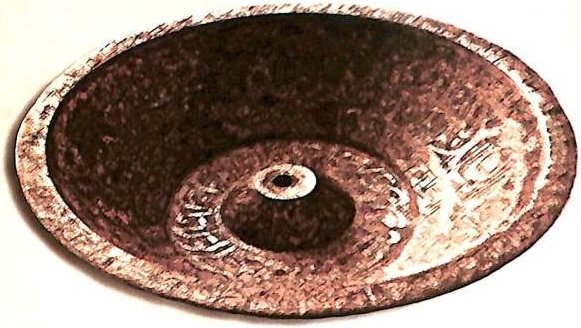
| Tas | bowl with inscriptions. One drinks water from it; it serves healing, helps against the evil eye and conveys the blessing of an intercessor. The Ezidis do not regard it as "magical" but as part of religious practice (pp. 56–58). |
| Kilît | holy keys that lie in the Stêr with Mişûr and Tas (pp. 53–54) |
These manuscripts are not meant for reading; they embody the holy word (pp. 26–27). Holy objects are opened only on their weekday and not after sunset; beforehand a chicken or a ram is sacrificed (pp. 46, 48, 53 n. 119).
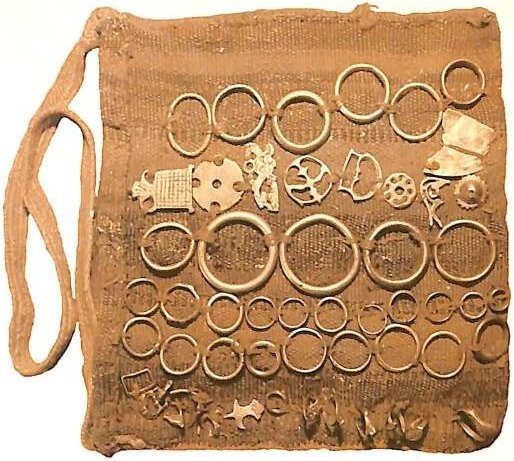
The word xadim also occurs in the legend of the New Year cake: the seven holy Mêr baked a Kiloç with a pearl, the Xadim, to see which of them was the first (Hesenê Şêx Kelaşê, pp. 35–37).
Berat – a piece of Lalîş
The Berat is a small white ball of earth from Lalîş, kneaded with water from the holy spring, about the size of an olive or a pearl (Lalişa Nûranî, pp. 32, 204; Pirbari, glossary p. 247).
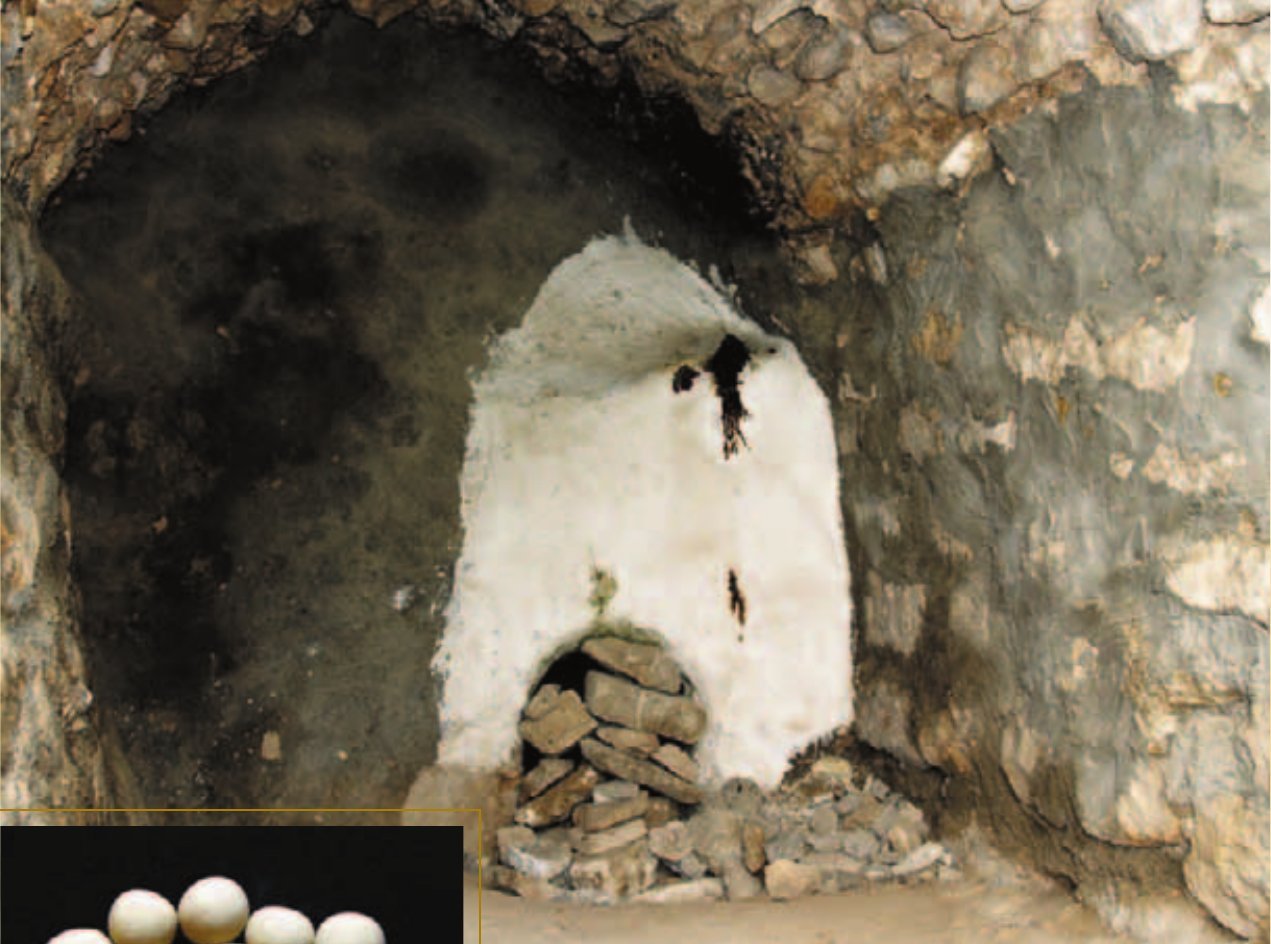
- Origin: the earth comes from the cave Şikefta Berata between the buildings of Şêşims and of Xatûna Fexra. People climb up with lamps, dig the earth, sieve it and form the balls (Lalişa Nûranî, p. 32). Women in the service of Lalîş make them (pp. 204–205; Omarkhali 2023, p. 519).
- Meaning: according to Kreyenbroek, the word means "innocence" or "remission" (pp. 14, 36). The Berat is a part of Lalîş; therefore it should be in every Ezidi house, and everyone should carry one (Lalişa Nûranî, p. 204).
- Use: in a dispute a Şêx or P’îr places a Berat between the two parties. During the fasting period one kisses a Berat in the evening after the prayer before eating. It is used in starting yogurt (p. 204). Some are buried with the dead (Kreyenbroek, pp. 14, 36).
- For pilgrims: a Feqîr gives the pilgrims the Berat at the gate of Sitiya Ês as a sign of their visit (Lalişa Nûranî, pp. 93, 204).
In the school textbook the Berat, together with the Toq, counts as "symbolic clothing" (Omarkhali 2023, p. 237).
Light: wick, lamp and Çeqeltû
In the faith light stands for the light of God that is in the heart of every person. Lighting wicks (fitîl) and lamps (çira) at prayer and at festivals is a sign of veneration of this light (Lalişa Nûranî, pp. 6–7). Fire is regarded as a sign of the sun and is lit because of its purity (p. 32).
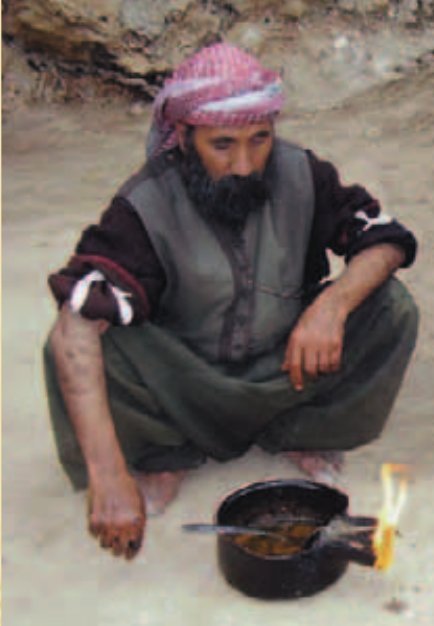
The Feraş fills the oil vessel Çeqeltû with olive oil, dips the wicks into it, sets them in the niches and lights them (p. 32). Oil lamps, the Qendîl, hang in the sanctuaries.
The holy instruments
The frame drum Def and the flute Şibab are holy, even without singing (Kreyenbroek, pp. 37, 47). With them the Qewal accompany the Qewls and the Sema (Pirbari, glossary p. 248).
Books as signs
The title page of the "Kitêba Celwe" in Lalişa Nûranî shows a peacock with rays at the top (p. 8). Whether this book and the "Meshefa Reş" are genuine old writings is disputed; research almost unanimously considers both not authentic (Omarkhali 2023, pp. 31–41). See Meshefa Reş and Kitêba Celwe.
Helel – the sign on the dome
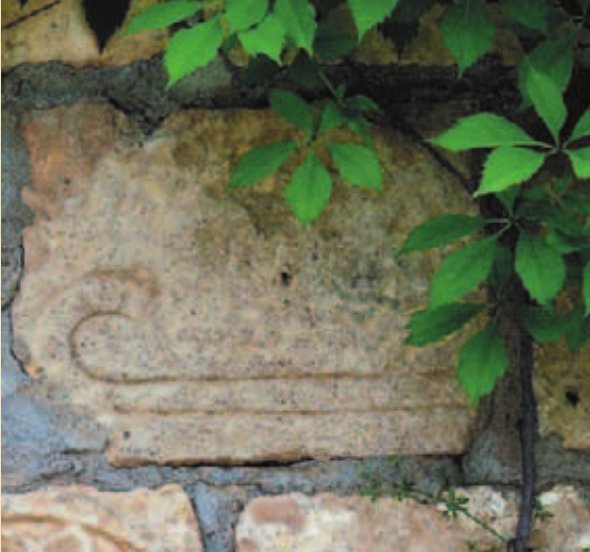
On the tip of the domes of Lalîş sits the Helel. According to Şêx Mak’sîm, when Lalîş was sent down, it was sent along from paradise; it testifies that this house belongs to God. Therefore no other sign and no flag should fly over holy buildings (p. 24). See The domes of Lalîş.
The signs on the walls of Lalîş
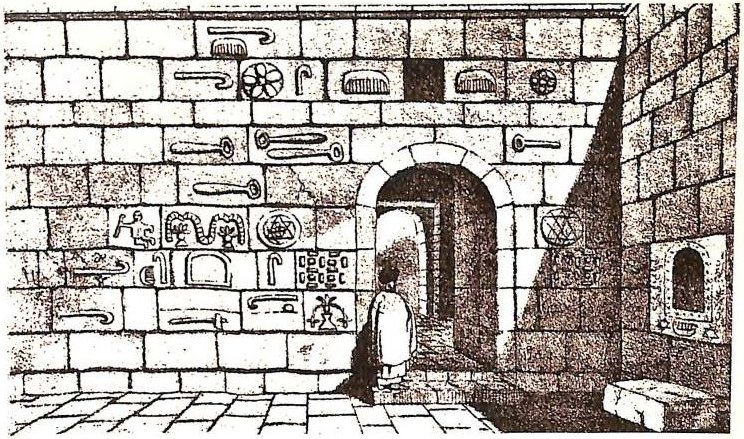
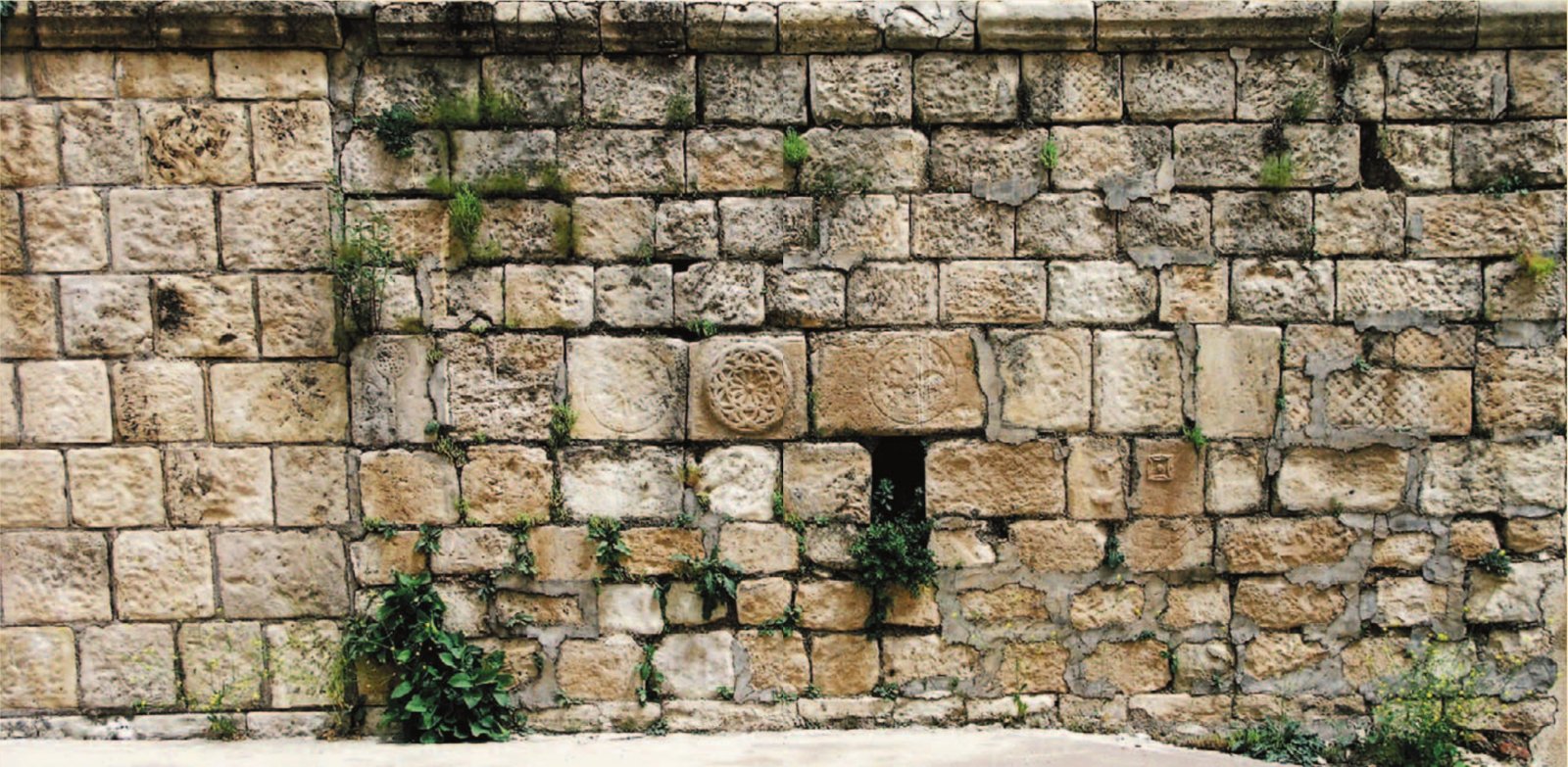
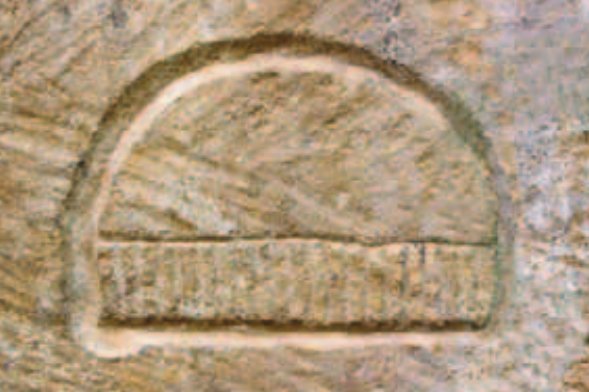
Many signs are carved into the walls of Lalîş. The photo book Lalişa Nûranî presents them in a chapter of its own (pp. 182–191). The interpretations come from the authors of the photo book and rest partly on research into ancient cultures of the Near East; they are views of the authors, not a teaching of the religion. The traveler W. A. Wigram considered the wall signs very old and not Christian (pp. 24/27).
The snake
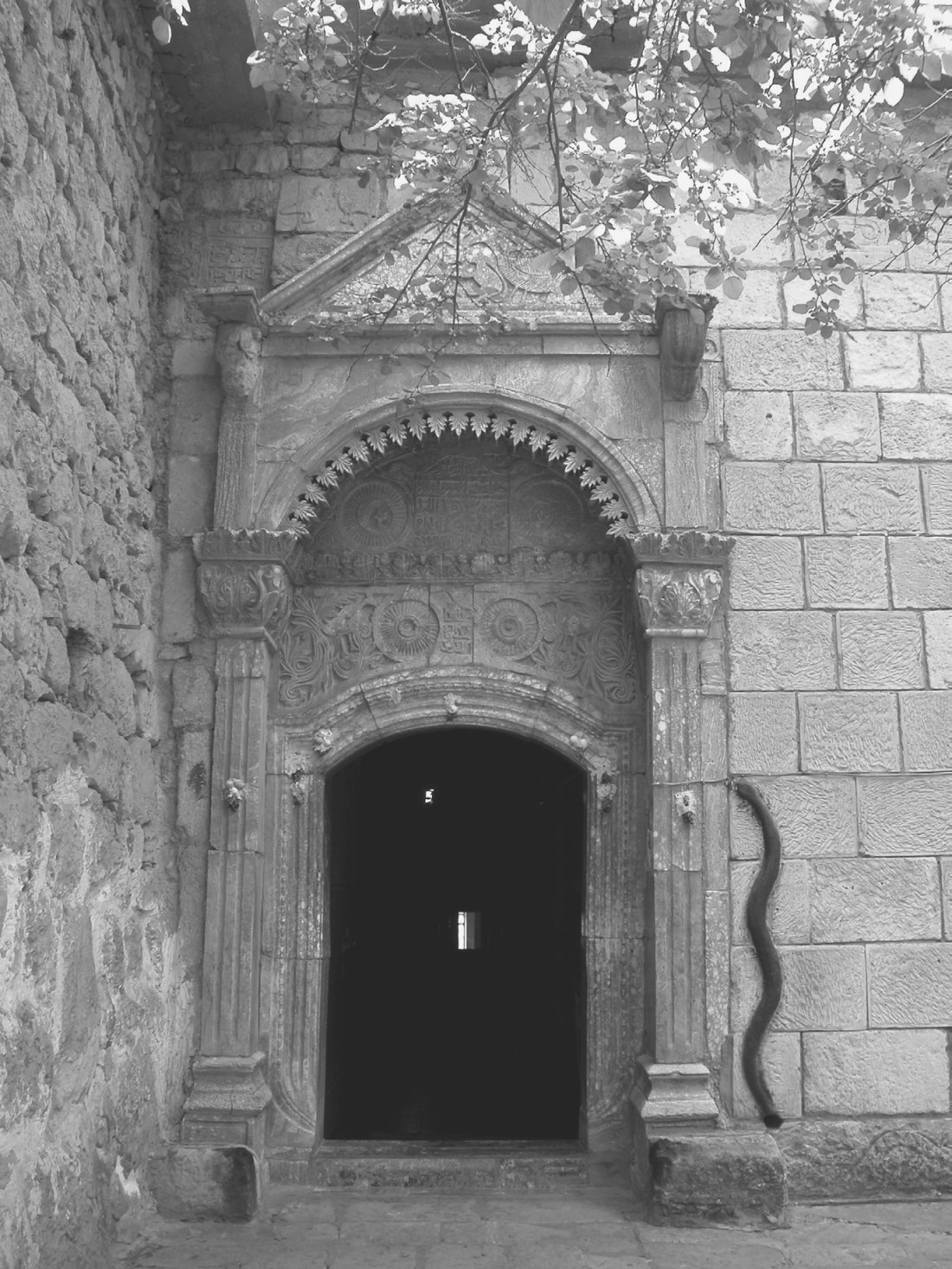
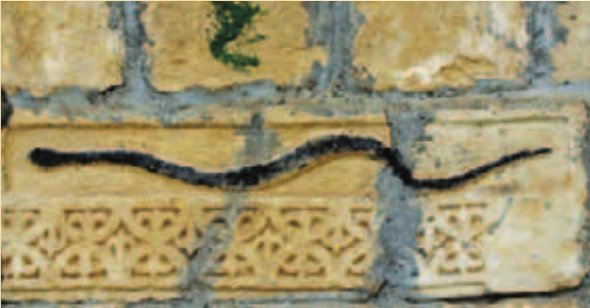
On the right post of the temple gate Dergê Şîxadî a black snake winds itself. The authors interpret the snake as guardian of the house – hence on doors and gates – and as guardian of the world tree (p. 182). The snake is not worshipped. Tradition and further interpretations: The black snake at the gate of Lalîş. A snake also stands beside the door of the sanctuary of Şêx Mend in Êsivn (p. 180).
Peacock and lion
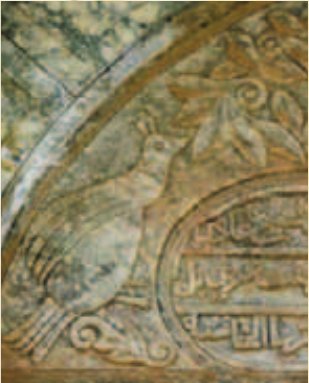
According to the authors, the peacock is the symbol of the angels, especially of Tawûsî Melek, and of the diversity of the world. They interpret two peacocks facing each other with the world tree between them as a sign of the holy trinity; birds, they say, are sun signs. The lion stands for power and rule (p. 183). See Sencaq and Tawûs.
Cross and six-pointed star
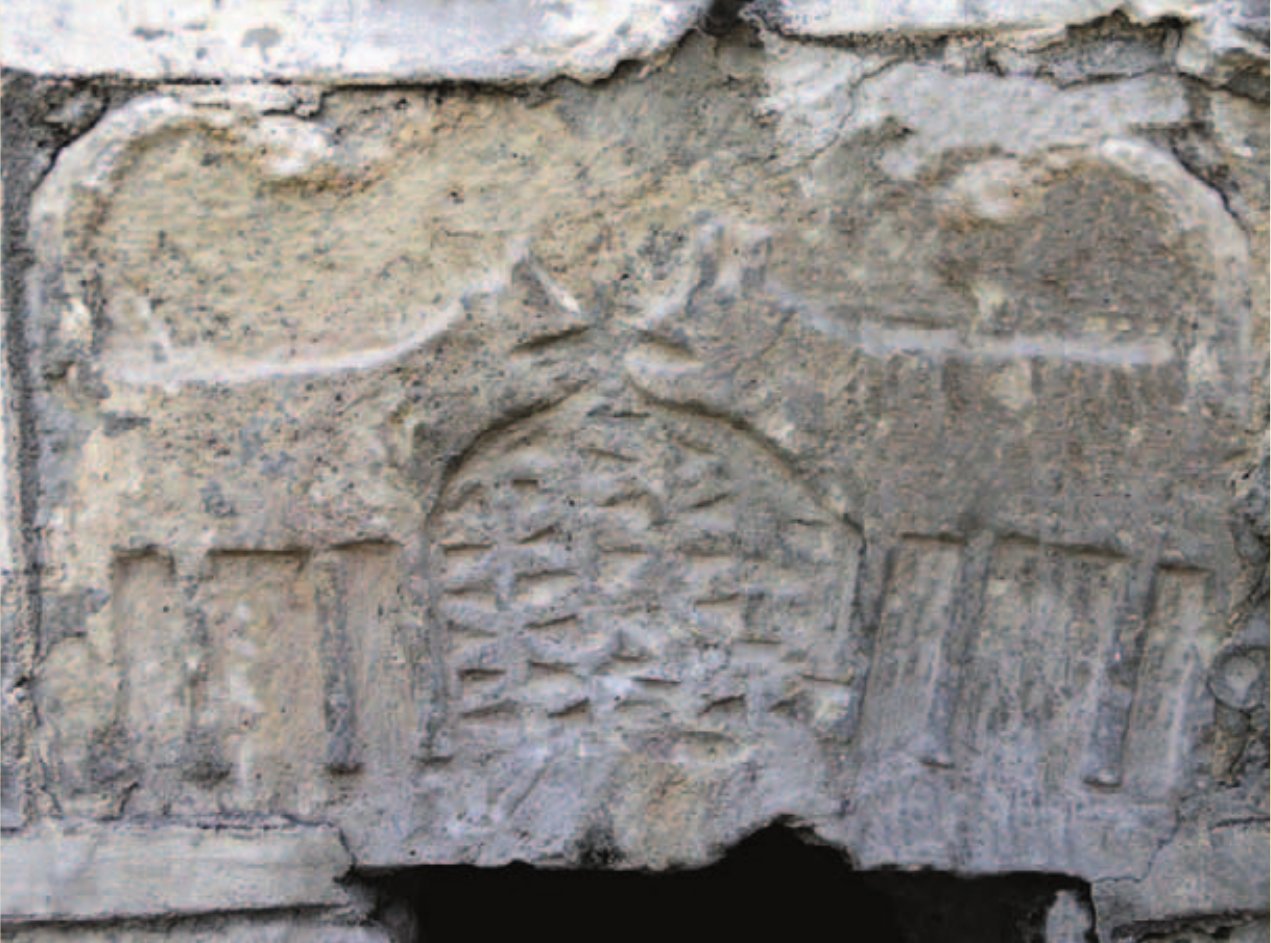
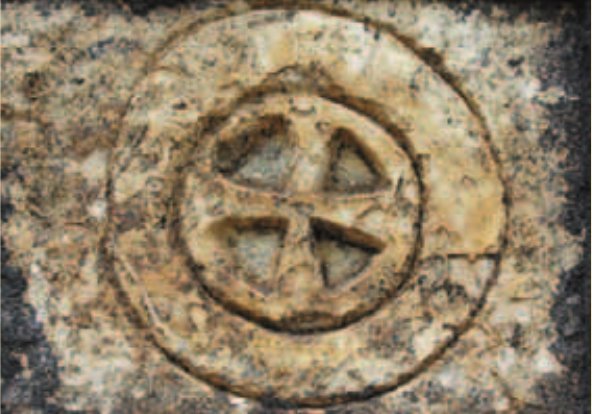
On the walls there are also crosses (xaç) and six-pointed stars (stêra şeşgoşe). The authors name three possible explanations: a very old sign of early farmers that later became a sun sign; a sign of tolerance from the time of Şêx Adî; or a sign that designated people rather than religions. They reject the idea that Christians carved the crosses, among other reasons because the six-pointed star also occurs, yet Lalîş was never in Jewish possession. According to them the question remains open (pp. 184–187).

Comb and staff
According to the authors, the comb (şe) stands for purity and protection against the evil eye, the staff (wekaz, gopal) for authority and holiness (p. 188). According to tradition, Şêx Adî struck the spring Zimzim out of the rock with his staff (p. 34).
Rosettes – signs of the sun
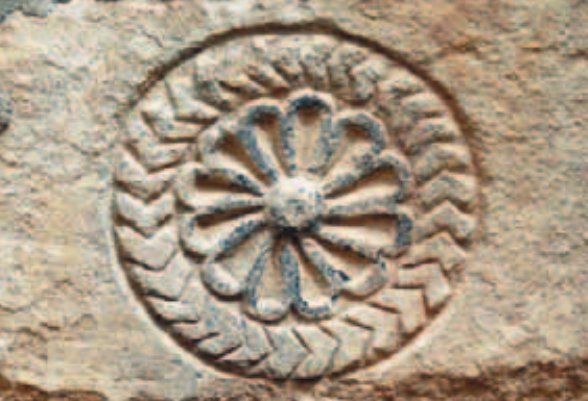
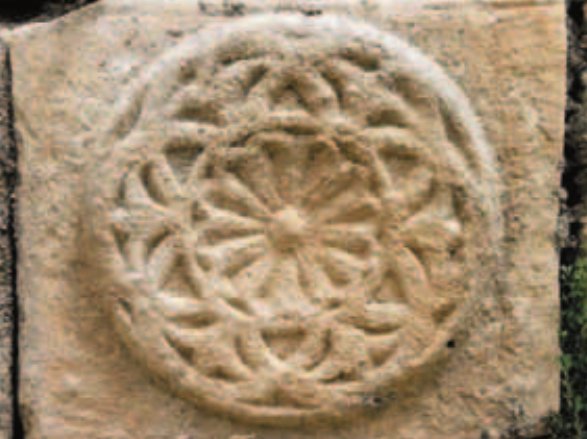
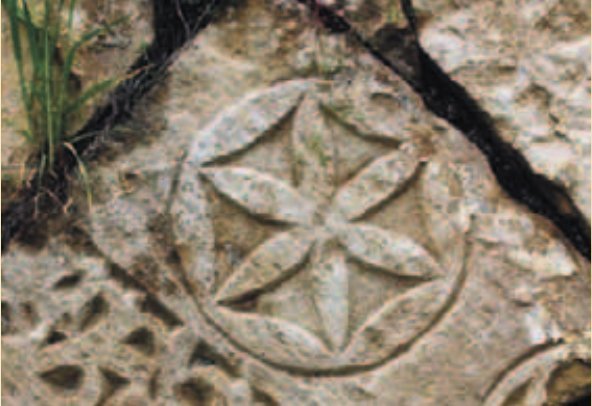
Most frequent are rosettes in many forms. The authors interpret them as sun signs (pp. 189–191). A sun sign – a circle with a cross – also stands on the wall of the building of Şêşims (p. 125).
Bozan
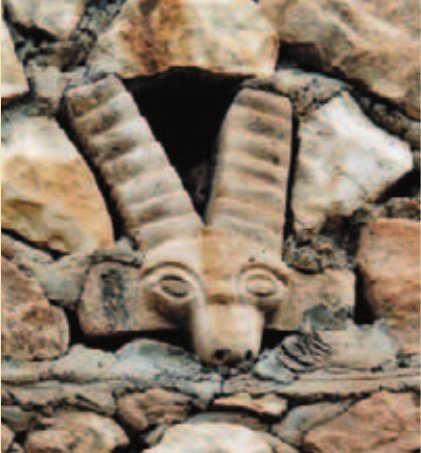
Signs are also found on buildings in the village of Bozan near Lalîş, among them a horned animal head (p. 194). On Bozan see Sanctuaries in Şêxan and Şengal.
Sources
- Şêx Mak’sîm (Maksim Ezdi): Grundpfeiler der Religion ScherfeDin, 2017 (on EZDIKI.COM in the Religion section and in the library), p. pp. 24, 55
- Khanna Omarkhali: The religious textual tradition of the Ezidis – from the oral to the written. Saint Petersburg 2023 (Russian translation of the English original, Wiesbaden 2017), p. pp. 26–27, 31–41, 44–48, 53–58, 237, 519
- Philip G. Kreyenbroek, Khalil Jindy Rashow: God and Sheikh Adi Are Perfect. Sacred Poems and Religious Narratives from the Yezidi Tradition. Wiesbaden: Harrassowitz 2005, p. pp. 14, 36–39, 47
- S. A. Grigoriev, L. V. Ivasko, D. V. Pirbari (P’îr Dîma): Lalişa Nûranî / Святой Лалыш / Holy Lalish. Yekaterinburg: Basko 2008, p. pp. 6–8, 24, 27, 32, 34, 92–93, 125, 154, 180, 182–194, 204–205
- Dimitri Pirbari (P’îr Dîma), A. Ščedrovickij: Тайна жемчужины (The secret of the pearl). Moscow/Tbilisi 2016, p. pp. 34, 66, 94, 105 (ill.); pp. 247–248 (glossary)
- Birgül Açıkyıldız: The Yezidis. The History of a Community, Culture and Religion. London 2010, p. p. 93 (ill.)
- Һ'әсәне Шех К'әләше (Hesenê Şêx Kelaşê, Hesen Hesenyan): Р'е-р'ьзма мьләте Эзди ангори qьраре дин (Rê-rizma mileta Êzdî angorî qirarê dîn). Şamîran 1995 (scan and new text edition in the EZDIKI.COM library), p. pp. 35–37
Found a mistake?
Is something wrong – a fact, a spelling, a source, an image? Let us know: we check every report and correct the article.
Other spellings: Nisan · Nischan · Nishan · Misur · Mischur · Mishur · Kilit · Ster · Chadim · Khadim · Fitil · Cira · Tschira · Chira · Ceqeltu · Tscheqeltu · Xirqe · Kherqe · Khirqa · Sanjaq