
The oral poetry of the Ezidis lived through its singers and storytellers. In the second part of their collection (Moscow 1978) the brothers Ordîxanê and Celîlê Celîl published short biographies of about 70 informants and recorded in the commentary, for almost every piece, when, where and from whom it was recorded. This makes it possible to see who carried the tradition in the middle of the 20th century. This article names only persons with reliable information; texts are not reproduced. The editors assign the Ezidis to another people; this classification is not adopted here.
Dengbêj, storytellers and Qewl singers
- Dengbêj is a singer with the gift of words and a good voice. Formerly every Mîr or Beg had one or two Dengbêj who sang of his deeds; later simple folk singers were also so called. Dengbêj sing without an instrument – unlike the Aşiq, who accompany themselves on the saz.
- Zarbêj is the general term for the storyteller, the informant of the oral tradition.
- T’irêg is what the collection calls the singers of the religious songs (Qewl). They come from Şêx and P’îr families and mostly learned the Qewl from their father or uncle.
According to the editors, the bearers of the tradition were above all peasants and kolkhoz workers, among them many professional Dengbêj and storytellers. Most had learned their knowledge in the family – from the father, the mother, the grandmother or an uncle. Many families had fled in 1914 or 1918 from the Ottoman troops from the regions of Kars, Surmelî, Van, Bergirî and Diyadin to Transcaucasia.

The older collections already named well-known storytellers: Ehmê Çolo and Celîlê Reşo were admitted to the Writers' Union of Armenia in 1938 as folk singers and storytellers. The epic “Dawidê Sasûnê” was recorded from Ehmê Çolo for the collection of 1957.
Some personalities
- Ehmedê Mirazî (1899–1961) from T’ûtek (Diyadin district), Belekerî tribe, fled to Russia in 1918 and in the same year fought with the horsemen of Cangîr Axa in the battle of Sardarapat. He was a great singer and round dancer, known in Armenia, Georgia and Azerbaijan, and knew many historical songs, round dance songs and girls' songs. He is said to have written down 25–30 notebooks, whose whereabouts are unknown.
- E’t’arê Şero (1901–1974), a Şêx from Soybilax (Surmelî), Ortilî tribe, was a humorous storyteller, knew many stories, songs and proverbs and wrote down much himself. In 1965–1966 he handed over notebooks with stories to the Academy of Sciences of the Armenian SSR; he was a member of the Writers' Union of Armenia. At his burial in Yerevan in 1974 the mourning songs were recorded on tape.
- H’izreta H’eso (b. 1920), Utî tribe, was the best-known female lament singer in Tiflis. Bereaved families always called her to burials; in September 1975 she sang 96 mourning songs for the collectors (see Lament for the dead).
- Mirzê Şêx E’wlo (b. 1876) from the Surmelî district came to Etchmiadzin in 1918 with the entire population of his village – about 130 families. At 97 years of age he sang religious songs for the collectors on two consecutive days in 1973.
- E’gîtê T’ecir (b. 1922) from Baysiz, head of the village club in Siçanlû, learned most of his songs from his father T’ecirê K’eleş. By his own account, as a boy he could sing a song after hearing it once. Yerevan radio recorded parts of the epics “Kerr û Kulik” and “Siyabend û Xecê” from him.
- Ehmedê Şêx Osê (b. 1897), a Şêx of the Şêxûbek’ir lineage, learned the Qewl from Feqî Dûk’o in the neighboring village: two to three stanzas daily, which he learned by heart at home.
- Cindîyê T’eco (b. 1884) in Gyelt’o told the young about the old days in the summer evenings on the stone in front of his house; Çerkezê Ayib, when singing, pulled his cap over his right eye and held both ears closed.
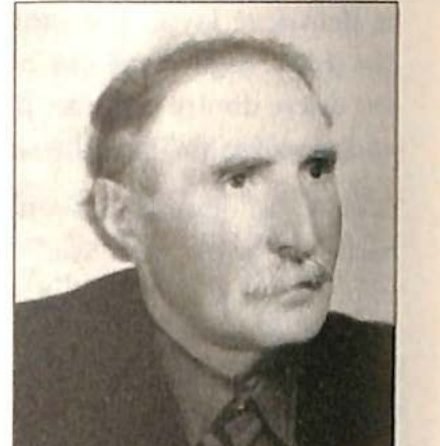
Table of informants
Life dates: mostly only the year of birth, as in the book. Recording: month/year and place of recording according to the commentary (selection). “–”: no information.
| Name | Life dates | Origin / place of residence | Tribe / lineage | Performance | Recording |
|---|---|---|---|---|---|
| Biroyê Şêx Dewrêş | b. 1924 | Mûradt’epe (Abovyan district, today Nairi) | Şêx, Şêxûbek’ir lineage | Qewl and Beyt (learned from his father) | January 1973, Mûradt’epe |
| Ehmedê Şêx Osê | b. 1897 | Surmelî district; since about 1920 Quruerez (Oktemberyan district) | Şêx, Şêxûbek’ir lineage; Ortilî | Qewl | February 1973, Quruerez |
| Lezgîyê E’t’ar | b. 1929 | parents from Sînek; Tolk (Ciraşên) near Yerevan | Şêx, Şêxûbek’ir lineage; Ortilî | Qewl and Beyt (from his father) | January 1973, Tolk |
| Mirzê Şêx E’wlo | b. 1876 | Surmelî district; since 1918 Etchmiadzin district | Şêx | Beyt and Qewl | January 1973 |
| Eylazê P’îr Reşo | b. 1935 | Mûradt’epe; father from Surmelî in 1918 | P’îr of the Omerxalan | Qewl and Beyt (from his father) | January 1973, Mûradt’epe |
| Ehmedê Mirazî | 1899–1961 | T’ûtek (Diyadin); later Georgia and Armenia | Belekerî | historical songs, round dance songs | June 1960, Qulîbeglû (Sovetakan) |
| E’lîyê Şimo | b. 1898 | Samiran (Şamîram), Ashtarak district | Şêx, Mend lineage | historical song “Şêx Mirzo” | August 1961, Samiran |
| T’ecirê K’eleş | b. 1894 | Siçanlû (Avt’ona), Talin district | Hesinî | historical song “Şêx Mirzo” | July 1957, Siçanlû |
| E’gîtê T’ecir | b. 1922 | Baysiz; since 1947 Siçanlû | – | verse epic “Mem û Zîn”, songs | April 1963, Siçanlû |
| K’amilê E’reb | b. 1909 | Sîpan (Pampa), Aparan district | Rojkî | Dengbêj, zurna player; historical song | July 1961, Sîpan |
| Mehmedê Mûsa | b. 1928 | Ulûxanlû; Hebilk’end (Masis district) | Memkî | historical song “H’emê Mûsê” | May 1970, Hebilk’end |
| Mehmûdê E’lî | b. 1923 | Dihan (Talin); Armavir | Şêx of the Şems lineage | historical song “Dewrêşê E’vdî” | Armavir |
| Cimoyê T’ozo | b. 1940 | Qerebirn (Karmrashen), Talin; Haxt’anak | Hesinî | historical song | February 1963, Yerevan |
| E’t’arê Şero | 1901–1974 | Soybilax (Surmelî); Yerevan | Şêx; Ortilî | stories, verse epics, verses attributed to Feqiyê Teyran | April 1954 and March 1956, Yerevan |
| Gulîzera E’t’ar | b. 1937 | Yerevan (daughter of E’t’arê Şero) | Ortilî | girls' songs | October 1958, Yerevan |
| H’izreta H’eso | b. 1920 | Tiflis | Utî | 96 mourning songs | September 1975, Tiflis |
| Cerdoyê Esed | b. 1929 | Talin district; parents from Qizilqul (Kars) in 1914 | Utî | Dilok, Beyt; poet | 1956, Yerevan |
| Esedê Ozman | b. 1896 | Qizilqul (Kars); Tiflis | Utî | stories | October 1958, Tiflis |
| Kida Uso | b. 1903 | near Kars; Tiflis | P’îr of the Omerxalan | verse epic “Zembîlfiroş” | October 1958, Tiflis |
| Xemoyê H’emîd | b. 1936 | parents from the Van area; Ashtarak district | P’îr; Zuqurî | verse epic “H’esenik û Asê” | February 1958, Yerevan |
| Rizayê E’lî | b. 1920 | Qamişlû; Ineklû (Antarut), Ashtarak district | House of Cangîr Axa; Zuqurî | verse epic “Xelîl-bego” (from his uncle Ehmedê Mirazî) | March 1963, Yerevan |
| Rizayê Cindî | b. 1931 | Oktemberyan district | – | verse epic “Xezal û Rizgan” | July 1957, summer pasture on Mount Axmaxan |
| Nisretê Cimşîd | b. 1933 | Qamişlû (Yeghegnut) | Çuxreşî | verse epic “Sêva H’acê” | May 1963, Yerevan |
| E’lîyê Mûsa | b. 1902 | Çatgiran (Nor Gyugh) | Rojkî | verse epic “Sêva H’acê”, legends | July 1957 and August 1960, Çatgiran |
| Morofê Mehmûd | b. 1890 | P’işikk’umbet (Bergirî); Sovkhoz No. 38 (Ashtarak) | – | verse epic, Rustem epic, legends | February 1972, Sovkhoz No. 38 |
| Feremezê Ezdo | b. 1890 | Çobanmaz (Aragats); since 1952 Qamişlû | – | Rustem epic, fairy tales | January 1972, Qamişlû |
| Bahara Misto | b. 1940 | Siçanlû (Avt’ona) | – | Dilok | July 1957, Siçanlû |
| Zera E’vdilê Bişo | b. 1908 | Alma-Ata | – | Dilok | October 1955, Yerevan |
| K’awa Biro | b. 1890 | Ewcilar (Oktemberyan district) | – | Dilok | July 1957, Mount Axmaxan |
| E’lîyê Osman | b. 1913 | teacher in Norashen (Nakhichevan) | – | songs | September 1956, Yerevan |
| Xanima Dedo | b. 1938 | Tilik (Talin district) | Utî | Dilok | May 1964, Talin district |
| Efoyê E’lî | b. 1933 | K’orbilax (Aparan); Tiflis | Şêx | Dilok | March 1959, Tiflis |
| K’ubara E’lî | – | Tiflis | Şêx | Dilok | March 1959, Tiflis |
| Mirazê Bavik | b. 1933 | Qamişlû (Yeghegnut) | – | Dilok | January 1957, Qamişlû |
| Mecîtê Silêman | b. 1939 | Dêmirçîlî (Masis district) | – | Dengbêj with songs of his own; round dance song | August 1967 |
| Usivê E’vdo | b. 1907 | Vedi district; 1937–1969 teacher in Kok-Jangak (Kyrgyzstan) | – | round dance songs | October 1973, Kok-Jangak |
| Recevê Mehmûd | b. 1897 | P’işikk’umbet (Bergirî) | – | round dance song | May 1963 |
| Çerkezê Eşir | b. 1904 | Çobanmaz (Aragats) | Angosî | stories | 1974–1976 |
| Cindîyê T’eco | b. 1884 | Kars district; Gyelt’o (Talin) | – | stories | July 1956, Gyelt’o |
| Gula Xudo | b. 1913 | Digor (Kars); Gyelt’o | Rec’evî | stories (from her father) | October 1957, Gyelt’o; March 1972 |
| Filîtê Xudo | b. 1920 | Gyelt’o (brother of Gula Xudo) | Rec’evî | stories | June 1961, Yerevan |
| Ordîyê Kote | b. 1913 | Digor (Kars); Gyelt’o | – | stories, songs of the Dengbêj from Digor | May 1972, Gyelt’o |
| H’emzoyê Bedo | 1880–1972 | from Lake Van; since 1958 Oktemberyan | – | stories | February 1972, Oktemberyan |
| Sutoyê H’esen | b. 1907 | Beroj (Talin) | Rojkî | stories | August 1967, Beroj |
| Tefûrê Misto | b. 1937 | Devexerebe (Kotayk) | Celalî | stories | March 1965 |
| Îşxanê Îsko | b. 1930 | Tiflis | Pîvazî | stories | September 1964, Tiflis |
| Ehmedê E’git | b. 1939 | Norakert sovkhoz (Etchmiadzin) | P’îr | stories | March 1971, Norakert |
| Çerkezê Ayib | b. 1900 | Surmelî; Ciraret (Etchmiadzin) | Ortilî | songs | – |
| Sih’îdê Silo | 1931–1971 | Beroj (Talin) | Bendûrî | engineer, founded a music group | – |
| Usivê E’lî | b. 1939 | Zeh’met (Etchmiadzin) | Celalî | songs (from his father) | – |
Armenian informants
Some informants were Armenians who had grown up among the Ezidis and their neighbors and had a good command of their language. The most important is Sargis Bozoyan (b. 1901 in K’oz near Arcêş, later in the village of K’eleşan, Ashtarak district). His father was himself a Dengbêj, and Bozoyan had still seen the Dengbêj Evdalê Zeynê in person; the information about the blind female singer P’ero also comes from him. Other Armenian informants were Vardan Kirakosyan (b. 1873 in Muş, recorded August 1957) and Manuk Sinçoyan (b. 1887 in Sasun, recorded July 1957 in Eşnek), who emphasized many customs shared by the people of Sasun and their neighbors.
Transmission in families
The biographies show how the tradition was passed on:
- Qewl remained in the Şêx and P’îr families: Biroyê Şêx Dewrêş learned them from his father Şêx Dewrêşê Şemo, Lezgîyê E’t’ar from his father E’t’arê Şêx H’emîd (d. 1971), who in turn had them from his uncle Feqî E’mo. The editors note that Lezgî knew the Qewl by heart, but not their interpretation completely.
- Songs passed from father to son (T’ecirê K’eleş – E’gîtê T’ecir), from uncle to nephew (Ehmedê Mirazî – Rizayê E’lî) and from father to daughter (E’t’arê Şero – Gulîzera E’t’ar).
- Stories were learned by Cerdoyê Esed from his mother and grandmother, by Gula and Filîtê Xudo from their father.
The collectors also recorded the circumstances of the performance: storytellers pointed with their hands, turned to the person recording, or told stories in the evening by the lamp. Some recordings were made on the summer pasture (zozan) of the Çuxreşî on Mount Axmaxan above Lake Sevan.
On the songs see Genres of folk poetry and Historical songs, on the collecting work Collection of folk poetry.
Later singers in T’amoyan's textbooks
The Ezidi school textbooks of Armenia also present singers of the second half of the 20th century whose voices are preserved on recordings, for instance the Dengbêj Efoyê Esed (1927–1999) from H’eko, who recorded over 30 songs, more than ten of them in duet with Cemîla Çawîş. The 9th-grade textbook emphasizes that among the Ezidis the poet, composer and singer of a song are often one and the same person. The informant Biroyê Şêx Dewrêş (b. 1924, see table) is probably identical with Biroyê Şêx Dewrêşê, a fellow campaigner of the Ezidi movement from 1988.
Sources
- Eskerê Boyîk: Bi Kurtayî Dîroka Êzidiyên Ermenistanê (A short history of the Ezidis of Armenia). Diyarbakır 2016, p. 309 (ill.)
- Ordîxanê Celîl, Celîlê Celîl: Zargotina K’urda, Part 2. Moscow 1978, p. 477–512
- Mirza Sloyan (Mirzoyê Çolo Siloyan): Дорога, ведущая в храм. Три года спустя (The road leading to the temple. Three years later). Yerevan 2015, p. p-153 (ill.)
- Ordîxanê Celîl, Celîlê Celîl: Zargotina K’urda, Part 1. Moscow 1978, p. 7, 13, 16, 19, 23, 40
- H’esenê Şêx-Me’mûdê, E’zîzê E’mer: E’debyet û zimanê êzdîkî, grade 9. Yerevan: Spîka 2012, p. p-008–009
Found a mistake?
Is something wrong – a fact, a spelling, a source, an image? Let us know: we check every report and correct the article.
Other spellings: Dengbej · Zarbej · Tireg · Kurt derheqa serhatiya zarbejan · Dengbedsch · Qawl · Qaul · Kewl · Emir · Sheikh · Scheich · Shex · Pîr · Qers · Jerewan · Eriwan · Erivan · Tbilisi · Tbilissi · Shamiram