
Surmelî was a district in the Erivan Governorate of the Russian Empire, around Iğdır at Mount Sinek. From 1828 the Hesinî tribe settled here.
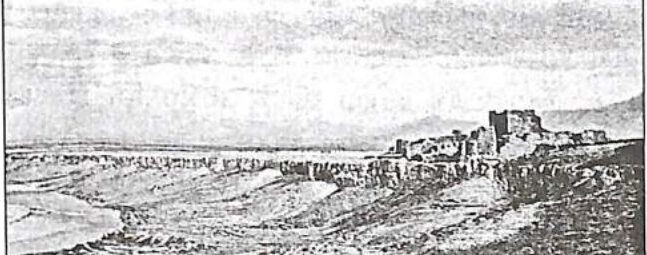
Villages
Eslanlû, Qerextin, Alçalû, Gundê Şêxan, Sarîbilax, Baş Sinek, Gundê Mexso, Xirbê Sor, Taşûşan, Damisxan, Zerîfxan, Germaşiv, Xan, Qûç, Zor, Gundê Kalo, Qerequ, Qerehisar, Bandemûrad, Taşkorpin and Tendûrek. Before the First World War there were 27 Ezidi villages in Surmelî.
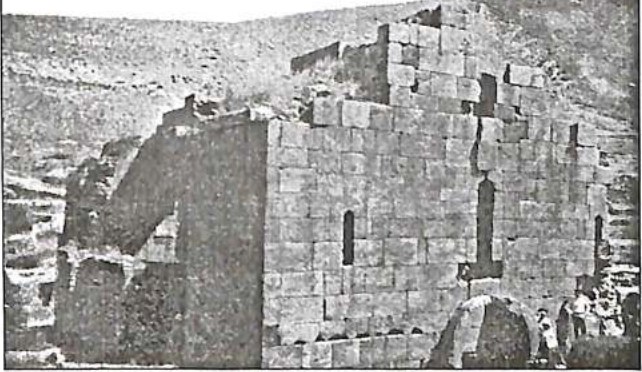
Eslanlû was the seat of the leading family; Hesen Axa II and Ûsiv Beg were born here. In the village of Zor a Russian-language school was opened in 1902 – one of the first for Ezidi children.
In 1918 the inhabitants had to flee. They crossed the Aras and settled in the Ararat plain.
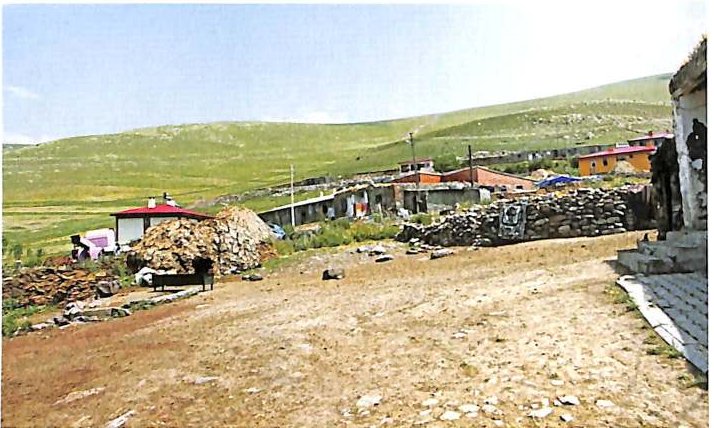
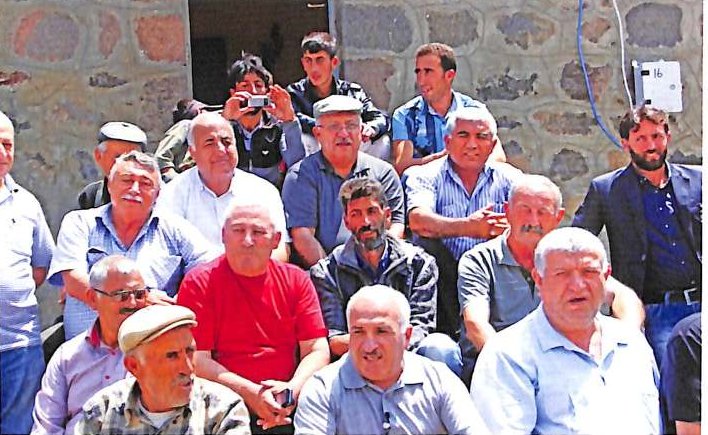
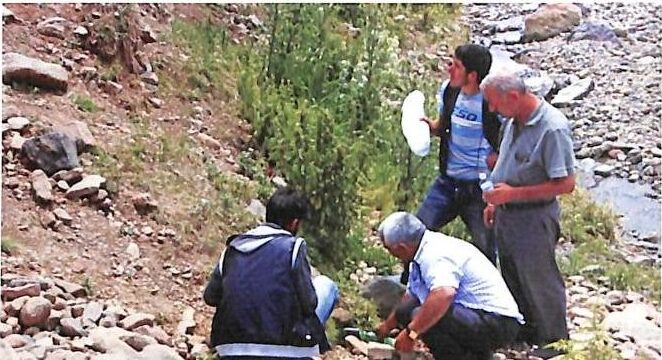
In 2014 a group of Ezidis from Armenia around Mirza Sloyan visited the village of Aslanlu (Eslanlû) with descendants of Cangîr Axa and Ûsiv Beg:

Additions according to Muradyan (2013)
Location and administration
- Surmelî lies south of the Aras, between Ararat (Masis), the Bardux mountains and the river. Its centers were Iğdır and Koghb.
- The area belonged to the Erivan Khanate and passed to Russia in 1828 with the Treaty of Turkmenchay. In 1849 it became part of the Erivan Governorate, and in 1874 the Surmelî district was created.
- Besides Armenians and Ezidis, Tatars (Turks), Kurds and Persians as well as a few Russians and Georgians lived in the district. In the sources the Ezidis are listed as a separate population group.
- At the end of the 19th century village communities were formed on the Sinek. For 1917 three Ezidi communities are documented: Elîqoçax, the community of the Hesinî Ezidis (with Eslanlû) and the Sinek community.
- In 1914 Iğdır had about 10,000 inhabitants and in 1919 received town rights in the Republic of Armenia.
Number of Ezidis
| Period | Information | Source |
|---|---|---|
| 1828 | Hesen Axa comes with 200 (Ushakov) or 300 families (Averyanov) | according to Muradyan |
| early 1880s | Hesinî: 3300 people; winter quarters from the Sinek to the Çingil heights | Yeghiazarov |
| 1904 | 20–25 Ezidi villages on the Sinek, often very small (some 3–5 houses) | A. Gyurdzhyan |
| 1 Jan. 1914 | 10,092 Ezidis in the Surmelî district | Caucasian Calendar |
According to Muradyan, Hesen Axa founded over 26 villages on the Sinek. In total some 30 larger and smaller villages, winter quarters and summer camps were subordinate to the head. This roughly fits the 27 villages named by Boyîk (dirok).
The villages on the Sinek according to Ahmedê Gogê
Muradyan adopts a list from the book “Dengê Kal-Bavê Me” (1997) by Ahmedê Gogê. For many villages it names the tribes or leading families:
| Village | Inhabitants and families |
|---|---|
| Eslanlû | seat of the heads, so to speak the “capital” on the Sinek; teacher Celoyê Kelaş |
| Asibulax | Silwanî tribe (under Şeroyê Xiso) and Dawidî tribe (under Mamoyê Elo) |
| Zor | large village; leading family of Regan Axa, son-in-law of Hesen Axa; Bayindirî, Torenî, Belekarî, Dwenî tribes and Pîr families |
| Alçalû | Remoşî tribe, house of Ûsivê Xudo Aylo |
| Qerextin | 35 houses, predominantly Remoşî (Biroyê Aylo); the landlord was a Muslim Beg |
| Astavlu | “village of the Şêxs” (families of Şêx Îbrahîm and others) |
| Kirbilax | newcomers from the Ortlî tribe; origin of the philologist Çerkezê Bakoyev |
| Baş Sinek | various tribes, Pîr families; village head Biroyê Haco |
| Soybulax | predominantly Qazanî, also Şêxs |
| Qocabaşî | families of the Ortlî tribe |
| Taşûşan | respected Hesinî families, family of Pîr Rapo |
| Damisxan | Remoşî (family of Çaloyê Knyaz) |
| Xirbê Sor | Bûdî tribe |
| Qûç | families of Xudikê Şawo and Şêx Hemed |
| Xan | Memûdekî tribe |
| Gogirme | family of Şêx Silo |
| Qerequ | about 150 houses; Qazanî and other clans; origin of the singer Şeroyê Biro |
| Aşo Hiseyn | under Esê Dirbo |
| Bandemûrad | various tribes |
| Taşkorpin | Remoşî |
| Qerehisar | Şerq tribe |
| Zerîfxan | Mamtajî |
| Çarsala, Ombla | individual families |
| Dutax | Maqsûdî tribe |
Further places without details: Dimsiz, Kalo, Tendûrek, Dibaxlu, Mexso, Tambat, Germaşiv. The spelling of the names varies between the sources.
Zor and Zoravank
- Zor lay west of Ararat in the valley of the Bardux mountains on the Russian-Turkish border, with cold springs and a cool climate.
- In Zor a two-story Russian school with a boarding house was built for 15,000 rubles from the state treasury. Year of opening: Muradyan gives 1904 in one place and the approval in 1902 in another; Boyîk gives 1902. Among the teachers was the Ezidi Şamil Mehmûdbegov; from 1914 Bagrat Gharibjanyan headed the school. Among the pupils were Elîxan Beg and Şamil Temurov.
- Near Zor lay the old church of Zoravank. At the feast of Vardavar in summer, Armenians and Ezidis came together there. Young women sang and danced for several days, and Komitas wrote down the songs.
Way of life
According to the priest Zakaryants (1904), the Ezidis spent three seasons on the pastures of the Bardux mountains. Once a year Qewal from Lalîş came to Eslanlû; then groups from the neighboring villages rode over, and Dahol and Zurne resounded.
The end (1918–1921)
- With the Treaty of Batumi (4 June 1918), Surmelî fell to the Ottoman Empire. Some of the Ezidis had already moved to the Ararat plain with the Armenians beforehand; many remained in great distress on the Sinek. In 1918–1919 there was famine.
- In November/December 1918 the Turkish troops withdrew. In August 1919 Ûsiv Beg decided to resettle his people in the Ararat plain. In 1919–1920 the Ezidis left Surmelî for good.
- With the treaties of Moscow and Kars (1921), Surmelî passed to Turkey.
Additions according to the 8th-grade schoolbook
The Ezidi 8th-grade schoolbook (T’amoyan et al., 2011) prints the text “Gundê me” by Ahmedê Gogê. It supplements the list above:
| Village | Information in the schoolbook |
|---|---|
| Eslanlû | house of Hesen Axa; family of Celê K’eleş (ocaxzade, Celê K’eleş killed in 1917); the Şa family, from which the teacher Elîxanê Serdar Şagînov came; seven villages lay in the valley of the Sinek |
| Ombla | after a raid by Şêx Salih Beg on Hesinî villages, Esê Bek’o retrieved 700 sheep in retaliation |
| Du T’axê | village of the Mexsûdî (E’vdîê Se’do and others); descendants today in villages of Armavir province, in Nor Aresh and Çarayî near Yerevan |
| Qirbilax | immigrants of the Ort’il tribe, still called mihacir today |
| Basînek | Russia installed the respected Birê H’aco as village headman on the border; family of P’îr E’lî, father of P’îr Ûso |
| Taşk’orpî (Gêlî) | village of Xwedê R’eşo (Remoşî), father of the well-known fighter K’eleşê Xwedo |
| Qocbaşî | families of the Ort’il tribe |
| Xirbê Sor | village of E’lîê Fariz; scene of the song “Şerê Biro”; the wish for a school failed because of the war |
| Taşûşan | 20–25 houses, almost all Mamt’acî, plus Şêx of the Dara miraza family; village of Emir Axa; visit of the Russian major general Eleşref Beg |
| Asîbilax | village of the Selwanî; family of Şerê H’eso; E’t’arê H’eso protected the refugees in 1918 |
| Xanê | village of the Me’mîdok (Şewêşê H’ezê); the family moved to Şamîram after 1918 |
| Qûç’ | family of Şêx H’emed; the writer Ûsvê Bek’o was orphaned in 1918 and brought up by the family of Dro Kanayan; descendants of the villagers live in the Artashat district |
| Bendemûrad | outings of the young people (bindarûk) two to three times a year; invitation to a wedding with a red apple |
- According to the text, Cewê Şewêş was gilavî (leader) of the tribe and had 10–15 villages under him; in 1918 he protected refugees.
- As keepers of knowledge about the villages the text names, among others, Mecît Beg, Feyzo Beg, Mistefe Beg, E’vdîê Se’do, Gogê Ûsiv, P’îr Dodo and Çerkezê Ewlo.
- According to the text, the school in Zor was opened in 1904 and closed on 1 September 1917.
The information consists of memories without dates; the spelling of the names follows the schoolbook.
Discrepancy: Above it says that the inhabitants had to flee in 1918. According to Muradyan, only some fled in 1918; the final resettlement followed in 1919–1920.
Sources
- Eskerê Boyîk: Bi Kurtayî Dîroka Êzidiyên Ermenistanê (A short history of the Ezidis of Armenia). Diyarbakır 2016, p. 42–43, 62, 76–77, 166
- Mirza Sloyan (Mirzoyê Çolo Siloyan): Дорога, ведущая в храм. Три года спустя (The road leading to the temple. Three years later). Yerevan 2015, p. p-150–p-153 (ill.)
- Manuk Muradyan: Усуб Бек (Ûsiv Beg). Yerevan 2013 (Russian translation of the Armenian original, Yerevan 2012), p. 25–40, 96–98, 109–112, 119–122, 151–153
- E’zîzê E’mer, H’esenê Şêx-Me’mûdê: E’debyet û zimanê êzdîkî, grade 8. Yerevan: Spîka 2011, p. p-004–015
Found a mistake?
Is something wrong – a fact, a spelling, a source, an image? Let us know: we check every report and correct the article.
Other spellings: Surmeli and the villages on the Sinek · Eslanlu · Jerewan · Eriwan · Shekhan · Scheichan · Shaikhan · Sheikh · Scheich · Shex · Qawwal · Kawal · Kewal · Lalish · Lalisch · Lalesh · Qers · Shamiram · Schamiram · Eziden