
In his book on the tribes (Tiflis 2004), Karam Ankosi published two lists of the tribes outside the Caucasus. The Ezidis regard the mountains of Şengal as the historical center of their religion and as the cradle of their tribes.
Şengal according to Xudêdê Pîsî (1991)
Karam Ankosi met Xudêdê Pîsî, one of the leaders of the Ezidis of Şengal, in Copenhagen in 1991. His family, like many others, had fled from the regime of Saddam Hussein, which had used poison gas against civilians in 1988. According to his information, there were about 300 Ezidi villages in Şengal; the government forcibly resettled almost all the inhabitants.
| Tribe (eşîr) | Families |
|---|---|
| Aldexî | over 1000 |
| Daskî-Çelkî | 1000 |
| Feqîra | 1000 |
| Hebabî | 3000 |
| Helekî | over 500 |
| Heskî | 1000 |
| Mendikî | over 1000 |
| Mihirkan | about 2000 |
| Qiranî | 2500 |
| Simoqî | over 2000 |
| Xaltî (Mala Xalta) | 2000 |
The Mendikî of Şengal are divided into the clans and families Hawinda Xwêrikî, Mala Başok, Kelêşî, Ezoyî, Xnoyî, Mala Emo and Şewanî.
Iraq, Syria and Turkey according to Qewal Silêman Safo (1973)
The second list comes from a letter that Qewal Silêman Safo, the head of the Qewal (singers and reciters of the sacred texts at the sanctuary of Lalîş), wrote to Karam Ankosi in 1973; it was published for the first time in the book. The author points out that the areas of settlement have changed greatly since then.
Northern Iraq: Şêxan and Zaxo (19 tribes)
Bade, Belsinî, Bastikî, Bidî Memî, Dena, Cehsanî, Dumilî, Qaydî, Mamosî, Maskî, Mûsana, Peyda, Reşkî, T’urk, Hekarî, Herkî (Xarakiyê), Xisikî, Qitarî and Howeydî. On the region see Şêxan.
Northern Iraq: Şengal – two confederations
- Xorkan (Xorkî), 17 tribes: Al-Dexî, Dena, Cifrî, Qiran, Kokokan, Mendikan, Mûsana, Reşkan, Simoqî, Feqîra, Hewêrî, Helekî, Xaltî, Heskan, Çêlkan, Çilkan and Şerqiyan.
- Cuwana (Cuwanî), 3 tribes: Mala Xalta (Masqura), Mirkan and Hebabat.
Syria (6 tribes)
Dena, Reşa, Susoanî, Çelkî, Şerqî and Şikakî.
Turkey (10 tribes)
Dawudî, Daska, Maskî, Mehmûdî, Reşa, Xaltî, Çilka, Şerqî (with Adî, Bilikî, Qobana, Merwanî and Tornî), Şikaka and a name not clearly legible in the book.
Comparison with the Caucasus
Several names occur both in Şengal and in the South Caucasus, for example Mendikî, Xaltî and Şerqî; according to Karam Ankosi, the main part of the Dasinî also lives in northern Iraq – see Tribes in the South Caucasus. The sources do not say in detail whether tribes of the same name each go back to a common origin.
Comparison with Lescot (1936) and Fuccaro (1999)
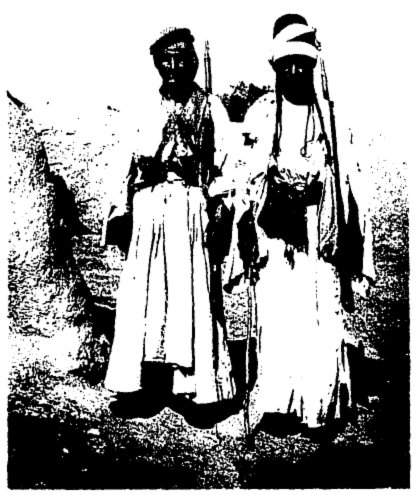
An older, very precise list of the tribes of Şengal with factions, numbers of tents and houses, and chiefs was recorded by Roger Lescot in 1936; it is in the article The tribes of Şengal according to Lescot. The most important differences from Safo’s list:
- Names of the confederations: Safo writes Xorkan and Cuwana, Lescot Xwerka and Cenewîya, Nelida Fuccaro Xurkan and Cewana. According to Lescot, the Xwerka were semi-nomadic herders in the west, the Cenewîya settled farmers in the east; the two groups did not intermarry.
- Cuwana/Cenewîya: Safo names three tribes (Mala Xalta/Masqura, Mirkan, Hebabat). Lescot counts five: Mûsqora, Mala Xalitî, Mîhîrkan, Bekiran and Hebbabat; Fuccaro three (Habbabat, Mihirkan, Musqora).
- Feqîra: Safo counts them among the Xorkan; Lescot and Fuccaro place the Feqîran as a separate group alongside both confederations.
- Numbers: The family numbers according to Xudêdê Pîsî (1991) are far above Lescot’s numbers of houses and tents from 1936. Fuccaro gives about 17,500 Ezidis in Şengal for 1932.
On the customary law of the tribes see Law and custom in Şengal.
Sources
- Karam Ankosi: Племена езидов на Южном Кавказе и в Германии (The tribes of the Ezidis in the South Caucasus and in Germany). Tbilisi 2004, p. 16, 83–86, 104–107
- Roger Lescot: Enquête sur les Yezidis de Syrie et du Djebel Sindjār (Study of the Ezidis of Syria and of the Şengal mountains). Beirut 1938, p. 137–138, 251–261
- Nelida Fuccaro: The Other Kurds. Yazidis in Colonial Iraq. London 1999, p. 58–63
Found a mistake?
Is something wrong – a fact, a spelling, a source, an image? Let us know: we check every report and correct the article.
Other spellings: Stämme von Sengal · Stämme von Schengal · Stämme von Shengal · Stämm von Sengal · Stämm von Schengal · Stämm von Shengal · Stämm von Şengal · Chorkan · Khorkan · Dschuwana · Juwana · Qewal Sileman Safo · Xudede Pisi · Chudede Pisi · Khudede Pisi · Xuded Pisi · Sinjar · Sindschar · Shingal · Shengal